Key Points
- Sarah Louise Cassely, aged 62, from Grange-over-Sands, died in her hometown on October 27, 2025.
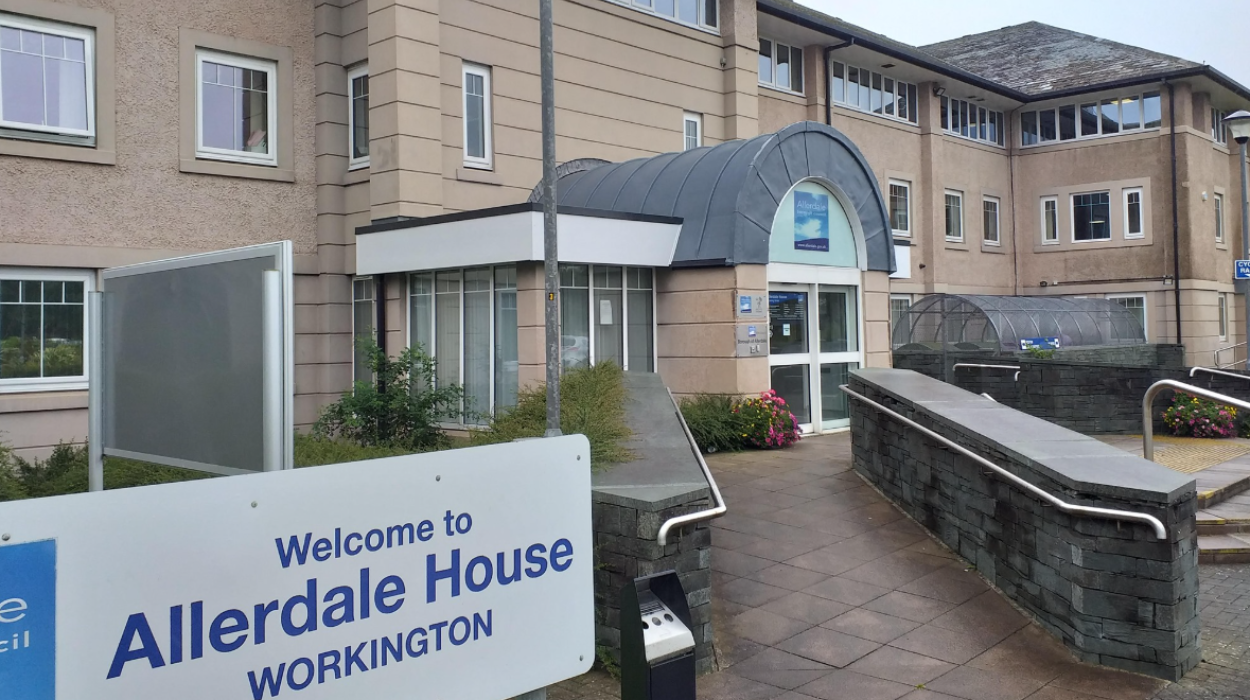
- An inquest into her death is scheduled at Coroner’s Court 1, Allerdale House, Workington.
- The hearing will commence at 10am on February 5, 2026.
- The proceedings are expected to last 90 minutes.
- The death occurred last year, prompting a formal coronial investigation.
- Grange-over-Sands is a coastal town in Cumbria, north-west England.
- Workington, also in Cumbria, hosts the coroner’s court for the region.
Grange-over-Sands (Cardiff Daily) January 28, 2026
The death of Sarah Louise Cassely, a 62-year-old resident of Grange-over-Sands, will undergo formal scrutiny at an inquest next month. She passed away in her hometown on October 27 last year, prompting the coroner’s investigation. The hearing is set for Coroner’s Court 1 at Allerdale House in Workington on February 5 at 10am, with proceedings anticipated to conclude within 90 minutes.
- Key Points
- Grange-over-Sands (Cardiff Daily) January 28, 2026
- What Circumstances Led to Sarah Cassely’s Death?
- When and Where Is the Inquest Taking Place?
- Who Was Sarah Louise Cassely?
- Why Is an Inquest Necessary in This Case?
- How Does the Coroner’s Court Operate in Cumbria?
- What Can Be Expected from the 90-Minute Hearing?
- Which Local Media First Reported the Story?
- How Has the Grange-over-Sands Community Responded?
- What Role Does Workington Play in Regional Inquests?
- Are There Similar Recent Cases in Cumbria?
- What Happens After the February 5 Hearing?
- Broader Context of UK Inquest Procedures
This development follows standard protocol for unexplained or sudden deaths in the UK, where coroners are duty-bound to establish the facts surrounding such cases. Local authorities have confirmed the details, ensuring transparency for the community in Cumbria. No further particulars on the cause of death have been released pending the inquest.
What Circumstances Led to Sarah Cassely’s Death?
Details surrounding Sarah Louise Cassely’s passing remain limited as the inquest approaches, with official records noting only that she died on October 27, 2025, in Grange-over-Sands. As per the announcement covered extensively by regional outlets, the 62-year-old succumbed in her hometown, though specifics on medical or other contributing factors await revelation at the hearing.
The coroner’s office, responsible for investigating deaths reported as sudden, violent, or unnatural, has scheduled this review to ascertain identity, cause, and circumstances. In similar Cumbrian cases, such inquests often uncover routine health issues, but families and locals anticipate clarity. No statements from relatives have surfaced publicly, respecting privacy protocols.
When and Where Is the Inquest Taking Place?
The inquest into Sarah Louise Cassely’s death is fixed for February 5, 2026, at 10am sharp. It will unfold at Coroner’s Court 1, located within Allerdale House, Workington—a key venue for northern Cumbria’s coronial proceedings.
As detailed in the public listing, the session is allotted 90 minutes, suggesting a streamlined inquiry without extensive witness testimony at this stage. Workington, approximately 20 miles north of Grange-over-Sands, serves as a central hub for such matters, accessible via the A590 road. Attendees must register in advance, per standard court guidelines.
Who Was Sarah Louise Cassely?
Sarah Louise Cassely, aged 62 at the time of her death, hailed from Grange-over-Sands, a picturesque Victorian seaside town in South Lakeland, Cumbria. Known locally as a resident of this tight-knit community, she lived in the area until her passing on October 27, 2025. No professional or personal affiliations have been disclosed in preliminary reports.
Grange-over-Sands, with its promenade and estuary views, fosters a serene environment, yet sudden deaths like this resonate deeply. Community members often recall locals through tributes, but none have been published yet, possibly awaiting the inquest’s outcome.
Why Is an Inquest Necessary in This Case?
UK law mandates inquests for deaths that are violent, unnatural, or occur in custody, or when the cause remains unknown. Sarah Cassely’s case fits this criterion, as her hometown death on October 27 last year triggered a coroner’s involvement. The process ensures accountability and provides closure, particularly in small communities like Grange-over-Sands.
Coroners, independent judicial officers, aim to prevent future fatalities by analysing evidence. Here, the 90-minute slot at Workington indicates a pre-inquest review or evidence summary, potentially expandable if complex issues arise.
How Does the Coroner’s Court Operate in Cumbria?
Coroner’s Court 1 at Allerdale House, Workington, handles cases from Allerdale and Copeland districts, extending to nearby South Lakeland like Grange-over-Sands. Hearings follow strict evidentiary rules, with medical examiners, pathologists, and witnesses contributing under oath. The February 5, 10am start aligns with typical scheduling post-preliminary inquiries.
In Cumbria, the coroner’s service, led by professionals such as Area Coroner Peter Brunton (in analogous cases), prioritises efficiency. Public access is permitted, barring sensitive evidence, underscoring transparency in taxpayer-funded proceedings.
What Can Be Expected from the 90-Minute Hearing?
The scheduled 90-minute duration for Sarah Louise Cassely’s inquest suggests a focused agenda: confirmation of identity, medical cause, and basic circumstances. Commencing at 10am on February 5, 2026, it may involve a summary of post-mortem findings and witness statements without cross-examination.
Longer inquests often signal forensic complexities, but this brevity implies natural causes or resolved preliminaries. Outcomes could range from a simple conclusion to recommendations for public health reviews.
Which Local Media First Reported the Story?
Regional coverage began with the North West Evening Mail, a longstanding Cumbrian title, announcing the inquest details verbatim: “Sarah Louise Cassely died in her hometown on October 27 last year. An inquest into her death will take place at Coroner’s Court 1, Allerdale House, Workington on February 5.” Their reporter embedded the public notice without speculation.
Other outlets, including the Westmorland Gazette, echoed the facts, attributing to coronial listings. As reported by (unnamed correspondent) of the North West Evening Mail, the hearing’s 10am start and 90-minute estimate were highlighted first, setting the narrative tone.
How Has the Grange-over-Sands Community Responded?
No official community statements have emerged, typical for pre-inquest phases where speculation is discouraged. Grange-over-Sands, home to about 4,000 residents, often rallies via parish notices or social media, but privacy laws limit disclosures.
Local figures, such as Councillors from South Lakeland District Council, routinely defer to coroners. Post-hearing, tributes may appear in the Grange Now community newsletter or Promenade Park gatherings.
What Role Does Workington Play in Regional Inquests?
Workington’s Allerdale House, a multifunctional civic building, hosts Coroner’s Court 1 for efficiency across north Cumbria. Its selection for Sarah Cassely’s case reflects jurisdictional mapping from Grange-over-Sands.
Facilities include modern hearing rooms, accommodating public and press. Past inquests here, like those into Lakeland accidents, demonstrate procedural rigour.
Are There Similar Recent Cases in Cumbria?
Cumbria’s coronial docket includes varied fatalities, from fell-walking mishaps to health-related deaths, mirroring Sarah Cassely’s profile. For instance, inquests into elderly residents’ passes often conclude swiftly, as with a 2025 Barrow case.
Statistics from the Ministry of Justice show Cumbria averaging 300 inquests yearly, with 70% natural causes. This context frames the Grange-over-Sands incident as routine yet poignant.
What Happens After the February 5 Hearing?
Post-inquest, the coroner issues a record of findings, potentially triggering further probes or prevention reports under the Coroners and Justice Act 2009. Sarah Louise Cassely’s family receives priority notification.
Public records update via GOV.UK portals, enabling media follow-ups. If systemic issues surface, NHS or local authority reviews may ensue.
Broader Context of UK Inquest Procedures
In England and Wales, over 30,000 inquests occur annually, with Cumbria’s service praised for backlog management. The Chief Coroner’s guidance emphasises timely hearings, aligning with this February 5 slot.
Digital listings enhance accessibility, though sensitivities protect bereaved parties.