Key Points
- A Green Paper titled Shaping the Future of Water Governance in Wales was published by the Welsh government on 3 February 2026, outlining “once-in-a-generation” proposals for fundamental reform of the water system.
- The document responds directly to the findings of the Independent Water Commission, published in July 2025, marking the most wide-ranging review of the sector since privatisation.
- Key aims include delivering cleaner rivers, stronger regulation, and better accountability in water management.
- Proposals feature plans for a new, dedicated Welsh economic regulator for water, supported by legislation and a modern framework to encourage investment, protect the environment, and improve services.
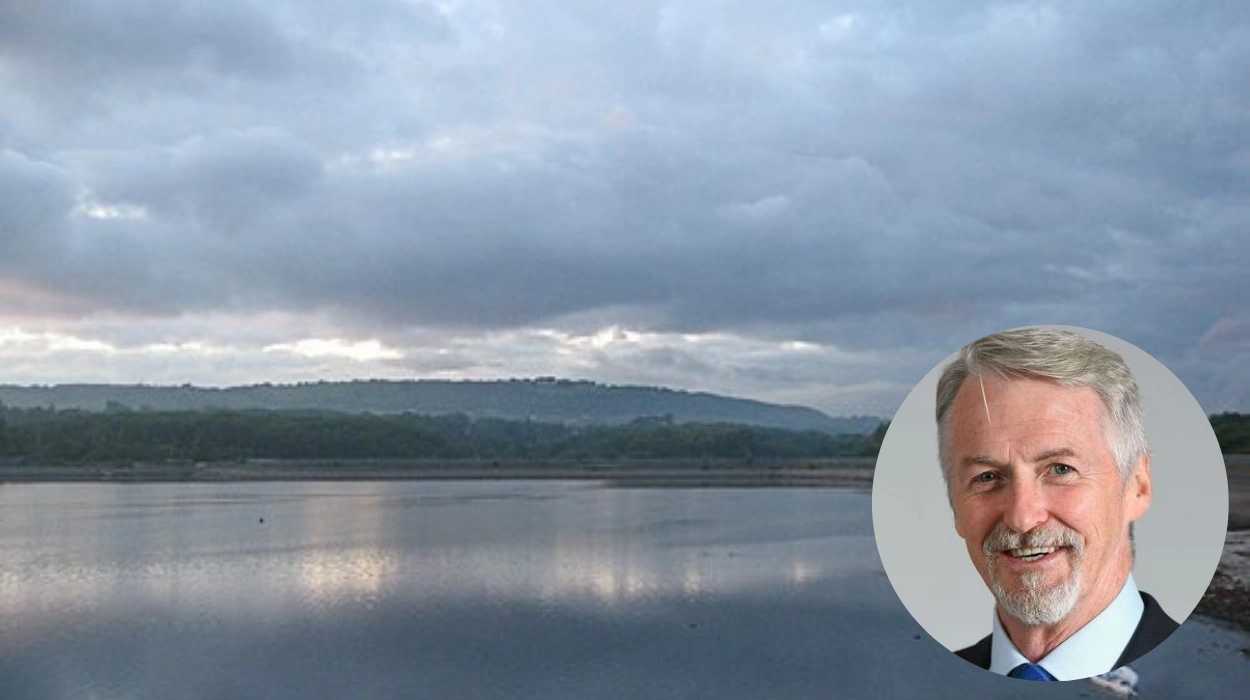
- Deputy First Minister Ifor Huw Irranca-Davies spoke at Lisvane and Llanishen reservoirs, stating: “Our ambition is clear and bold: clean and thriving rivers, safe and high-quality drinking water, fair and affordable services.”
- Irranca-Davies highlighted pressures from climate change, ageing infrastructure, and public concern as reasons for a “fundamental reset” in water governance.
- Since 2022, over £56 million has been invested in water quality, with a further £5 million confirmed for 2026-27.
- Future Generations Commissioner for Wales Derek Walker described the plans as an overdue opportunity to “fix the problems of the past” and ensure healthy waters become a priority for both Westminster and Welsh governments.
Llanishen Reservoirs (Cardiff Daily) February 04, 2026 – The Welsh government has unveiled a transformative Green Paper, Shaping the Future of Water Governance in Wales, proposing sweeping reforms to the water sector in response to the Independent Water Commission’s July 2025 findings. This “once-in-a-generation” initiative seeks cleaner rivers, robust regulation, and enhanced accountability through a new dedicated Welsh economic regulator backed by legislation. Deputy First Minister Ifor Huw Irranca-Davies announced the plans amid growing public concern over water quality.
- Key Points
- What Triggered Wales’ Water Governance Overhaul?
- Who Is Leading the Water Reform Push?
- What Does the Green Paper Propose Exactly?
- Why Now for Welsh Water Reforms?
- How Will the New Regulator Function?
- What Role Do Lisvane and Llanishen Reservoirs Play?
- What Challenges Does Privatisation Pose?
- How Does Derek Walker View the Proposals?
- What Broader Context Surrounds the Announcement?
- What Next Steps Follow the Green Paper?
What Triggered Wales’ Water Governance Overhaul?
The Green Paper directly addresses the Independent Water Commission’s comprehensive review, the first since privatisation, as reported in the Morning Star article “Wales charts new course for water governance” published on 3 February 2026. This review, conducted in 2025, exposed longstanding issues in the sector, prompting calls for urgent reform. Deputy First Minister Ifor Huw Irranca-Davies emphasised at Lisvane and Llanishen reservoirs that climate pressures, ageing infrastructure, and public dissatisfaction necessitate a “fundamental reset.”
Irranca-Davies outlined the Welsh government’s bold ambition: “Our ambition is clear and bold: clean and thriving rivers, safe and high-quality drinking water, fair and affordable services.” Since 2022, investments exceeding £56 million have targeted water quality improvements, with an additional £5 million allocated for 2026-27, demonstrating committed action.
Who Is Leading the Water Reform Push?
Deputy First Minister Ifor Huw Irranca-Davies spearheaded the launch, speaking directly at the iconic Lisvane and Llanishen reservoirs, reservoirs central to Cardiff’s water supply. As reported by the Morning Star on 3 February 2026, he positioned the Green Paper as a response to systemic failures identified post-privatisation. Future Generations Commissioner for Wales Derek Walker endorsed the move, stating it provides an overdue chance to “fix the problems of the past” and prioritise healthy waters across UK governments.
Walker’s comments underscore cross-government implications, urging both Westminster and the Senedd to align on environmental protections. The proposals enshrine a new economic regulator tailored for Wales, distinct from existing UK frameworks.
What Does the Green Paper Propose Exactly?
The Shaping the Future of Water Governance in Wales document details a modern regulatory framework to spur investment while safeguarding the environment and services. Core elements include legislation for a dedicated Welsh water regulator, aimed at stronger oversight than current models. Morning Star’s coverage on 3 February 2026 highlights how these measures target cleaner rivers and accountability lapses since privatisation.
Investments form a backbone: £56 million+ since 2022, plus £5 million for next year, focus on quality upgrades. Irranca-Davies stressed fair, affordable services amid infrastructure decay.
Why Now for Welsh Water Reforms?
Public concern over polluted rivers and climate vulnerabilities has intensified, as noted in the Morning Star report. The Independent Water Commission’s July 2025 findings catalysed action, revealing privatisation-era shortcomings. Irranca-Davies declared: “it is time for a fundamental reset,” linking reforms to existential threats like ageing pipes and extreme weather.
Derek Walker reinforced this urgency, calling for bipartisan priority on water health. The Green Paper positions Wales as a pioneer in public-interest governance.
How Will the New Regulator Function?
Plans enshrine a Welsh-specific economic regulator via legislation, fostering investment without compromising ecology or service standards. this body promises “stronger regulation and better accountability.” It diverges from England’s privatised model, emphasising Welsh needs like rural supply resilience.
The framework incentivises upgrades, directly tackling the £56 million investment context.
What Role Do Lisvane and Llanishen Reservoirs Play?
The launch site, Lisvane and Llanishen reservoirs, symbolises stakes: these Cardiff landmarks supply vital drinking water. Irranca-Davies chose them to underscore “safe and high-quality drinking water” goals. Morning Star reported the venue amplifying reform messaging.
Water Quality Investments
Since 2022, Welsh government spending tops £56 million on enhancements, with £5 million more for 2026-27. These funds address pollution and infrastructure, per the Green Paper.
What Challenges Does Privatisation Pose?
Though not detailed in the core Morning Star piece, the review’s post-privatisation lens implies critiques of profit-driven models. Reforms seek public-aligned accountability, contrasting England’s issues.
How Does Derek Walker View the Proposals?
Future Generations Commissioner Derek Walker hailed the Green Paper as a fix for historical woes. He stated it ensures “securing healthy waters becomes a priority for both the Westminster and Welsh governments,” as quoted in Morning Star on 3 February 2026. Walker’s role mandates long-term sustainability.
What Broader Context Surrounds the Announcement?
The February 04,2026 Morning Star edition framed this amid UK news: Mandelson’s resignation, NHS privatisation debates, firefighter probes, Cuban solidarity, by-election news, and Waspi campaigns. Yet, Wales’ water story stands alone on governance reset.
Irranca-Davies’ vision integrates climate adaptation, vital for flood-prone Wales.
What Next Steps Follow the Green Paper?
Consultation on the proposals will shape legislation, building on commission insights. Investments continue, targeting thriving ecosystems.
This reform saga, rooted in evidence, charts Wales toward sustainable waters.