- New flats in Cardiff Bay, specifically Scott Harbour, are the first residential buildings connected to a £15.5m steam-powered heat network.
- The network captures waste heat from steam produced as a by-product at Viridor’s Trident Park Energy Recovery Facility, which powers electricity-generating turbines.
- Heat and hot water are transported via highly insulated pipes to buildings across Cardiff Bay.
- Scott Harbour, converted from an office block into 78 council-owned social housing apartments, eliminates gas boilers upon connection, achieving an 80% cut in carbon emissions.
- Cardiff Council’s cabinet member for climate change, Dan De’Ath, highlighted the project’s simplicity in capturing wasted heat instead of burning fossil fuels.
- The four-year construction is expected to save 10,000 tonnes of CO2 annually.
- Cardiff and Vale College was the first building connected overall.
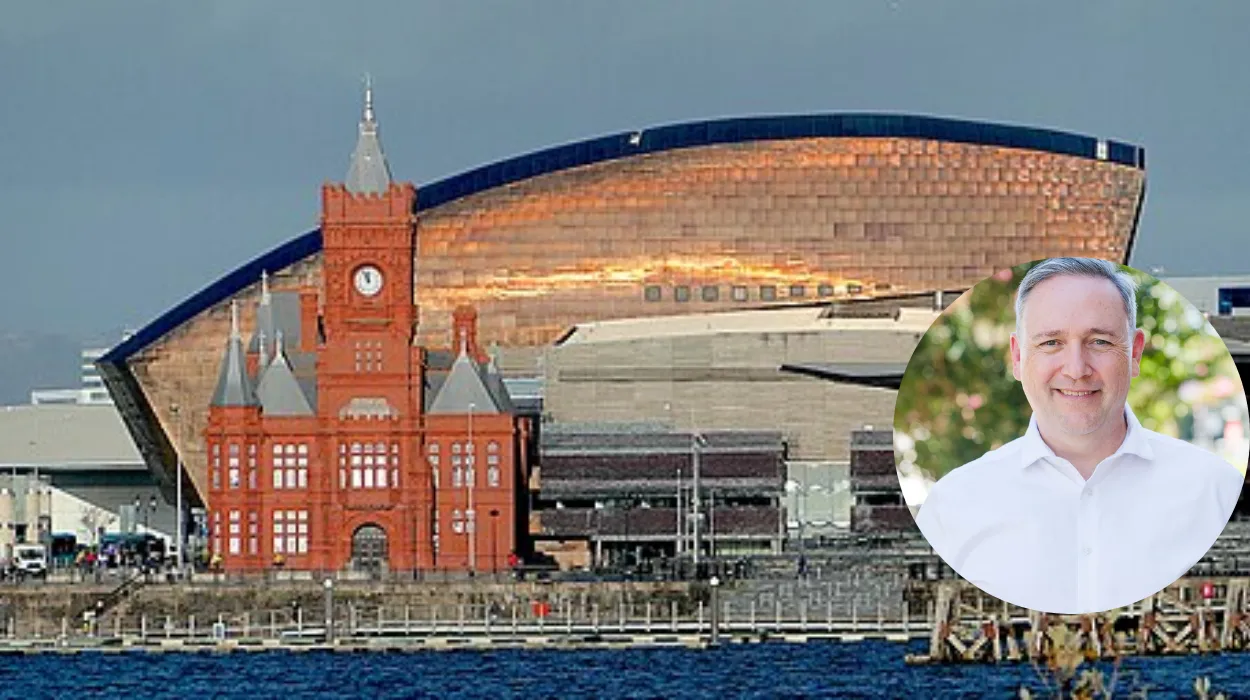
- Upcoming connections include Wales Millennium Centre, Butetown Hub, Nelson House, Tresillian House, Ty Hywel, and the Senedd.
- The network is “heat source neutral,” allowing future integration of alternatives like groundwater or deep geothermal heat beneath Cardiff’s streets.
Cardiff Bay (Cardiff Daily) February 04, 2026- New flats at Scott Harbour in Cardiff Bay have become the first residential buildings in the city to connect to a groundbreaking £15.5m steam-powered heat network, marking a significant step towards sustainable heating. This innovative system captures waste heat from Viridor’s nearby Trident Park Energy Recovery Facility and pipes it directly to provide heat and hot water, replacing traditional gas boilers with a greener alternative. The connection is projected to slash carbon emissions by 80% for these 78 council-owned social housing units, originally converted from an office block.
- What is the £15.5m steam-powered heat network?
- Which buildings are first connected to the network?
- What benefits does the connection offer Scott Harbour?
- When did construction begin and what is the timeline for expansion?
- How does the network capture and transport heat?
- Why is the network described as “heat source neutral”?
- What role does Viridor’s Trident Park play?
- How does this fit Cardiff’s green ambitions?
- What challenges were overcome in delivery?
The network, four years in the making, represents Cardiff’s push for net-zero ambitions by repurposing energy that would otherwise be lost. As reported in coverage from Cardiff Council sources, Scott Harbour’s integration eliminates the immediate need for fossil fuel-based heating, with broader environmental benefits expected across the bay area. Cardiff and Vale College recently pioneered the connection as the very first building on the system.
What is the £15.5m steam-powered heat network?
The heat network leverages steam generated as a by-product during electricity production at Viridor’s Trident Park Energy Recovery Facility. This steam, which powers turbines, produces excess heat that the system captures efficiently. Highly insulated pipes then transport this thermal energy across Cardiff Bay to connected buildings, ensuring minimal loss during transit.
According to details from Cardiff Council announcements, the infrastructure cost £15.5m and is designed for scalability. It provides a sustainable source of both heat and hot water, directly addressing urban heating challenges in a densely populated area like Cardiff Bay.
Which buildings are first connected to the network?
Scott Harbour flats stand as the inaugural residential connection, comprising 78 apartments now supplied with steam-powered heat and hot water. Prior to this, Cardiff and Vale College became the first building overall to receive heat from the system, demonstrating the network’s viability for educational facilities.
Cardiff Council imagery and statements confirm Scott Harbour’s role, noting its conversion from offices to social housing made it an ideal test case for residential application.
What benefits does the connection offer Scott Harbour?
Cardiff Council’s cabinet member for climate change, Dan De’Ath, stated: “The moment a building connects, it eliminates the need for gas boilers and delivers an 80% cut in carbon emissions.” He further explained: “It’s a complicated project to deliver, but an incredibly simple idea at heart – capturing heat that already exists but is currently wasted and transporting it to where it can be used instead of burning fossil fuels.”
This shift not only reduces emissions for the 78 households but aligns with broader council goals for affordable, low-carbon social housing. The annual CO2 savings from the full network are estimated at 10,000 tonnes, amplifying the impact as more sites join.
When did construction begin and what is the timeline for expansion?
Development of the heat network spanned four years, culminating in these initial connections in early 2026. Over the coming weeks, further buildings in Cardiff Bay – including the Wales Millennium Centre, Butetown Hub, Nelson House, Tresillian House, Ty Hywel, and the Senedd – will link up to the system.
Cardiff Council projections indicate phased rollouts to maximise reliability before wider deployment. The timeline underscores a deliberate approach to integrating such advanced infrastructure into live urban environments.
How does the network capture and transport heat?
Waste steam from Viridor’s facility – generated while powering electricity turbines – is harnessed at source. This heat travels through a bespoke network of highly insulated pipes, preventing dissipation over distances across Cardiff Bay. The design ensures buildings like Scott Harbour receive consistent, high-quality thermal energy for heating and hot water needs.
Engineering reports from council sources emphasise the pipes’ insulation as key to efficiency, making long-distance delivery feasible without significant energy loss.
Why is the network described as “heat source neutral”?
Although initially powered by Viridor’s Energy Recovery Facility, the system is built to be “heat source neutral.” This flexibility allows future connections to alternative sources, such as groundwater heat pumps or deep geothermal resources located beneath Cardiff’s streets.
Council planning documents highlight this adaptability as crucial for long-term decarbonisation, enabling evolution without full infrastructure overhauls. It positions Cardiff Bay as a model for resilient, future-proof urban heating.
What role does Viridor’s Trident Park play?
Viridor’s Trident Park Energy Recovery Facility serves as the primary heat source, producing steam as a by-product of its electricity-generating turbines. This symbiotic arrangement turns potential waste into a valuable resource, piped directly to bay-area buildings.
No direct statements from Viridor were detailed in council releases, but the facility’s integration is credited as foundational to the project’s success and cost-effectiveness.
How does this fit Cardiff’s green ambitions?
The initiative supports Cardiff Council’s climate emergency response, targeting substantial emissions reductions in a high-density waterfront zone. By prioritising existing waste heat over new fossil fuel infrastructure, it exemplifies circular energy principles.
Dan De’Ath’s comments, as cited by Cardiff Council, frame it as a scalable blueprint: simple in concept, transformative in execution. With 10,000 tonnes of annual CO2 savings projected network-wide, it bolsters the city’s pathway to net zero.
What challenges were overcome in delivery?
Delivering the project took four years, navigating complexities of urban integration, pipe installation, and regulatory approvals. Despite hurdles, the core idea – repurposing waste heat – proved viable, as evidenced by operational connections at Scott Harbour and Cardiff and Vale College.
Council members acknowledged the engineering feats required, crediting collaboration between local authority, Viridor, and contractors for on-time rollout.
This development positions Cardiff Bay at the forefront of UK district heating innovation, with Scott Harbour’s residents among the first to benefit from cleaner, cheaper heat. As connections proliferate, the network promises enduring environmental and economic gains.