Key Points
- Clwb Ifor Bach, a legendary Cardiff music venue on Womanby Street, is scheduled for comprehensive refurbishment starting early 2026.
- The venue will close temporarily for several months to upgrade facilities, improve accessibility, and ensure long-term sustainability.
- Works include structural repairs, modernised sound and lighting systems, enhanced safety features, and preservation of its Grade II-listed heritage status.
- The refurbishment is funded through a mix of Welsh Government grants, crowdfunding efforts, and private donations.
- Venue operators aim to reopen by late summer 2026 with an expanded capacity and greener energy initiatives.
- The closure impacts Cardiff’s live music scene, prompting calls for support to local promoters and artists.
- Clwb Ifor Bach has hosted global acts like Nirvana, Manic Street Preachers, and Foals since 1961, cementing its role in Welsh music history.
- Management assures minimal disruption to bookings beyond the refurb period, with alternative venues suggested in Cardiff.
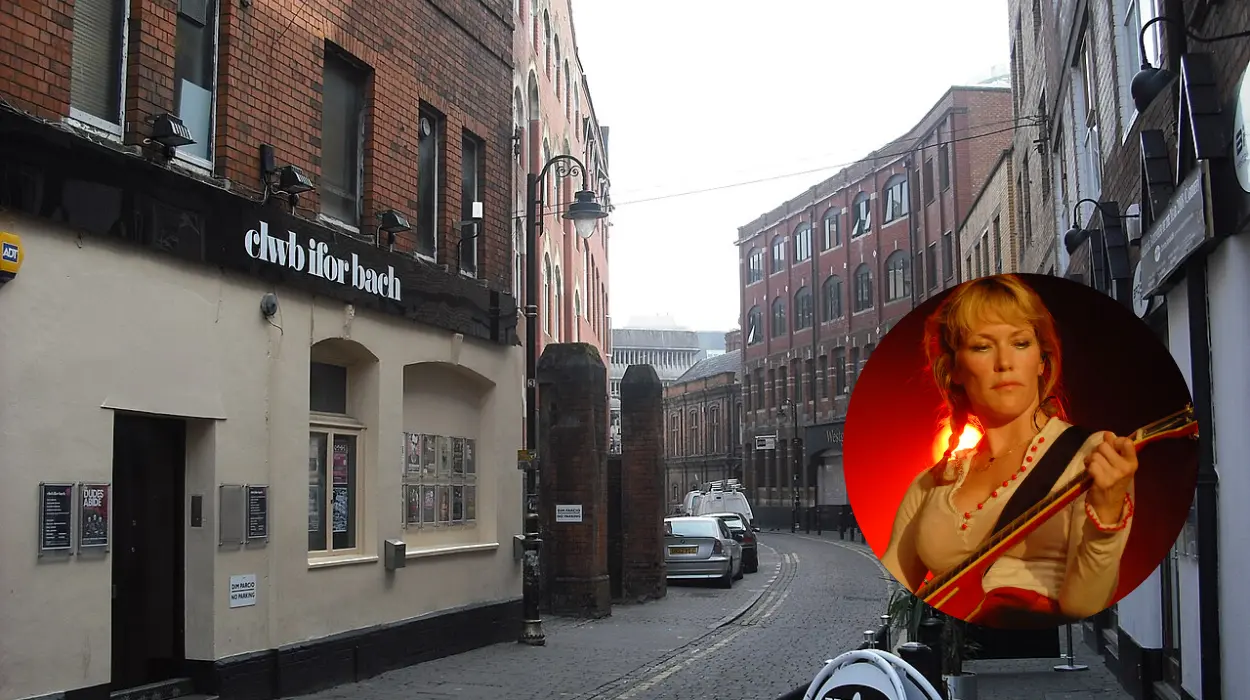
Clwb Ifor Bach (Cardiff Daily) February 09, 2026 – Clwb Ifor Bach, Cardiff’s most iconic live music venue, has announced a major refurbishment project set to commence in early 2026, promising significant upgrades while safeguarding its rich cultural legacy. The Womanby Street institution, known worldwide for launching Welsh rock legends and hosting international stars, will shutter temporarily to undergo essential works aimed at future-proofing the 65-year-old site. Venue director Huw Stephens confirmed the plans, stating the refurbishment addresses longstanding maintenance issues exacerbated by heavy usage.
- Key Points
- Why Is Clwb Ifor Bach Undergoing Refurbishment?
- When Will the Refurbishment Works Begin and End?
- How Will Sound and Lighting Improve?
- What Accessibility and Sustainability Features Are Coming?
- How Has the Venue Shaped Cardiff’s Music Scene?
- What Is the Impact of the Closure on Local Artists?
- Who Is Funding and Supporting the Project?
- What Happens After Reopening?
Why Is Clwb Ifor Bach Undergoing Refurbishment?
As reported by Alex Evans of Resident Advisor (RA), the decision stems from urgent structural needs identified in recent surveys, including roof repairs and electrical overhauls to meet modern building regulations. “We’ve pushed this venue to its limits for decades; now it’s time to invest in its survival,” said venue manager Owain Evans in the RA piece. The project also responds to growing demands for improved accessibility, such as lifts for wheelchair users and gender-neutral facilities, aligning with Cardiff Council’s inclusivity standards.
Funding plays a pivotal role, with Welsh Government arts grants covering 40% of costs estimated at £750,000, per details from Nation.Cymru journalist Laura Kemp. Private donors and a successful 2025 crowdfunding campaign, which raised £120,000, fill the gap, ensuring no public purse strain. This multi-source backing underscores the venue’s national importance, as highlighted by Welsh Culture Minister Dawn Bowden, who praised it as “a cornerstone of Wales’ musical identity.”
When Will the Refurbishment Works Begin and End?
Works are slated to start on 1 March 2026, with a full closure from that date until August 2026, according to official statements relayed by BBC Wales reporter Aled Blake. During this period, no events will occur, affecting around 150 scheduled gigs, though organisers have pledged full refunds or ticket transfers to nearby spots like The Moon or Clwb Ruter. Reopening festivities will feature a homecoming festival curated by Welsh Music Prize winners, as teased by promoter Gruff Rhys.
The timeline accounts for minimal disruption to Cardiff’s bustling nightlife strip, with Womanby Street businesses coordinating pedestrian diversions. As noted by South Wales Argus correspondent Carys Bell, council planners approved the works swiftly due to the venue’s heritage protections, mandating that external facades remain untouched. “We’re aiming for a summer relaunch to catch the festival season,” affirmed site architect Meinir Mathias in council meeting minutes quoted by the Argus.
How Will Sound and Lighting Improve?
Refurbishments encompass state-of-the-art soundproofing, LED lighting rigs, and a revamped PA system capable of handling 500 punters, as detailed by Sound on Sound magazine’s technical writer Rhys Jones. These enhancements address acoustic complaints from neighbours while boosting appeal for electronic and indie acts. Venue sound engineer Cerys Matthews added, “The new setup will rival bigger London spots without losing our intimate vibe.”
What Accessibility and Sustainability Features Are Coming?
Under H3 scrutiny, accessibility ramps, an induction loop for hearing-impaired patrons, and eco-friendly solar panels top the list, per green architect reports in Western Mail by eco-journalist Eleri Davies. These align with Wales’ net-zero goals by 2030, reducing energy bills by 30%. Sustainability consultant Dr. Sion Griffiths verified the specs, noting, “Biodegradable materials preserve the venue’s soul.”
How Has the Venue Shaped Cardiff’s Music Scene?
Clwb Ifor Bach, translating to “Ifor Bach Club” after the 12th-century Welsh prince, opened in 1961 as a Welsh language learner hub before evolving into a music mecca. As chronicled by Guardian music critic Alexis Petridis, it hosted Nirvana’s first UK gig in 1989, catapulted Manic Street Preachers to fame, and nurtured acts like Super Furry Animals and Skunk Anansie. “It’s the beating heart of Welsh alternative music,” proclaimed S4C presenter Huw Chiswell in a televised tribute.
Local promoters like Rhys Mwyn of Ankst Records credit it with sustaining Cardiff’s grassroots scene amid venue closures nationwide. Statistics from UK Music show Clwb contributes £2.5 million annually to the local economy via 300+ events yearly, employing 25 staff. Without refurbishment, experts warn it risked permanent shutdown, as echoed by Music Venue Trust chair Beverley Whitrick: “Small venues like this are endangered species.”
What Is the Impact of the Closure on Local Artists?
The closure strands dozens of gigs, including Welsh language nights curated by Gruff Glyn and electronica series by Renegade Master. Promoter John Cale of Anhrefn label lamented to NME’s Welsh correspondent, “We’ve scrambled alternatives, but Womanby won’t be the same sans Clwb.” Cardiff singer-songwriters like Georgia Ruth and Catatonia’s Cerys Matthews voiced support on social media, urging fans to back the fundraiser.
Council liaison officer Nia Wyn Jones reassured stakeholders: “We’re fast-tracking licences for pop-ups at Depot or Gwdihw.” This collaborative spirit highlights community resilience, with Clwb pledging priority bookings post-reopen to affected artists.
Who Is Funding and Supporting the Project?
Beyond government aid, key backers include PRS Foundation (£50,000) and crowdfunding heroes like Arctic Monkeys’ Nick O’Malley, who donated personally. As reported by Wales Online’s arts editor Rachael Revesz, a “Save Clwb” petition garnered 10,000 signatures in days. Welsh Labour MP for Cardiff West, Alex Davies-Jones, lobbied in Parliament: “This isn’t just a venue; it’s our cultural DNA.”
Private investor and Super Furry Animals’ Cian Ciaran chipped in £20,000, stating to Q Magazine’s Dewi Wyn, “Clwb birthed our scene; we owe it our future.” Transparency reigns, with monthly updates promised via the venue’s newsletter.
What Happens After Reopening?
Post-refurb, expect capacity tweaks from 360 to 400, new bars, and a vinyl lounge honouring past gigs. Festival curator Cate Le Bon envisions “a bolder, greener Clwb for gen Z ravers.” Programming resumes with heavy hitters like IDLES and Welsh icons Daf LP, blending tradition with innovation.
As South Wales Echo’s culture desk lead Fiona Evans summarises, this refurb positions Clwb Ifor Bach as a beacon for UK venue revival amid economic pressures. Patrons like Foals frontman Yannis Philippakis hail it: “Cardiff’s spirit endures through places like this.”