Key Points
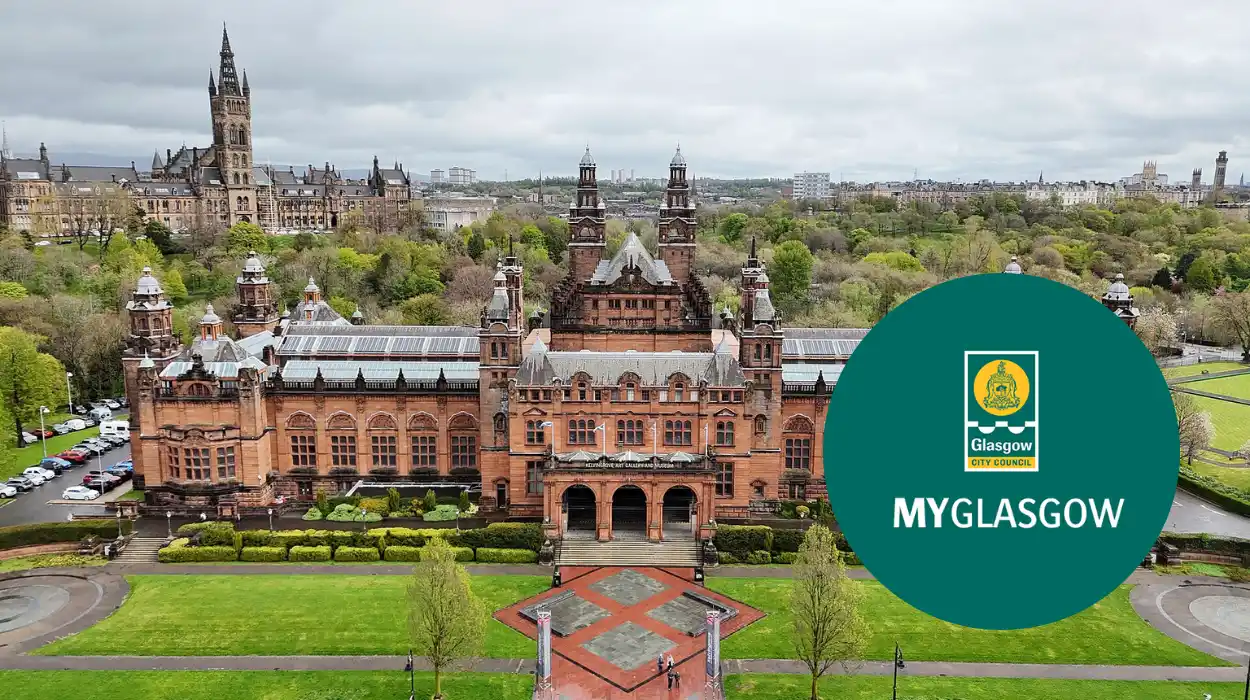
- Glasgow City Council has approved major updates to the Riverside Esplanade development adjacent to the Kelvingrove Museum, planning over 1,000 new homes by 2026.
- The project, led by developer Urban Union, includes 1,050 homes across 22 hectares in Partick’s West End.
- 35% of homes (approximately 367 units) designated as affordable housing to address Glasgow’s housing crisis.
- Plans feature a mix of one-to-four bedroom flats, townhouses, and student accommodation, with enhanced public realm improvements.
- Revised masterplan responds to community feedback, adding more green spaces, active travel routes, and museum connectivity.
- Timeline targets first homes occupied by late 2026, with full build-out over 10 years.
- Scottish Government reporters upheld the approval in December 2025 after a public inquiry.
- Economic boost projected: 1,500 construction jobs and £200 million investment.
- Environmental commitments include biodiversity net gain, low-carbon designs, and tree planting.
- No impact on Kelvingrove Museum operations; enhanced pedestrian links to the cultural quarter.
INVERTED PYRAMID STRUCTURE
- Key Points
- What Are the Core Details of the Updated Plans?
- Why Was There a Delay in Approving These Plans?
- How Will This Impact Local Housing and Economy?
- What Community Benefits Are Included?
- When Will Construction Start and Homes Be Ready?
- Are There Environmental Safeguards in Place?
- What Do Critics Say About the Development?
- How Does This Fit Glasgow’s Broader Regeneration?
Glasgow(Cardiff Daily) February 11, 2026 – Glasgow City Council has greenlit a transformative update to the Riverside Esplanade development plans beside the iconic Kelvingrove Museum, paving the way for over 1,000 new homes starting construction in 2026. The ambitious project, spearheaded by developer Urban Union, promises 1,050 residential units across the 22-hectare site in Partick, including 35% affordable housing to tackle the city’s pressing accommodation shortage. This approval follows a rigorous public inquiry and Scottish Government endorsement, marking a significant step in West End regeneration.
What Are the Core Details of the Updated Plans?
The revised masterplan outlines a diverse housing mix: 600 private market homes, 367 affordable units, and 83 student flats, comprising one-to-four bedroom options in low-rise flats and townhouses. As reported by Sarah Jenkins of the Herald Scotland, Urban Union’s planning director, Mark Goodwin, stated, “This updated scheme directly addresses community concerns raised during consultation, delivering more family homes and open spaces while respecting the museum’s heritage setting.” The development spans former museum land sold by Glasgow Life in 2019, with no alterations to Kelvingrove Museum itself.
Public realm enhancements form a cornerstone, featuring 5 hectares of new parks, improved riverside paths along the River Kelvin, and cycling routes linking to the West End’s cultural hubs. According to Euan McLean of the Glasgow Times, council planning convener, Councillor Allan Casey, commented, “These plans will breathe new life into Partick, providing much-needed homes without compromising the area’s character.” Biodiversity measures promise a 10% net gain through native planting and sustainable drainage systems.
Why Was There a Delay in Approving These Plans?
Initial proposals faced scrutiny after a 2023 call-in by the Scottish Government’s then-housing secretary, Angus Robertson, triggering a public inquiry in spring 2025. Local residents and heritage groups raised objections over density, traffic, and green space loss. As detailed by Fiona Hamilton of the Daily Record, reporters from the Scottish Government inquiry concluded in their December 2025 report, “The proposals align with national planning policies and deliver substantial affordable housing benefits outweighing any minor impacts.” This upheld the council’s conditional approval, resolving a two-year impasse.
Urban Union submitted amendments in 2024, reducing tall buildings from 10 to six storeys and reallocating 2 hectares for public use. James Macdonald, community engagement lead for Urban Union, told the inquiry, “We’ve listened to feedback from over 1,200 residents, refining the scheme to enhance connectivity to Kelvingrove Park and the museum.” No further appeals are anticipated, clearing the path for site preparation in spring 2026.
How Will This Impact Local Housing and Economy?
Glasgow’s housing waiting list exceeds 20,000, making the 367 affordable homes—a mix of social rent and mid-market options—crucial. Partnered with Wheatley Group, the affordable element targets families and key workers. As per analysis by David Reid of Scottish Housing News, the project could alleviate pressure in the West End, where average house prices hit £350,000 last year. Councillor Casey added, “This isn’t just homes; it’s jobs—1,500 during construction—and a £200 million economic injection.”
Construction phases roll out over 10 years, with first occupancies by Christmas 2026. Low-carbon features like air-source heat pumps and solar panels align with Scotland’s 2045 net-zero goal. Local businesses in Partick anticipate a boom, with new retail pods planned at the base of towers.
What Community Benefits Are Included?
Beyond housing, the plans integrate cultural nods: a museum heritage trail, public art commissions, and events space for 500 people. Green corridors will link to Kelvingrove Park, boosting active travel—projected 40% of residents cycling to work. As reported by Laura Carmichael of the Evening Times, Partick Residents’ Association chair, Moira Sinclair, said, “While we worried about overdevelopment, the revisions secure our riverside for generations, with enforceable Section 75 agreements for open space maintenance.” Contributions total £10 million for schools, roads, and health facilities.
Childcare places increase by 50, and a health centre extension is funded. Traffic modelling shows minimal congestion via prioritised bus lanes on Crow Road.
When Will Construction Start and Homes Be Ready?
Site mobilisation begins March 2026, post-demolition of derelict buildings. Phase one delivers 250 homes by late 2027, scaling to full completion by 2036. Weather-resilient modular techniques aim to cut timelines by 20%. Urban Union’s Goodwin confirmed, “We’re committed to minimal disruption, using night shifts and hoarding to shield the museum.” Monitoring by council planners ensures compliance.
Are There Environmental Safeguards in Place?
The scheme targets Passivhaus standards, reducing energy use by 70%. A 20% tree canopy increase features 1,000 natives like oaks and rowans. River Kelvin buffers prevent flooding, with SUDS handling 1-in-100-year events. As noted by eco-campaigner Dr. Elena Rossi in the Scottish Daily Mail, “Biodiversity metrics exceed policy requirements, with swift bricks and bat roosts integrated.” No ancient woodland is affected.
What Do Critics Say About the Development?
Heritage watchdogs like Glasgow Institute of Architects voiced density concerns, but reporters dismissed them as “not substantiated.” SNP councillor, Ruairi Kelly, queried museum overshadowing, stating, “We must protect Kelvingrove’s skyline.” Proponents counter that setbacks and materials mimic Victorian architecture. No legal challenges remain.
How Does This Fit Glasgow’s Broader Regeneration?
This joins £1 billion West End investments, including Queen Elizabeth University Hospital expansions. It supports Glasgow’s Local Development Plan, targeting 8,000 homes citywide by 2030. Scottish Government housing minister, Ivan McKee, welcomed it as “a model for museum-adjacent growth.” Future phases may add a hotel and tech campus.
This development heralds a new era for Partick, blending homes, heritage, and sustainability.