Key Points
- Cardiff Crossrail advances to construction phase
- Principal contractor GRAHAM formally approved by Cabinet
- First phase links Cardiff Central to Cardiff Bay
- Final contracts due spring 2026 start
- Construction slated summer 2026 completion 2028
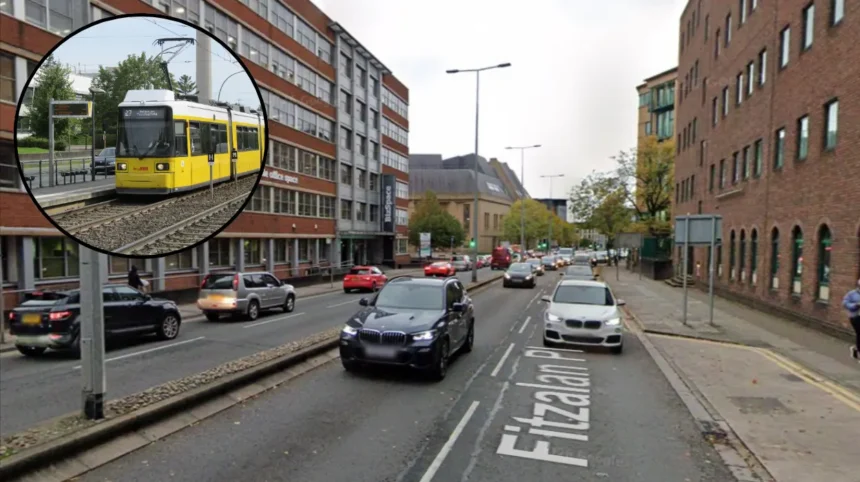
Cardiff (Cardiff Daily) March 19, 2026 – Plans for the Cardiff Crossrail tram‑train network have taken their most decisive step yet, with the city’s Cabinet approving the appointment of GRAHAM as the principal contractor for Phase 1a of the scheme, paving the way for construction to begin in summer 2026. The project, which will create a new rail link between Cardiff Central station and Cardiff Bay for the first time, is backed by £100 million in joint funding from the Welsh Government and the UK Government’s Levelling Up Fund and is scheduled to be completed by summer 2028.
- Key Points
- What is the Cardiff Crossrail project?
- Who is the contractor and why does it matter?
- How will the new Central–Bay link work?
- What are the funding and political commitments?
- How will construction affect the city?
- How does Cardiff Crossrail fit into wider rail plans?
- What are the economic and social expectations?
- How is the project being managed?
- What are the criticisms and challenges?
- What happens next on the timeline?
As reported by Wales247, following Cabinet approval at its meeting on March 19, 2026, delegated authority will be given to proceed with GRAHAM as the principal contractor, subject to agreement on the final cost to deliver the first phase of the scheme. The project team will continue to engage with the public and stakeholders throughout the construction period, with final contracts expected to be completed in the spring 2026 window.
What is the Cardiff Crossrail project?
Cardiff Crossrail is a proposed tram‑train network designed to improve connectivity across the capital by linking key transport hubs, employment centres, leisure areas and residential districts. The network will initially run from the northwest of Cardiff through the city centre to Cardiff Bay, with the first physical phase focusing on a new rail link between Cardiff Central and Cardiff Bay via Callaghan Square.
As explained on the Cardiff Council Crossrail project page, the scheme will integrate with existing rail infrastructure while also delivering improvements to public spaces along the route, including safer crossing points, enhanced cycle and pedestrian links, and upgraded public realm around stations and key junctions. The broader Cardiff Crossrail corridor is intended to support future phases that could extend services further into the Vale of Glamorgan and the Rhondda valleys, creating a backbone for expanded rail‑based public transport in the region.
Who is the contractor and why does it matter?
As reported by Wales247, GRAHAM has been named as the principal contractor for Phase 1a of Cardiff Crossrail, covering detailed design and build for the new link between Cardiff Central railway station and Cardiff Bay. The appointment follows earlier confirmation that the Graham Group had been awarded the Detail Design and Build contract for the first phase, after the UK and Welsh Governments committed £50 million each to the project.
According to RailBusinessDaily, the Detailed Design and Build contract awarded to Graham Group in 2024 set the stage for the later approval of the principal contractor role, ensuring continuity of design and safety oversight through the construction phase. The contractor’s responsibilities will include engineering works on track alignment, overhead line equipment, signalling, station‑area improvements and integration with existing South Wales Main Line services.
How will the new Central–Bay link work?
As outlined in the Cardiff Crossrail project documentation, the first phase will create a direct rail link between Cardiff Central and Cardiff Bay, using tram‑train vehicles that can run on both the main rail network and the new urban line. This will allow services to run between Cardiff Bay and Cardiff Central without needing passengers to change to buses or walk, cutting journey times and improving reliability for commuters, visitors and leisure users.
According to Nation.Cymru’s coverage, the Phase 1a route will pass through Callaghan Square, which is a key civic and business node in the city centre, and will require significant street‑level works to accommodate the new tram‑train tracks and platforms. The alignment will also involve close coordination with Network Rail and Transport for Wales to minimise disruption to existing rail services during construction and testing.
What are the funding and political commitments?
As reported by Insider Media, the first phase of Cardiff Crossrail is being backed by £100 million in joint funding, with £50 million each from the UK Government’s Levelling Up Fund and the Welsh Government. This funding package was confirmed after both governments indicated their support for the project in 2024, helping to unlock the Detailed Design and Build contract with Graham Group.
In a statement quoted by Wales247, Ken Skates, Cabinet Secretary for Transport and North Wales, said: “This ambitious project will improve travel around the city making life easier for residents and visitors and we’re pleased to see Cardiff Council moving one step closer to the finished Crossrail.”
The Welsh Government’s support is framed as part of a wider “generational rail transformation” across Wales, which also includes upgrades to the South Wales Relief Lines and Cardiff Central station.
How will construction affect the city?
According to Cardiff Council’s project page, the construction phase will involve prolonged works around Cardiff Central, Callaghan Square and the Cardiff Bay area, with phased road and lane closures, temporary lane diversions and changes to bus routes and pedestrian flows. The authority has stressed that the project team will publish regular traffic and closure notices, run community information sessions and maintain real‑time updates via local media and council channels.
As reported by Wales247, the Cabinet’s March 19 decision means that final contracts will be completed in spring 2026, with construction expected to start in summer 2026 and works completed by summer 2 hypothetical 028. Local businesses and residents have raised concerns about disruption to trade and parking, but council officials have pledged that mitigation measures, including business support packages and enhanced alternative transport options, will be rolled out alongside the works.
As reported by Wales247, Dan Tipper, Transport for Wales’ Chief Infrastructure Officer, said: “We’re continuing to work in partnership with Cardiff Council on the delivery of the first phase of Cardiff Crossrail, connecting Cardiff Central station and Cardiff Bay station directly by rail for the first time.”
He added that the project was expected to be completed by summer 2028, with testing and commissioning phases to be scheduled in the lead‑up to that date.
How does Cardiff Crossrail fit into wider rail plans?
As detailed in Global Railway Review’s coverage of the Welsh rail investment pipeline, the Cardiff Crossrail project sits within a broader £14 billion rail investment programme across Wales, which includes new stations, track upgrades and major station rebuilds. Key elements of that pipeline include seven new stations serving the Cardiff–Newport corridor and two major new hubs Cardiff Parkway in east Cardiff and a station for Deeside Industrial Park in North Wales.
According to the same report, the UK Government has allocated at least £40 million to upgrade the South Wales Relief Lines between Cardiff and the Severn Tunnel Junction, increasing line speeds and creating additional high‑speed capacity for freight and passenger services. Cardiff Central station itself is set to receive £59.8 million in additional UK Government funding, bringing total UK support to £77.8 million, with works scheduled to begin in spring 2026 and the majority completed by 2029.
What are the economic and social expectations?
As reported by Insider Media, proponents of Cardiff Crossrail argue that the first phase will stimulate private investment around the Central–Bay corridor, particularly in mixed‑use developments, office spaces and leisure facilities. The direct rail link is expected to make Cardiff Bay more accessible to commuters and visitors from the wider Cardiff and Vale area, potentially boosting footfall for businesses and cultural venues.
Cardiff Council’s project page notes that the scheme will improve connectivity between residential areas in the north and west of Cardiff and major employment zones such as the Cardiff International Sports Village and the city centre business district. By integrating well‑used leisure and tourism sites including the Principality Stadium, the Cardiff International Sports Campus and the bay waterfront, the project aims to create a more coherent and attractive public transport‑led city experience.
How is the project being managed?
As detailed on the Cardiff Council Crossrail project page, a dedicated project team comprising council officers, Transport for Wales representatives, Network Rail engineers, the Welsh Government’s transport department and the appointed contractor is overseeing the scheme. The team is responsible for managing design approvals, procurement, statutory consents, stakeholder engagement, and construction planning, with regular reporting to the Cabinet and other decision‑making bodies.
According to Wales247, the Cabinet’s approval on March 19, 2026 marks the point at which the project moves from the detailed design and contractor‑selection stage into the formal construction authorisation phase, with delegated powers now in place to proceed subject to final commercial agreements. A Full Business Case for the wider Crossrail corridor is also under development, with officials indicating that future phases could be considered in line with available funding and network‑capacity assessments.
What are the criticisms and challenges?
As reported by local outlets covering the project, some business groups and residents have raised concerns about the length and intensity of construction works, particularly around Callaghan Square and the road network leading into Cardiff Bay. Potential issues include temporary loss of parking spaces, impacts on loading and delivery access, and uncertainty about how traffic patterns will be managed during peak periods.
In addition, critics have questioned the long‑term financial sustainability of the tram‑train service, including ongoing operating costs and whether projected passenger numbers will justify the investment. Officials have responded by pointing to the £100 million upfront funding commitment and the project’s alignment with wider regional transport strategies, which aim to increase rail and active travel mode‑shares over the next decade.
What happens next on the timeline?
According to Wales247, once the final contracts are completed in spring 2026, Graham will begin mobilising construction teams, establishing site compounds, and carrying out preparatory works such as utility diversions and temporary traffic management. Full‑scale construction of tracks, platforms and overhead infrastructure is then expected to ramp up over the summer 2026 period, with phased opening of sections for testing and tuning ahead of the planned summer 2028 completion.
Nation.Cymru notes that the project’s detailed timetables will be published in due course, including information on specific closure dates, diversion routes and alternative public transport options. The authority has also indicated that community liaison officers will be deployed to handle local queries and feedback, ensuring that residents, businesses and visitors can raise concerns or suggestions throughout the construction period.