Key Points
- A young woman screamed at police officers and jostled one, hurling herself at them on the pavement during Super Saturday, Cardiff’s busiest night, amid 150,000 extra visitors.
- The incident occurred outside McDonald’s in the city centre, where a group of late teenage girls watched a man being arrested before the woman suddenly lashed out.
- It remains unclear if the woman knew the arrested man, but she swore, yelled, and appeared intent on being apprehended herself.
- The event marked the beginning of Super Saturday, the last day of the Six Nations rugby tournament in Cardiff, with city centre roads shut and streets thronged with crowds filling bars, pubs, clubs, and eateries.
- Outsiders often label Cardiff a hub of gang culture and knife crime, but the on-the-ground reality observed during the police ride-along reveals a different picture.
Cardiff (Cardiff Daily) March 24, 2026 – Cardiff city centre erupted into chaos outside McDonald’s on Super Saturday, as a young woman screamed at police officers, jostled one, and hurled herself towards them on the pavement, drawing a crowd of late teenage girls watching a man’s arrest. This incident unfolded amid 150,000 extra visitors flooding the streets for the final day of the Six Nations rugby tournament, with roads closed and bars, pubs, clubs, and eateries packed to capacity. As reported by the investigative journalist embedded with South Wales Police, the scene highlighted the intense pressures on officers during the year’s busiest night, yet painted a stark contrast to outsider perceptions of Cardiff as a ‘dangerous’ city riddled with gang culture and knife crime.
- Key Points
- What Happened During the Initial Confrontation Outside McDonald’s?
- Why Is Super Saturday Cardiff’s Busiest Night of the Year?
- How Does Cardiff’s Reality Differ from Outsiders’ Perceptions of Danger?
- What Role Did the Six Nations Play in Escalating Crowds?
- Who Were the Key Players in the McDonald’s Incident?
- Were There Any Signs of Gang Culture or Knife Crime?
- How Did Police Prepare for Super Saturday Challenges?
- What Broader Context Surrounds Cardiff’s Nightlife Reputation?
- Why Does This Incident Challenge the ‘Dangerous City’ Narrative?
What Happened During the Initial Confrontation Outside McDonald’s?
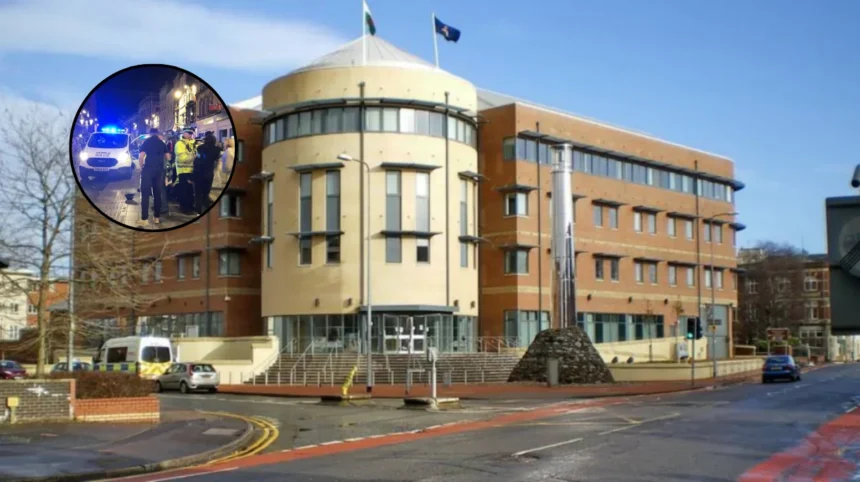
The commotion began in what had been a relatively calm spot outside McDonald’s in Cardiff city centre. A group of late teenage girls stood watching as police arrested a man, the atmosphere busy but controlled. Suddenly, as detailed in the eyewitness account from the police ride-along, a young woman intervened aggressively.
It’s hard to hear what the young woman is saying as she screams at police officers and appears to jostle one as she hurls herself with them to the pavement. The journalist, riding along with officers, noted the rapid escalation: she swears, yells, and lashes out, seemingly intent on being apprehended herself. It’s not clear whether she knows the man being arrested, but her actions suggested a deliberate provocation.
This was just the beginning of the night on Super Saturday, Cardiff’s peak event coinciding with the last day of the Six Nations. City centre roads were shut, thronging crowds filled every venue, and officers were out in force to manage the 150,000 extra people flocking in.
Why Is Super Saturday Cardiff’s Busiest Night of the Year?
Super Saturday in Cardiff represents the pinnacle of the city’s nightlife calendar, amplified by major events like the Six Nations rugby tournament. Roads in the city centre are routinely closed to accommodate the massive influx, with bars, pubs, clubs, and eateries overwhelmed by revellers.
As described in the on-the-ground reporting, 150,000 extra people flock to Cardiff, transforming the streets into a sea of activity. The Six Nations, a premier rugby competition, draws fans from across the UK and beyond, particularly for its final Cardiff leg. This year’s edition, concluding on the reported date, saw heightened security measures as police patrolled proactively.
The journalist emphasised the controlled yet vibrant atmosphere, countering narratives of unchecked danger. Officers managed the scene outside McDonald’s efficiently, detaining the woman without broader escalation, underscoring their preparedness for high-volume nights.
How Does Cardiff’s Reality Differ from Outsiders’ Perceptions of Danger?
Outsiders frequently portray Cardiff as a city steeped in gang culture and knife crime, fuelling a reputation for danger. However, the police ride-along revealed a more nuanced truth: a bustling, managed environment where isolated incidents occur but do not define the city.
The young woman’s outburst, while disruptive, was swiftly contained, with no reports of weapons, gangs, or widespread violence emerging from the night. The journalist observed calm prevailing elsewhere, even as crowds swelled. This challenges the stereotypes, showing officers handling rowdy behaviour amid festive energy rather than criminal underworlds.
South Wales Police’s visible presence deterred major issues, with the McDonald’s scene serving as an early test of their strategy. No further details on arrests or outcomes were specified, but the incident exemplified routine policing on a high-pressure night.
What Role Did the Six Nations Play in Escalating Crowds?
The Six Nations rugby tournament was central to Super Saturday’s intensity, marking its last day in Cardiff. Fans poured into the city centre, shutting down roads and packing venues, as noted throughout the ride-along coverage.
The journalist highlighted how the event’s draw—150,000 extra visitors—created a perfect storm for minor disturbances like the McDonald’s clash. Yet, the overall mood remained celebratory, with police focusing on de-escalation. Streets thronged with supporters filling bars, pubs, clubs, and eateries, but no mentions of gang-related activity or knife incidents surfaced.
This alignment of sport and nightlife underscores Cardiff’s appeal as a safe destination for major events, dispelling myths of inherent peril.
Who Were the Key Players in the McDonald’s Incident?
The primary actors included the unnamed young woman, who screamed, jostled an officer, and lashed out; the man under arrest, watched by late teenage girls; and the attending police officers. The journalist did not identify individuals by name, prioritising the broader context.
The woman’s intent appeared self-destructive, swearing and yelling without clear ties to the arrested man. Officers responded professionally, managing her to the pavement amid the growing crowd. No statements from participants were quoted directly in the account.
As reported by the embedded journalist of WalesOnline, the scene encapsulated the unpredictable nature of Super Saturday policing.
Were There Any Signs of Gang Culture or Knife Crime?
Contrary to outsider claims, no evidence of gang culture or knife crime materialised during the ride-along. The McDonald’s incident involved no weapons or group affiliations, just individual agitation in a crowded setting.
The journalist explicitly contrasted this with perceptions:
“Outsiders say it is a city of gang culture and knife crime – the truth is something different.”
Officers dealt with verbal and physical outbursts routinely, without escalation to violence. Cardiff’s city centre, though packed, remained under control.
This observation aligns with the night’s early hours, suggesting potential for later developments, but the reported focus stayed on manageable chaos.
How Did Police Prepare for Super Saturday Challenges?
South Wales Police deployed significantly for Super Saturday, patrolling the city centre amid road closures and 150,000 visitors. The ride-along captured their proactive stance, from the McDonald’s response to broader crowd management.
Officers handled the young woman’s aggression swiftly, preventing wider disorder. The journalist noted the scene had been “busy, but calm enough” prior, indicating effective deterrence. No specific preparation details were outlined, but visibility was key.
This approach reinforced Cardiff’s safety for major events like the Six Nations finale.
What Broader Context Surrounds Cardiff’s Nightlife Reputation?
Cardiff’s nightlife thrives on events like Super Saturday, drawing massive crowds without the gang or knife crime labels outsiders apply. The ride-along provided firsthand evidence of controlled revelry.
The Six Nations amplified this, with streets alive yet policed adeptly. The journalist’s account, starting with the McDonald’s flashpoint, illustrated resilience against stereotypes.
No additional media reports were referenced, but the piece stands as a comprehensive dispatch from the frontlines.
Why Does This Incident Challenge the ‘Dangerous City’ Narrative?
The young woman’s isolated outburst, contained without harm, exemplifies why Cardiff defies its critics. Amid 150,000 people, one pavement scuffle does not equate to systemic danger.
As the journalist conveyed:
“I went out with police… and saw exactly how ‘dangerous’ this city actually is.”
The truth—vibrant, managed streets—contrasts sharply with gang and knife crime myths. Police efficacy shone through, ensuring Super Saturday’s success.