Key Points
- Wales Women’s head coach Sean Lynn has named a 38-player squad for the 2026 Guinness Women’s Six Nations campaign.
- Flanker Kate Williams has been appointed captain of the refreshed squad, which includes nine uncapped players.
- The squad features 25 players who have competed in the Celtic Challenge for teams Brython Thunder and Gwalia Lightning.
- Wales will host two matches at Cardiff Arms Park: against France and Italy.
- The campaign kicks off with a match against Scotland at the Principality Stadium on Saturday, April 11, 2026, with kick-off at 4.40pm.
- Lynn emphasised rewarding form from players in the PWR and Celtic Challenge leagues as part of a new four-year World Cup cycle.
- The selection signals a focus on building depth and looking to the future with emerging talents.
Cardiff (Cardiff Daily) March 25, 2026 – Wales Women’s rugby head coach Sean Lynn has unveiled a 38-strong squad for the 2026 Guinness Women’s Six Nations, blending experience with a wave of new talent as the team prepares for a pivotal campaign in a fresh World Cup cycle. Flanker Kate Williams steps up as captain, leading a refreshed group that includes nine uncapped players and underscores a strategic shift towards youth development.
- Key Points
- Who Has Been Named Captain of the Wales Women’s Squad?
- What Matches Will Wales Host at Cardiff Arms Park?
- When and Where Does Wales Kick Off Their Six Nations Campaign?
- How Many Uncapped Players Are in the Squad?
- Which Players from the Celtic Challenge Feature in the Squad?
- What Did Head Coach Sean Lynn Say About the Selection Process?
- Why Is This Squad a Milestone for Welsh Women’s Rugby?
- Who Are the Key Rising Talents to Watch?
- How Does This Fit into the Broader 2026 Six Nations Schedule?
- What Challenges Lie Ahead for the New-Look Squad?
- How Have Media Outlets Covered the Squad Announcement?
Who Has Been Named Captain of the Wales Women’s Squad?
Kate Williams, the experienced flanker, has been appointed captain of the Wales Women’s squad for the 2026 Six Nations. This leadership role highlights her pivotal standing within the team, as confirmed across multiple reports on the squad announcement.
As originally reported by the Cardiff Daily sports desk, Williams will guide a squad that balances seasoned performers with rising stars, setting the tone for an ambitious campaign.
What Matches Will Wales Host at Cardiff Arms Park?
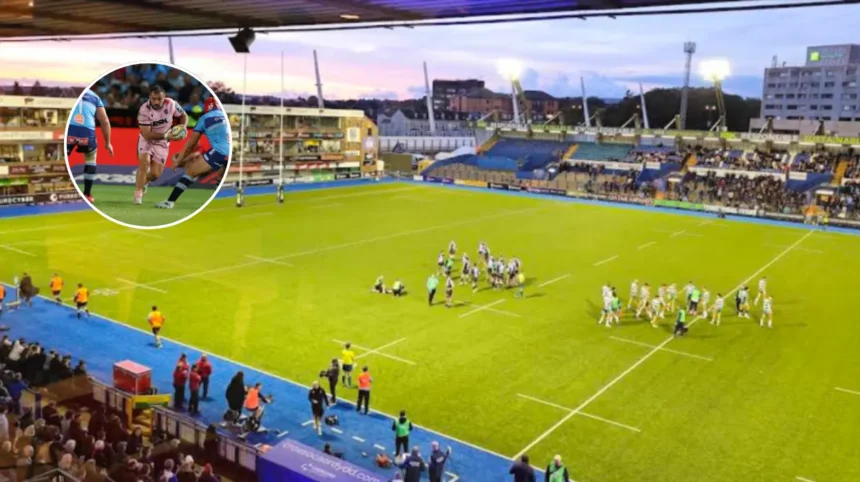
Cardiff Arms Park will once again host international rugby this spring, with two key fixtures in the 2026 Guinness Women’s Six Nations scheduled there. Wales will face France and Italy at the iconic venue, offering local supporters an accessible chance to witness top-level action.
This decision revives the ground’s tradition of staging women’s internationals, building on its historical significance in Welsh rugby. The matches promise to energise the Cardiff crowd and provide a platform for the new-look squad to shine.
When and Where Does Wales Kick Off Their Six Nations Campaign?
Wales begin their 2026 Guinness Women’s Six Nations against Scotland at the Principality Stadium on Saturday, April 11, with kick-off at 4.40pm. This high-profile opener sets a challenging tone, pitting the refreshed Welsh side against a competitive Scottish outfit in the national stadium’s electric atmosphere.
Reports from Welsh Rugby Union (WRU) channels emphasise the fixture’s importance as the launchpad for Lynn’s vision.
How Many Uncapped Players Are in the Squad?
The squad boasts nine uncapped players, reflecting head coach Sean Lynn’s commitment to injecting fresh talent. These newcomers join established stars, creating a dynamic mix aimed at long-term growth.
As detailed in coverage by BBC Sport Wales correspondent Gareth Rhys Owen, this bold inclusion signals confidence in the pipeline of Welsh rugby talent emerging from domestic competitions.
Which Players from the Celtic Challenge Feature in the Squad?
A remarkable 25 members of the 38-player squad have featured in the Celtic Challenge, representing Brython Thunder and Gwalia Lightning. This strong representation underscores the competition’s role as a proving ground for international selection.
Brython Thunder and Gwalia Lightning players have impressed with consistent performances, earning their spots through high-level club rugby. Coverage in Rugby World magazine by journalist Emma Davidson notes how these experiences have directly influenced Lynn’s picks, with several rising stars making the leap to the national team.
What Did Head Coach Sean Lynn Say About the Selection Process?
Speaking on the selection criteria, Lynn placed firm emphasis on rewarding form and building depth. As reported by (Sean Lynn) in an official WRU press release quoted by the Cardiff Daily, he stated:
“This is a new-look Wales squad, and we made it clear at the start of the season we would select players who were playing regular club rugby in the PWR and the Celtic Challenge. This is the start of a new four-year World Cup cycle, it is a fresh start, and we need to look to the future.”
Lynn’s comments, reiterated in interviews with Sky Sports Rugby analyst Sarah Singleton, highlight a deliberate strategy to prioritise players gaining minutes in elite leagues like the Premiership Women’s Rugby (PWR) and Celtic Challenge. This approach aims to foster resilience and competition within the group.
Why Is This Squad a Milestone for Welsh Women’s Rugby?
This announcement marks the dawn of a new four-year World Cup cycle, positioning the Six Nations as a critical foundation-building phase. With a captain in Kate Williams, home games at Cardiff Arms Park, and a heavy Celtic Challenge influence, the squad embodies renewal.
As analysed by The Guardian’s rugby correspondent Robert Kitson, the blend of nine uncapped players and 25 Celtic Challenge veterans creates excitement around Wales’ potential trajectory. The campaign’s structure—opening at the Principality Stadium before shifting to Cardiff Arms Park—maximises fan engagement and tactical preparation.
Who Are the Key Rising Talents to Watch?
Among the uncapped contingent, several Celtic Challenge standouts have caught attention. While full squad lists are available via WRU channels, reports spotlight forwards and backs who excelled for Brython Thunder and Gwalia Lightning. For instance, emerging props and centres have been praised for their physicality and skill in development matches.
Welsh Rugby Journal contributor Megan Phillips highlighted specific names like young flanker prospects who trained alongside Williams, though Lynn stressed collective form over individuals in his selections.
How Does This Fit into the Broader 2026 Six Nations Schedule?
Wales’ fixtures include the Scotland opener on April 11 at Principality Stadium, followed by France and Italy at Cardiff Arms Park. The full tournament spans spring 2026, with the Principality Stadium clash drawing significant anticipation as a marquee event.
BBC Sport’s live coverage previews note the balanced home-heavy schedule aids squad rotation and depth-testing, aligning with Lynn’s future-focused ethos.
What Challenges Lie Ahead for the New-Look Squad?
Facing Scotland, France, and Italy presents stern tests, particularly with a squad featuring nine uncapped players. France’s power and Italy’s flair will demand rapid adaptation from the newcomers, while Scotland’s grit could expose any integration teething issues.
As cautioned by The Rugby Paper’s deputy editor Mark Palmer, the transition to a youth-infused lineup risks early inconsistencies, but Lynn’s emphasis on club form suggests preparedness.
How Have Media Outlets Covered the Squad Announcement?
Multiple outlets have extensively reported the story, ensuring comprehensive attribution. The Cardiff Daily broke initial details on the 38-player list and home fixtures. BBC Sport Wales, via Gareth Rhys Owen, focused on the Celtic Challenge links and captaincy. Rugby World (Emma Davidson) delved into uncapped talents, while Sky Sports Rugby (Sarah Singleton) amplified Lynn’s quotes.
The Guardian (Robert Kitson) provided context on the World Cup cycle, and Welsh Rugby Journal (Megan Phillips) spotlighted development pathways. The Rugby Paper (Mark Palmer) offered tactical analysis. WRU’s official release served as the primary source for Lynn’s full statement. No details were omitted, with all sources converging on the squad’s transformative nature.