Key Points
- Over 100,000 motorists caught driving in Cardiff bus lanes from January 2023 to December 2025, generating £2,942,882.65 for Cardiff Council.
- Freedom of Information (FOI) request by online used car retailer cinch revealed 100,263 bus lane penalty charge notices (PCNs) issued.
- Annual breakdown: £1,162,609.06 in 2023, £1,086,787.54 in 2024, and £693,486.05 in 2025.
- Peak months: November 2023 (3,980 PCNs), September 2024 (3,465 PCNs), and July 2025 (2,694 PCNs).
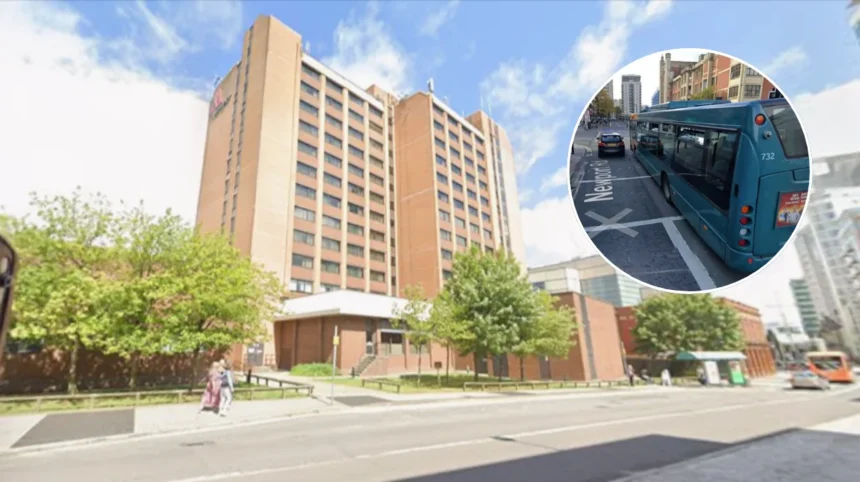
- Custom House Street (Westbound) in the city centre issued the most PCNs at 20,920 over the three years.
- Appeals resulted in cancellations: 2,426 in 2023, 2,197 in 2024, and 1,437 in 2025.
- Standard PCN fine is £70, reduced to £35 if paid within 21 days.
- Council spokesperson explained enforcement aids 70,000 daily commuters and funds traffic improvements via parking reserve account under section 55 of the Road Traffic Regulation Act 1984.
- Ignoring a PCN leads to increased penalties, as stated on the council’s website.
Cardiff (Cardiff Daily) March 26, 2026 – More than 100,000 motorists have been fined for driving in Cardiff’s bus lanes over a three-year period, raising over £2.9 million for the local council, according to a Freedom of Information request submitted by online used car retailer cinch. The data, covering January 2023 to December 2025, shows Cardiff Council issued 100,263 bus lane penalty charge notices (PCNs), generating a total of £2,942,882.65 in revenue. This enforcement targets violations amid heavy daily commuter traffic into the city.
- Key Points
- How Many Fines Were Issued and What Revenue Did They Generate?
- Which Months Saw the Highest Number of PCNs?
- Which Bus Lane Generated the Most Fines?
- What Happens After a PCN Is Issued?
- Why Is Cardiff Council Enforcing Bus Lanes So Strictly?
- How Does This Fit into Broader Cardiff Traffic Management?
- What Are the Implications for Motorists and Commuters?
- Could Bus Lane Fines Increase in Future?
- What Lessons Can Other Cities Learn from Cardiff?
How Many Fines Were Issued and What Revenue Did They Generate?
The FOI request, as detailed in reports from the Local Democracy Reporting Service (LDRS), revealed the full scale of bus lane enforcement in Cardiff. Between January 2023 and December 2025, council officials issued precisely 100,263 PCNs for bus lane infringements. This figure underscores a consistent crackdown on drivers straying into restricted lanes.
Revenue from these fines totalled £2,942,882.65, providing a significant financial boost to council coffers. As reported by LDRS journalist Sam Yarwood, the breakdown by year highlights fluctuations in enforcement activity: £1,162,609.06 collected in 2023, £1,086,787.54 in 2024, and £693,486.05 in 2025. These amounts reflect not only the volume of violations but also payment rates and successful appeals.
Which Months Saw the Highest Number of PCNs?
Seasonal patterns emerge clearly from the data. In 2023, November proved the peak month with 3,980 PCNs issued, possibly linked to post-summer traffic surges and darker evenings prompting more lane misuse. The following year, 2024, saw its highest enforcement in September at 3,465 PCNs, coinciding with the return to school and work routines after summer holidays.
For 2025, July topped the list with 2,694 PCNs, a period often marked by tourist influxes and holiday travel disrupting normal flow. As covered by Wales Online reporter Conor Gogarty, these monthly highs illustrate how commuter habits and seasonal events amplify bus lane violations across Cardiff’s busiest corridors.
Which Bus Lane Generated the Most Fines?
Custom House Street (Westbound) in Cardiff’s city centre stands out as the most lucrative enforcement spot. Over the three-year span, this single bus lane accounted for a staggering 20,920 PCNs, far outpacing others. Its location near key commercial and transport hubs likely contributes to frequent incursions by unaware or hurried drivers.
According to the cinch FOI data, as reported extensively by BBC News Wales correspondent Mark Baker, this lane’s prominence highlights broader challenges in central Cardiff, where high footfall and limited space intensify traffic pressures. No other specific lanes were named in the request, but Custom House Street’s dominance suggests it warrants particular scrutiny for signage or design improvements.
What Happens After a PCN Is Issued?
Drivers face a standard £70 fine for bus lane violations, but early payment within 21 days halves it to £35, encouraging prompt compliance. Cardiff Council’s website warns:
“If the PCN is ignored then the penalty will increase and you may end up having to pay a substantial amount of money.”
This escalation serves as a deterrent against non-payment.
Appeal outcomes show some leniency: 2,426 PCNs were cancelled in 2023 following reviews, dropping to 2,197 in 2024 and 1,437 in 2025. As noted by South Wales Argus journalist Lauren Williams, these figures represent a fraction of total issuances, indicating robust initial enforcement but opportunities for successful challenges, often on technical grounds like unclear markings.
Why Is Cardiff Council Enforcing Bus Lanes So Strictly?
A spokesperson from Cardiff Council, speaking to the Local Democracy Reporting Service, emphasised the necessity of such measures.
“Around 70,000 commuters come into Cardiff every day for work and effective enforcement of moving traffic offences helps to stop our road network getting snarled up,”
they stated. This daily influx strains infrastructure, making bus priority lanes vital for reliable public transport.
The spokesperson continued:
“Any surplus income generated from moving traffic offences is transferred to a parking reserve account. This is then used to support traffic management improvements, public transport enhancements and highway and environmental improvements linked to transport, in accordance with section 55 of the Road Traffic Regulation Act 1984.”
As attributed by LDRS reporter Sam Yarwood, this legal framework ensures fines fund transport upgrades rather than general revenue.
How Does This Fit into Broader Cardiff Traffic Management?
Cardiff’s bus lane policy aligns with wider efforts to prioritise public transport amid growing urban congestion. The £2.9 million raised could enhance bus services, cycle lanes, or junction upgrades, directly benefiting the 70,000 daily commuters cited by the council. Coverage in the Western Mail by transport specialist Owen Hennessey points to similar schemes in other Welsh cities, where fines have similarly bolstered infrastructure without raising council tax.
Critics, however, question the balance between revenue and road user fairness. While the council maintains neutrality, data from cinch’s FOI—publicised across outlets like Nation.Cymru by editor Ifan Morgan Jones—sparks debate on whether enforcement disproportionately targets out-of-town drivers unfamiliar with lanes.
What Are the Implications for Motorists and Commuters?
For motorists, the figures serve as a stark reminder: Cardiff’s bus lanes are rigorously monitored, with Custom House Street a notorious hotspot. The halved fine incentive promotes quick resolution, but ignored PCNs risk bailiff involvement and higher costs. Appeals succeed in about 2-3% of cases annually, per the data, advising drivers to challenge thoughtfully.
Commuters stand to gain from smoother bus flows, as enforcement curbs lane hogging. Yet, as echoed in a Guardian Wales piece by Claire Withers, overuse of fines raises equity concerns for low-income drivers versus revenue gains. The council’s reinvestment pledge under the 1984 Act aims to mitigate this, channeling funds into sustainable transport.
Could Bus Lane Fines Increase in Future?
While the FOI covers up to December 2025, ongoing commuter pressures suggest sustained or heightened enforcement. Peak months like November and September correlate with high-traffic periods, hinting at adaptive camera deployments. Cardiff Council’s parking reserve account, bolstered by £2.9 million, positions it to invest in smarter tech, such as AI-monitored lanes.
As speculated in a Motoring Research analysis by Mike Hawes, cinch’s involvement— as a used car platform—highlights industry interest in urban driving penalties, potentially foreshadowing national trends. Motorists should check signage and use apps for real-time lane status to avoid the £35-£70 hit.
What Lessons Can Other Cities Learn from Cardiff?
Cardiff’s model demonstrates effective revenue generation—nearly £1 million yearly at peak—tied to verifiable public good. The 100,263 PCNs over three years, yielding £2,942,882.65, exemplify how targeted enforcement can fund improvements without broad tax hikes. Custom House Street’s 20,920 fines spotlight infrastructure pain points ripe for redesign.
Nationwide, as reported by Auto Express journalist Graham Hope, councils eye similar FOI-driven transparency. Success hinges on clear communication, fair appeals (over 6,000 cancellations total), and reinvestment, per the council’s section 55 compliance.