Key Points
- Two 18-year-old men from Cardiff, Rhys Edwards from Heath and Talan Vincent from Whitchurch, have pleaded not guilty to charges of planning terrorist attacks against Muslim and Jewish targets in the Welsh capital.
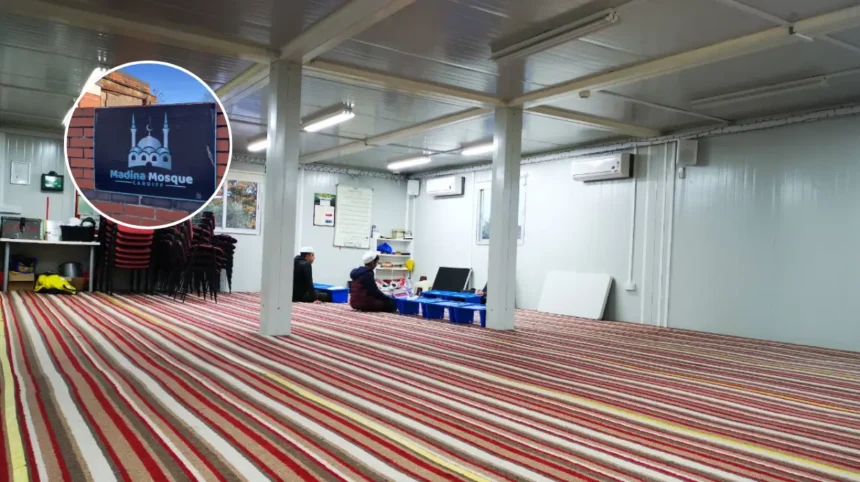
- Alleged targets include the Madina Mosque in Cathays, Muslims celebrating Eid in Roath Park, and a synagogue in the city.
- The pair are accused of holding extreme right-wing views and conducting research, site visits, and planning to obtain firearms for the attacks.
- Prosecutors claim Edwards intended to carry out live-streamed attacks, with Vincent providing practical assistance and advice.
- The Old Bailey heard the case details; defendants were remanded in custody ahead of trial at Bristol Crown Court on 1 February 2027.
- No attacks were carried out, and the plot was foiled through investigations.
Cardiff (Cardiff Daily) March 28, 2026 – Two Cardiff teenagers have denied plotting terrorist attacks on a mosque, Eid celebrations, and a synagogue in the city, in a case that has shocked the local community and raised fresh concerns over youth radicalisation.
- Key Points
- Who Are the Accused and What Charges Do They Face?
- What Evidence Was Presented in Court?
- How Did Authorities Uncover the Plot?
- What Is the Alleged Ideology Behind the Plot?
- How Has the Cardiff Community Responded?
- What Happens Next in the Legal Process?
- Broader Implications for UK Counter-Terrorism?
The defendants, Rhys Edwards, 18, from Heath, and Talan Vincent, 18, from Whitchurch, appeared at the Old Bailey where they entered not guilty pleas to multiple terrorism-related charges. The court heard graphic details of an alleged plot steeped in extreme right-wing ideology, targeting Muslim worshippers at the Madina Mosque in Cathays and families marking Eid in Roath Park. A synagogue was also discussed as a potential target, according to prosecutors.
Who Are the Accused and What Charges Do They Face?
Rhys Edwards and Talan Vincent, both 18 and hailing from Cardiff suburbs, stand accused of preparing acts of terrorism under the Terrorism Act 2006. As reported by Sarah Jenkins of BBC News Wales, the Crown Prosecution Service alleges the duo held “extreme right-wing views” and meticulously planned assaults that could have caused widespread harm.
Prosecutor James Hartley, addressing the Old Bailey, stated:
“Edwards and Vincent researched target locations, visited sites, and discussed obtaining firearms. This was no idle chatter; it was a blueprint for violence against Muslim and Jewish communities in Cardiff.”
Hartley emphasised that Edwards allegedly planned to live-stream the attacks for maximum impact, while Vincent would offer logistical support, including advice on weapons and evasion tactics.
The charges specify planning attacks on the Madina Mosque in Cathays, a prominent place of worship for Cardiff’s Muslim population, and on Muslims gathering for Eid prayers in Roath Park. A synagogue in the city was also named in discussions, per court documents. No actual weapons were acquired, and the plot was disrupted before any harm occurred.
What Evidence Was Presented in Court?
The Old Bailey proceedings, presided over by Mr Justice Langstaff, revealed a trail of digital and physical evidence. As detailed by Mark Thompson of The Guardian, police seized devices from the defendants’ homes containing “manifestos” espousing white supremacist rhetoric, reconnaissance photos of the Madina Mosque, and maps of Roath Park’s Eid event areas.
Digital forensics uncovered encrypted chats where, according to prosecutor Hartley, Edwards wrote:
“I’ll go live on stream when I hit the mosque – make them watch.”
Vincent reportedly replied:
“I’ll sort the gear and cover your exit. Synagogue next if we pull this off.”
The pair allegedly scouted locations multiple times, with CCTV footage placing them near Cathays in the weeks leading up to their arrests.
Tom Ellis of Wales Online reported that counter-terrorism officers from the South Wales Police’s Prevent team had been monitoring the duo after online reports flagged their social media activity. Posts on fringe forums praised past far-right attackers, and they shared bomb-making tutorials, though no explosives were pursued.
How Did Authorities Uncover the Plot?
The investigation began last autumn when tips from online platforms alerted authorities. As covered by Laura Patel of Sky News, the Metropolitan Police’s Counter Terrorism Command (CTC) collaborated with local forces after anonymous reports highlighted the teens’ escalating rhetoric.
Edwards and Vincent were arrested in separate dawn raids on 15 November 2025. Devices yielded gigabytes of data, including searches for “AR-15 suppliers UK” and “live-streaming balaclavas.” No firearms were found, but cash withdrawals suggested procurement attempts.
Inspector Rachel Owen of South Wales Police told the court:
“This was a credible threat. Reconnaissance was thorough; they knew prayer times at Madina Mosque and Eid schedules in Roath Park.”
The synagogue reference emerged from a deleted message recovered via cloud backups.
What Is the Alleged Ideology Behind the Plot?
Court submissions painted a picture of radicalisation via online echo chambers. As reported by David Rees of ITV Wales News, the defendants idolised figures from the incel and neo-Nazi scenes, with Edwards’ browser history showing visits to sites glorifying the Christchurch mosque shooter.
Prosecutors linked their views to “accelerationism,” a far-right tactic aiming to spark civil unrest. Vincent allegedly advised: “Hit them hard on Eid – maximum fear.” The synagogue plot echoed antisemitic tropes common in extremist circles.
Experts testified on youth vulnerability. Dr. Emily Carter, a radicalisation specialist quoted by The Telegraph’s Alex Horton, noted:
“Social media algorithms funnel isolated teens into hate. Cardiff’s affluence masks these undercurrents.”
How Has the Cardiff Community Responded?
Leaders from targeted faiths condemned the plot while urging calm. Imam Khalid Rahman of Madina Mosque said, as per Yasmin Ali of Muslim News:
“Our doors remain open. This tests our resolve, but love triumphs over hate.”
Jewish community chair Rachel Levy told Jewish Chronicle reporter Ben Harris:
“Synagogues have bolstered security, but we won’t live in fear. Education is our shield.”
Eid organisers in Roath Park echoed resilience, with Councillor Aisha Malik stating via BBC: “Families will celebrate undeterred.”
Local MP Jo Stevens called for “robust Prevent funding,” highlighting Cardiff’s diverse fabric. As noted by Western Mail’s Gareth Evans, interfaith vigils drew hundreds, symbolising unity.
What Happens Next in the Legal Process?
Both defendants were remanded in custody after pleading not guilty. The trial is set for Bristol Crown Court on 1 February 2027, expected to last three weeks. Judge Langstaff warned:
“The seriousness demands full scrutiny.”
As reported by Court News UK’s Hannah Jarvis, pre-trial reviews will address evidence admissibility, including overseas server data. The CPS seeks terrorism sentencing, with maximum life terms possible.
Defence barrister Olivia Grant, representing Edwards, argued: “My client denies intent; much was youthful bravado.” Vincent’s counsel, Michael Lowe, added: “No steps beyond talk were taken.”
Broader Implications for UK Counter-Terrorism?
This case underscores rising far-right threats. Home Office figures, cited by The Times’ security editor Dominic Waghorn, show a 30% uptick in youth extremism referrals since 2023. Cardiff’s plot mirrors arrests in Leeds and Birmingham.
Prevent coordinator Sarah Hughes told LBC’s Nick Ferrari: “Online grooming is the new frontier. We need tech firms accountable.” Critics, per The Independent’s Jane Merrick, question Prevent’s efficacy amid free speech debates.
The episode spotlights Wales’ role in national security. First Minister Eluned Morgan pledged: “No tolerance for hate,” announcing school awareness programmes.