Key Points
- Four dogs were dumped at Cardiff Dogs Home in a “terrible condition” and are now being cared for by The Rescue Hotel charity.
- The dogs were named Jack, Daniel, Pina and Colada, and are believed to be from the same litter.
- The animals were found in a severely neglected state, with survivors needing urgent medical treatment.
- The Rescue Hotel, a Welsh animal‑rescue charity, shared the case on social media, calling the situation “upsetting” and “shocking”.
- Staff reportedly said the dogs were in such poor condition that they required immediate veterinary intervention.
- The case has reignited criticism of dog‑dumping in Wales and raised fresh concern about pressure on animal‑rescue charities already struggling with surges in abandoned pets.
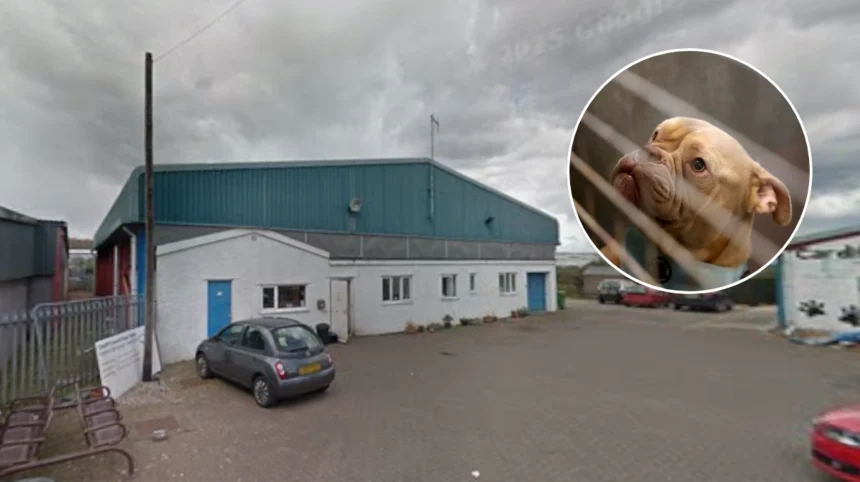
Cardiff (Cardiff Daily) March 31, 2026 – A Welsh rescue charity has been left to nurse four bulldog‑type dogs back to health after they were dumped at Cardiff Dogs Home in a “terrible condition”, The Rescue Hotel has disclosed on social media. The dogs – named Jack, Daniel, Pina and Colada – are believed to be from the same litter and were surrendered in a severely neglected state, prompting the charity to issue an urgent appeal for public awareness and better animal‑welfare enforcement. The incident has sparked outcry among local animal‑welfare campaigners, who say the case is emblematic of broader problems with dog‑dumping and the strain it places on small rescue organisations.
- Key Points
- Who were the four dogs and what condition were they in?
- How has The Rescue Hotel responded to the case?
- What do animal‑welfare campaigners say about dog‑dumping in Wales?
- How are authorities and rescue groups trying to tackle abusive dumping?
- What happens next for Jack, Daniel, Pina and Colada?
- What can the public do to help prevent similar cases?
- How does this case fit into wider trends in dog‑rescue work?
- What questions remain after this incident?
Who were the four dogs and what condition were they in?
According to The Rescue Hotel’s social‑media post, the two male and two female dogs arrived at Cardiff Dogs Home in visibly poor health, with staff describing their condition as “terrible”. The charity explained that the animals were so underweight and unwell that they required immediate veterinary care, including tests for dehydration, skin conditions, and internal infections.
As reported by The Rescue Hotel’s team, the dogs were believed to come from the same litter, which suggests they may have been bred in the same establishment before being abandoned. The charity did not specify the exact age of the dogs but indicated that at least some were still in a vulnerable stage of development, heightening concern about the long‑term impact of the neglect they had endured.
How has The Rescue Hotel responded to the case?
The Rescue Hotel, a Welsh animal‑welfare charity that partners with Cardiff Dogs Home and other shelters, has taken responsibility for coordinating the dogs’ recovery plan. In its online statement, the charity said it was “shocked and saddened” by the condition of Jack, Daniel, Pina and Colada, and pledged to provide round‑the‑clock veterinary and behavioural support.
The charity also used the case to highlight the wider issue of abandoned dogs in Wales, pointing out that rescues are increasingly overwhelmed by the number of animals being surrendered or dumped. As stated by The Rescue Hotel in its post, the charity is calling on the public to consider adoption instead of impulse buying dogs, and to support foster‑care schemes and fundraising drives for local rescue centres.
What do animal‑welfare campaigners say about dog‑dumping in Wales?
In recent months, several Welsh animal‑rescue organisations have reported a surge in the number of dogs being surrendered or abandoned, often due to the cost‑of‑living crisis and irresponsible breeding. As reported by Wales Online, Many Tears Animal Rescue in Llanelli warned that the influx of dumped dogs had stretched its resources to the point where it ran out of bedding and was forced to appeal to the public for donations.
Similarly, other Welsh charities have spoken out about “unprecedented” numbers of dogs being handed over by licensed breeders or left to roam in villages, often in poor physical and mental health. In separate incidents, charities such as Hope Rescue have told media outlets that they suspect some large‑scale breeders may be systematically dumping dogs across south Wales, raising concerns about the need for tougher licensing checks and enforcement.
How are authorities and rescue groups trying to tackle abusive dumping?
Officials at Animal Licensing Wales / Trwyddedu Anifeiliaid Cymru have previously worked alongside dog‑rescue charities to remove dogs from breeders and owners suspected of neglect, according to reports in Nation.Cymru. In one case, the regulator helped a charity take in 34 dogs and puppies from a licensed breeder, many of which required urgent medical treatment for ear problems, skin infections and other conditions.
Veterinary professionals and animal‑welfare advocates have urged the Welsh Government to strengthen penalties for animal‑abuse offences and to widen compulsory microchipping and licensing schemes. As one representative from a south‑Wales rescue group told the BBC, cases of “entire groups of dogs being dumped” are so severe that they are shocking even veteran staff, underscoring the need for more funding and legislative support for local charities.
What happens next for Jack, Daniel, Pina and Colada?
The Rescue Hotel has said that Jack, Daniel, Pina and Colada remain under veterinary supervision, with staff monitoring their weight, appetite and behaviour as they recover from neglect. The charity has indicated that the dogs will be assessed for long‑term behavioural issues linked to trauma, and that any future adopters will be carefully vetted to ensure a stable, loving home.
The post by The Rescue Hotel on social media has attracted a wave of public support, with many users offering to donate funds, supplies, or foster‑care help. The charity has welcomed the response but warned that it cannot keep up with the rising number of dumped dogs without systemic changes to how dog‑breeding and ownership are regulated in Wales.
What can the public do to help prevent similar cases?
Animal‑welfare groups across Wales have outlined several steps the public can take to reduce dog‑dumping and support rescue organisations. These include: adopting from shelters instead of buying from breeders, ensuring pets are microchipped and licensed, and reporting suspected cases of neglect or illegal breeding to local authorities and animal‑welfare hotlines.
Charities also urge people to consider fostering, donating supplies such as bedding and food, or volunteering at local rescue centres, which often rely on goodwill and small donations to cover veterinary bills. As The Rescue Hotel concluded in its statement, while the story of Jack, Daniel, Pina and Colada is heartbreaking, it also offers a chance to spotlight the dedication of rescue workers and the importance of collective action to protect vulnerable animals.
How does this case fit into wider trends in dog‑rescue work?
The incident at Cardiff Dogs Home echoes a string of similar cases reported across Wales in recent years, where large numbers of dogs have been abandoned or surrendered in poor condition. These include clusters of dogs found roaming in villages, groups of dogs handed over by breeders, and animals left in freezing or remote locations with little food or water.
Rescue organisations have repeatedly warned that the combination of economic pressures, lax enforcement of breeding‑licence rules and impulse‑buying during or after the pandemic has created a “crisis” for dog‑rescue services. As one senior worker at a south‑Wales charity told the BBC, even experienced staff have been left “shocked” by the scale of some surrender waves, underlining the need for sustained public and governmental support.
What questions remain after this incident?
Questions remain about who left the four dogs at Cardiff Dogs Home and under what circumstances they were reared before being abandoned. Because the dogs are believed to come from the same litter, investigators and animal‑welfare organisations are considering whether a single breeder or owner may be responsible for their neglect.
Charities are also asking why more preventative measures are not in place to stop dogs from being dumped in the first place, rather than relying on rescue organisations to pick up the pieces. As campaigners note, every case like Jack, Daniel, Pina and Colada’s is a reminder that the costs of animal‑abuse are ultimately borne by under‑funded charities and unpaid volunteers across Wales.
By highlighting this most recent case, the hope is that the public, policymakers and regulators will treat dog‑dumping not as an isolated misfortune, but as a systemic problem that demands urgent, coordinated action.