Key Points
- Cardiff planners have approved plans to convert an office building in Pentwyn into a “multifunction church and community hub” run by The Bridge Church.
- The building, Abacus House on Caxton Place, will change from commercial to community‑use, with the church aiming to create a permanent base after operating without one for more than a decade.
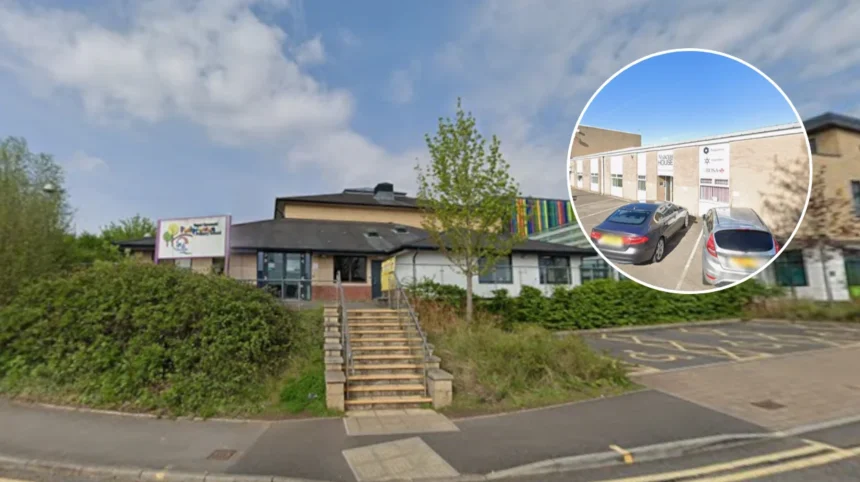
- The Bridge Church, founded in 2012 from Highfields Church in Cathays, has previously rented space at Corpus Christi High School, several hotels, and for the past eight years at Pontprennau Primary School.
- Planning documents show that the church is supported by two full‑time staff and more than 100 active volunteers.
- The project is expected to double the church’s capacity, generate new employment opportunities, and expand community outreach in Pentwyn and Pontprennau.
- Local councillors Joe Carter and Dan Naughton have backed the proposal, describing it as a chance to secure a permanent foundation for vital community work.
- Planners argue that, with changing demand for office space, repurposing Abacus House for community use is a progressive and evidence‑based decision.
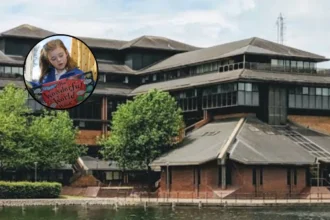
Cardiff (Cardiff Daily) April 6, 2026 – A former office block in Pentwyn, Cardiff, is set to be transformed into a “multifunction church and community hub” after the city’s planning committee granted approval for the change of use. The project, led by The Bridge Church, will see Abacus House on Caxton Place move from a commercial tenancy to a community‑led space aimed at providing worship facilities, co‑working areas, and a range of local support services.
- Key Points
- How did the plans come before planners?
- What will the new hub actually be like?
- Why did councillors back the church conversion?
- What does this mean for church capacity and staffing?
- How does this fit into wider Cardiff planning changes?
- What are residents and community groups saying?
- What happens next in the conversion process?
- What broader questions does this raise for Cardiff?
Residents and church leaders say the redevelopment will allow The Bridge Church to establish a permanent home for the first time in its 14‑year history, while also creating jobs and boosting community engagement in Pentwyn and Pontprennau. Council officials have stressed that the scheme aligns with wider efforts to adapt under‑used office assets to meet the evolving needs of Cardiff’s neighbourhoods.
How did the plans come before planners?
Plans for the conversion were formally submitted to Cardiff Council earlier this year by The Bridge Church, a church plant that emerged from Highfields Church in Cathays in January 2012. The planning application outlined how the Pentwyn office block would be reconfigured to accommodate regular services, small‑group meetings, youth and family activities, and flexible community spaces.
As reported by the WalesOnline planning team, planning documents state:
“The church operates without a permanent home, having initially rented a space at Corpus Christi High School, multiple hotels and for the past eight years they have been operating from Pontprennau Primary School.”
That history of temporary premises has prompted the church to seek a stable, long‑term base in the area.
What will the new hub actually be like?
The approved scheme will see Abacus House on Caxton Place switch from a commercial office use to a community‑oriented operation centred on The Bridge Church’s activities. The church’s own documents note that the redeveloped building is intended to function as a “multifunction church and community hub,” combining worship, social action, and shared workspace.
According to the planning submission, the project aims to “double the church’s capacity, create new job opportunities, and enhance its outreach initiatives.” The church outlined plans to use the full‑time availability of the building for expanded services, including additional Sunday gatherings, mid‑week groups, and community drop‑ins.
The proposal also highlights that the new hub would serve as a space for “connection, community, and co‑working,” with the intention of welcoming local residents, volunteers, and small organisations that lack office facilities. As the church’s planning documents put it:
“The church believes the proposed community offerings would generate employment, volunteer, and engagement opportunities, provide targeted assistance to vulnerable residents, and serve a local population that promotes connection, development, and resilience.”
Why did councillors back the church conversion?
The decision to approve the change of use was supported by local councillors representing the Pentwyn and Pontprennau area. Councillors Joe Carter and Dan Naughton issued a joint statement, as reported by WalesOnline, in which they said:
“Caxton Place presents a unique chance to establish a permanent foundation for this vital community work.”
They added that, given changing patterns in commercial office demand, repurposing the building for community use was a “progressive and evidence‑based choice.” The councillors emphasised that the project would help fill a gap in local facilities while making use of an existing asset that would otherwise be difficult to re‑let in its current form.
In the same coverage, planning officers noted that the conversion did not conflict with the council’s wider economic‑development strategy, provided the move was matched with proper transport‑impact and design assessments. Officers concluded that the community‑use switch was compatible with the local plan, especially given the limited potential for alternative employment‑led redevelopment at the site.
What does this mean for church capacity and staffing?
The planning documents outline the current scale of The Bridge Church’s operations and how it expects to grow after moving into the Pentwyn building. WalesOnline’s report on the application notes that the church is at present “supported by two full‑time staff members and over 100 active volunteers.”
The church’s own submission states that the new permanent base would allow it to “utilise the space full‑time, expand services, and offer the building as a hub for local residents.” The material also suggests that the change would “catalyse our community impact,” enabling the church to run more groups, host events, and deepen partnerships with local schools, charities, and public services.
The conversion is expected to create new employment opportunities, both in direct church roles and in associated support positions such as caretaking, administration, and hospitality linked to the community hub. The church’s planning statement adds that the increased capacity would “yield greater direct benefits” to Pentwyn and Pontprennau by providing more structured activities for young people, families, and older residents.
How does this fit into wider Cardiff planning changes?
The Pentwyn scheme is one of several recent Cardiff planning decisions that see office or under‑used buildings repurposed for community or social‑value uses. In parallel, the council and its partners have been pushing forward other large‑scale community‑focused projects, such as the planned £34 million Park View Health and Wellbeing Hub in Ely and Caerau, which will bring GP, mental health, and family services under one roof.
In that project, the Cabinet Secretary for Health and Social Care Jeremy Miles was quoted as saying the hub would help residents access a wide range of services in one place and “bring more NHS care closer to people’s homes.” The council and Cardiff & Vale University Health Board have also described the wellbeing hub as a way to integrate health, social care, and community services around a central community‑space model.
Analysts and local‑government commentators have told various news outlets, including WalesOnline, that such conversions reflect a broader shift in how Cardiff manages its built environment: from a focus on conventional office redevelopment to “mixed‑use, community‑anchored” facilities. Councillors and planners have stressed that these moves are intended to respond to both demographic change and the structural decline of traditional office demand caused by hybrid and remote working patterns.
What are residents and community groups saying?
Reactions from local residents and community groups have been broadly positive, with many welcoming the prospect of a permanent community hub in the Pentwyn area. As conveyed in coverage by WalesOnline, church leaders say local feedback has frequently highlighted a lack of dedicated spaces for informal gatherings, youth activities, and support services in the neighbourhood.
Residents quoted in local‑news coverage have said they would value having a regular venue for activities such as after‑school clubs, coffee mornings, and volunteer‑training sessions attached to a stable organisation like The Bridge Church. At the same time, some local‑news commentators have urged the council to keep monitoring the impact of such conversions on traffic, parking, and night‑time noise, especially in single‑family residential parts of Pentwyn and Pontprennau.
In official responses included in the planning file, the church has committed to “mitigating impacts on neighbours” by agreeing on parking controls, limiting amplified sound levels, and liaising with local community groups to co‑design event schedules. The church’s statement adds that it intends to “work closely with the community” to ensure the new hub is “inclusive and respectful of the wider neighbourhood.”
What happens next in the conversion process?
Now that Cardiff Council has granted permission for the change of use, the next steps will fall to The Bridge Church and its partners to secure funding, complete detailed design work, and begin the physical conversion of Abacus House. Earlier reporting in WalesOnline indicates that the church has already begun exploratory discussions with architects and contractors to assess how best to reconfigure the office layout into flexible community rooms, meeting spaces, and larger worship areas.
The church’s planning documents suggest that work could begin within the next 12–18 months, depending on the pace of fundraising and the completion of any required listed‑building or environmental assessments linked to the site. Once the building is ready, services and community activities are expected to move from the current temporary base at Pontprennau Primary School into the Pentwyn hub on a phased basis, to minimise disruption to existing congregations and groups.
Local‑news outlets such as WalesOnline have noted that councillors and council officers will continue to monitor the implementation of the scheme, in line with standard conditions attached to planning permissions. Those conditions typically cover the timing of works, compliance with building regulations, and adherence to agreed noise‑management and parking‑control protocols on the site.
What broader questions does this raise for Cardiff?
The Pentwyn office‑to‑church conversion has sparked wider discussion among planners, local organisations, and community leaders about how Cardiff should handle surplus office stock in the coming years. Commentators cited in WalesOnline have pointed out that the city has seen a persistent oversupply of office space since the early 2020s, driven by hybrid‑working trends and the rise of remote employment.
Some local‑government experts argue that adapting buildings for community, health, and wellbeing uses—like the proposed Pentwyn hub and the Ely‑Caerau health‑and‑wellbeing centre—can help counteract local‑service fragmentation while making better use of empty or under‑used floorspace. At the same time, these voices warn that any shift must be carefully balanced with the need to protect employment floorspace and maintain a viable commercial property market in the city centre and surrounding business districts.
WalesOnline’s coverage of such projects has also highlighted that residents increasingly expect new developments to deliver tangible social benefits, not just new buildings. In the case of the Pentwyn scheme, that means clear commitments on jobs, volunteering, and services for vulnerable households, alongside design quality and environmental‑sustainability measures.