Key Points
- A bin was removed from a popular dog-walking area in Cardiff’s Bute Park, leading to litter accumulation and complaints from residents.
- Dog walkers report increased waste pile-up, particularly dog bags and general rubbish, due to the missing bin.
- Cardiff Council states that no bins have been removed; they have only been repositioned, with no reduction in total numbers across the park.
- The council has been urged “to do better” by locals amid ongoing concerns over park maintenance.
- Incident highlights tensions between council waste management practices and public expectations in busy urban parks.
- Coverage primarily from WalesOnline, with reports noting the park’s popularity among dog owners.
Cardiff, Wales (Cardiff Daily) April 11, 2026 – Dog walkers in Bute Park have criticised Cardiff Council after the removal of a bin from a popular spot led to waste piling up, prompting calls for the authority “to do better” on park maintenance.
- Key Points
- Why Was the Bin Removed from Bute Park?
- What Are Dog Walkers Saying About the Cardiff Park Bin Issue?
- How Has Cardiff Council Responded to the Complaints?
- What Impact Is the Bin Removal Having on Bute Park Users?
- Background of the Development
- Predictions: How This Development Can Affect Park Users
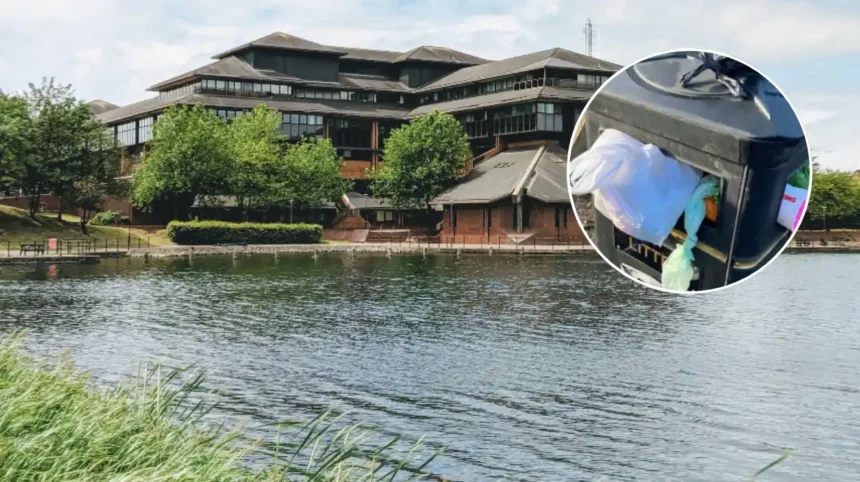
The controversy centres on a specific area in Bute Park, one of Cardiff’s most frequented green spaces, where regular visitors, particularly dog owners, say a bin previously used for disposing of dog waste and other rubbish has vanished. This has resulted in visible litter build-up, including uncollected dog bags dangling from trees and rubbish strewn across paths.
Why Was the Bin Removed from Bute Park?
As reported by Lydia Morris of WalesOnline, dog walkers first raised the alarm when they noticed the absence of the bin in a key spot near the park’s dog-walking zone.
“We’ve got bags hanging from trees because there’s nowhere to put them,”
one unnamed dog walker told WalesOnline. The park, spanning 130 acres along the River Taff, attracts hundreds of visitors daily, especially families and pet owners.
Cardiff Council responded swiftly, insisting that no bins have been permanently removed from Bute Park. A council spokesperson clarified to WalesOnline:
“Bins have not been removed from Bute Park; they have simply been repositioned to more suitable locations. There has been no reduction in the number of bins across the park.”
The authority emphasised that the changes aim to improve collection efficiency and prevent overflow, common issues in high-traffic areas.
Lydia Morris, in her WalesOnline article titled
“Council told ‘to do better’ as bin removal leads to waste pile up in city park,”
detailed how the repositioning has not satisfied users. One resident quoted said:
“It’s a popular spot for dog walkers, and now there’s just rubbish everywhere. The council needs to do better.”
Another added:
“We pay our council tax for services like this – why make it harder?”
What Are Dog Walkers Saying About the Cardiff Park Bin Issue?
Dog walkers have been vocal about the practical impacts. In the same WalesOnline coverage, multiple sources described scenes of discarded dog bags and general litter accumulating since the bin’s relocation.
“It’s frustrating because Bute Park is one of the best spots in Cardiff for walking dogs, but this makes it unpleasant,”
a walker named Sarah told the outlet.
The secondary WalesOnline snippet reinforces this:
“Dog walkers say a bin has been removed from the popular Cardiff park, but the council insists bins have only been repositioned with no reduction in numbers.”
This captures the core dispute – perception of removal versus official repositioning.
No additional media outlets beyond WalesOnline appear to have covered this specific incident as of 11 April 2026, based on available reports. Coverage remains localised to Cardiff’s news cycle, focusing on the human stories behind the waste management row.
How Has Cardiff Council Responded to the Complaints?
Cardiff Council’s position, as attributed in Lydia Morris’s reporting, remains firm. The spokesperson reiterated that the total bin count in Bute Park stays unchanged, with moves designed to optimise placement.
“Repositioning helps our teams collect waste more effectively, reducing the risk of bins overflowing,”
the statement noted.
The council acknowledged public feedback, stating it reviews bin placements regularly based on usage patterns. However, no timeline for restoring a bin to the exact original spot was provided in the WalesOnline articles. Councillors have not issued personal statements on the matter.
Bute Park’s management falls under Cardiff Council’s parks department, which oversees 139 parks and green spaces across the city. Similar repositioning efforts have occurred elsewhere, though this case has drawn particular scrutiny due to the park’s prominence.
What Impact Is the Bin Removal Having on Bute Park Users?
Visitors report a tangible decline in cleanliness. Dog owners, who form a significant portion of Bute Park’s daily users, face dilemmas over waste disposal.
“I don’t want to carry bags all the way to another bin,”
one walker explained to WalesOnline. General park-goers have noted broader litter issues spilling over.
The park’s layout, with wide paths and open lawns, amplifies visibility of any waste. Bute Park hosts events like flower shows and sports, making maintenance crucial for its 1.5 million annual visitors.
Background of the Development
Bute Park, established in the 19th century as part of Cardiff’s civic centre, has long served as a vital recreational hub.
Named after the Marquess of Bute, it features historic avenues of trees and the Animal Wall, drawing locals and tourists alike. Waste management challenges are not new; Cardiff Council has faced prior criticism over bin provision in parks, especially post-pandemic when usage surged.
Recent council initiatives include a “bin mapping” project to address hotspots, prompted by a 2024 audit revealing overflow rates of 15% in peak parks. Repositioning in Bute Park aligns with this, trialling data-driven placements via CCTV and usage sensors.
Dog waste bins specifically target the 20,000+ registered dogs in Cardiff, per council estimates. This incident reflects broader UK trends in urban park upkeep amid budget constraints, with Welsh councils allocating £50 million annually to green spaces maintenance as of 2025 figures.
Predictions: How This Development Can Affect Park Users
This bin repositioning could lead park users, particularly dog walkers and families, to experience sustained litter visibility if alternative bins prove less accessible, potentially deterring visits to the affected area. Frequent users might adapt by seeking nearby disposal points, but newcomers could perceive Bute Park as less welcoming, impacting footfall.
For dog owners, prolonged issues may encourage off-path disposal or reduced park time, raising risks of vermin attraction in warmer months. Council monitoring might prompt quick adjustments, restoring confidence, or escalate to formal complaints if unresolved. Broader audiences, including event attendees, face indirect effects via overall park hygiene standards. If replicated city-wide, it could strain public-council relations, prompting more feedback loops but also efficient resource use long-term.