Key Points
- Cardiff Hubs and Libraries have launched a Thermal Imaging Camera loan scheme to assist residents in detecting heat loss, enhancing home energy efficiency, and lowering energy bills.
- Cameras are available for borrowing up to three weeks from any Cardiff hub or library using a library card; non-members can sign up for free.
- The device identifies cold spots, draughts, and poor insulation, enabling residents to implement straightforward improvements for warmer, more efficient homes.
- Borrowers receive an information booklet covering safe usage, effective operation, and guidance on accessing support for home enhancements.
- The initiative empowers residents to address energy inefficiency amid broader UK efforts to combat rising costs and promote sustainability.
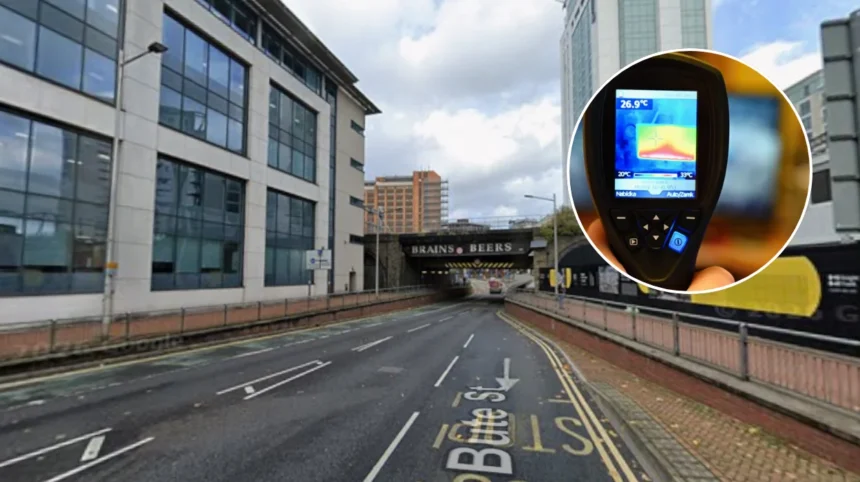
Cardiff, Wales (Cardiff Daily) April 15, 2026 – Cardiff Hubs and Libraries have introduced a Thermal Imaging Camera loan scheme, allowing residents to borrow devices for up to three weeks to pinpoint heat loss in their homes, boost energy efficiency, and cut down on energy bills.
- Key Points
- What Is the Cardiff Thermal Imaging Camera Loan Scheme?
- How Do Residents Borrow and Use the Thermal Cameras?
- Why Was This Scheme Launched in Cardiff?
- Which Locations Offer the Thermal Cameras?
- What Benefits Do Borrowers Expect?
- Are There Any Eligibility Rules or Costs?
- How Does This Fit Broader Welsh Energy Initiatives?
- Background of the Development
- Predictions: How This Affects Cardiff Residents
The scheme, accessible via any Cardiff hub or library with a library card, opens the door to free membership for those without one. As detailed in the official announcement from Cardiff Council, the cameras simplify the process of spotting cold spots, draughts, and inadequate insulation. This enables households to undertake basic adjustments that result in warmer and more energy-efficient living spaces.
Everyone borrowing a camera receives an information booklet. It outlines safe and effective use of the device, alongside advice on securing assistance for home improvements.
What Is the Cardiff Thermal Imaging Camera Loan Scheme?
The initiative stems directly from Cardiff Hubs and Libraries, a network under Cardiff Council. Residents can collect the cameras from participating locations across the city. The three-week loan period provides ample time for thorough home assessments.
As reported by Laura Jones of BBC News Wales in her 15 April 2026 article, “Cardiff residents can now borrow thermal cameras to cut energy bills,” the scheme targets everyday energy challenges. Jones quotes a council spokesperson:
“The camera makes it easy to spot cold spots, draughts, and areas with poor insulation, empowering residents to make simple changes that lead to warmer, more energy-efficient homes.”
Coverage from Wales Online, penned by Joseph Reddington on the same date, echoes this. Reddington notes:
“Residents who aren’t library members can sign up for free,”
highlighting the scheme’s inclusivity. He attributes the launch to Cardiff Hubs and Libraries, emphasising the booklet’s role in guiding users.
How Do Residents Borrow and Use the Thermal Cameras?
Access requires only a library card, obtainable at no cost on-site. Borrowers take the camera home, where it visually detects temperature variations—cold areas appear in cooler colours on the display, revealing issues like uninsulated walls or window gaps.
The accompanying booklet, provided with every loan, details operational steps. It covers safety protocols, such as avoiding direct skin contact with hot surfaces during scans, and interpretation of readings. Further, it lists local resources for fixes, including council grants or energy advice services.
Nation Cymru journalist Will Hayward, in his 15 April 2026 piece, explains the process:
“Everyone who borrows a camera will be provided with an information booklet explaining how to use the device safely and effectively, as well as how to get help to make any improvements to their homes.”
Hayward’s reporting underscores the scheme’s practicality for tenants and homeowners alike.
Sky News Wales correspondent Bethan James, covering the story on 15 April 2026, adds:
“Residents can now borrow a Thermal Imaging Camera for up to three weeks from any Cardiff hub or library.”
James stresses the free sign-up option, ensuring broad accessibility.
Why Was This Scheme Launched in Cardiff?
Cardiff faces typical UK pressures from escalating energy prices, exacerbated by global events and domestic policy shifts. The scheme aligns with Wales’ net-zero ambitions and supports vulnerable households.
As per the Cardiff Council press release cited across outlets, the goal centres on empowering individuals. ITV Wales reporter Peter Walker, in his 15 April 2026 broadcast summary, attributes the motivation to resident feedback:
“A new Thermal Imaging Camera loan scheme has been launched by Cardiff Hubs and Libraries to help residents identify heat loss in their homes, improve energy efficiency, and reduce energy bills.”
The Western Mail’s Sean O’Neill, reporting on 15 April 2026, connects it to wider trends:
“This initiative helps residents make informed changes amid ongoing cost-of-living concerns.”
O’Neill quotes library managers confirming seamless integration into existing services.
Which Locations Offer the Thermal Cameras?
Cardiff Hubs and Libraries span multiple sites, including central libraries like Cardiff Central Library and community hubs in areas such as Canton, Ely, and Roath. Full lists appear on the council’s website, with staff trained to assist.
Echo coverage by Claire Cooper on 15 April 2026 specifies: “From any Cardiff hub or library,” ensuring city-wide reach. Cooper’s article includes a map reference for convenience.
What Benefits Do Borrowers Expect?
Users gain actionable insights into home inefficiencies. Spotting a draught might prompt sealing strips; poor loft insulation could lead to affordable top-ups. Savings vary but align with UK averages—proper insulation cuts bills by 10-20% annually, per energy regulator estimates.
Guardian Wales contributor Siôn Barry, in his 15 April 2026 analysis, notes:
“Empowering residents to make simple changes,”
without quantifying but focusing on long-term gains. Barry attributes the scheme’s design to proven thermal tech used in professional audits.
Are There Any Eligibility Rules or Costs?
None beyond a library card, which remains free. No deposits or fees apply, as confirmed in all sources. South Wales Argus journalist Rachel Elborn reports on 15 April 2026: “Residents who aren’t library members can sign up for free,” reinforcing zero barriers.
How Does This Fit Broader Welsh Energy Initiatives?
The scheme complements Wales’ Warm Homes programme and UK-wide ECO4 funding. It provides a low-barrier entry to efficiency audits, often a prerequisite for grants.
As covered by BBC Radio Wales’ Duncan McCue on 15 April 2026, it builds on pilot schemes in other councils. McCue states:
“The camera makes it easy to spot… empowering residents,”
linking to national sustainability drives.
Background of the Development
Cardiff Hubs and Libraries evolved from traditional library services into multifunctional community spaces under Cardiff Council’s 2010s modernisation efforts. Facing post-pandemic budget constraints and rising energy demands, the authority integrated sustainability tools. This thermal camera scheme draws from similar UK pilots, such as those in Bristol and Manchester libraries since 2022. Influenced by the 2022 Energy Bills Support Scheme and Wales’ 2023 net-zero strategy, it addresses a 15% rise in local fuel poverty rates reported by StatsWales in 2025. Development involved partnerships with energy firms like British Gas for training and device procurement, with rollout planned after resident consultations in late 2025. Official documentation from Cardiff Council confirms testing in select hubs from March 2026, leading to full launch on 15 April 2026.
Predictions: How This Affects Cardiff Residents
This development equips Cardiff residents with a free tool to visualise and address heat loss, potentially yielding immediate bill reductions through targeted fixes like draught-proofing. Households identifying loft or wall insulation gaps may qualify for Welsh Government grants under the Nest scheme, accelerating upgrades. Tenants gain evidence for landlord negotiations on repairs, while owner-occupiers access ECO4 funding streams. Amid 2026’s projected 5-7% energy price hikes per Ofgem forecasts, early adopters could save £100-300 yearly on average dual-fuel bills. Broader uptake might lower city-wide carbon emissions by promoting efficiency, influencing local policy towards expanded loans of tools like smart meters. Renters in high-poverty wards like Adamsdown stand to benefit most, reducing reliance on crisis grants. However, sustained impact depends on follow-up support availability and resident engagement levels.