Key Points
- Cardiff Council approved a 3.9% council tax increase for the 2026/27 financial year at a meeting on Thursday, March 5, 2026.
- The rise equates to an extra £1.15 per week or £59.80 per year for a Band D household.
- No cuts to frontline services; increased spending includes £14.1m for delegated schools budgets, £4.1m for retained education budgets, £8.9m for children’s services, and £8.6m for adult services.
- Council faces a £22.7m budget gap, addressed by £7.9m from council tax, £14.78m from efficiency savings, change programmes, and additional income.
- Total budget for 2026/27 is £914.94m, up 5.7% from £867m last year.
- Cabinet member for finance Cllr Chris Weaver described the Liberal Democrat amendment as “less irresponsible” than the Conservatives’ and praised investments in services.
- Council leader Cllr Huw Thomas stated: “This is a budget rooted in Labour Values.”
- Liberal Democrat Cllr Joe Carter presented an amendment for increased revenue and capital spending on highways, saying: “Our roads are an embarrassment, everywhere you turn you see crumbling roads and potholes” and called it “realistic and achievable” while labelling the Labour budget a “pre-election gimmick.”
- Liberal Democrat group leader Cllr Rodney Berman criticised the council’s borrowing and level of debt.
- Conservative proposals suggested a 1.88% tax rise funded by staff efficiencies and debt recovery; Liberal Democrats proposed 2.9% with digital efficiencies, staff reductions, and revenue increases.
- Additional £2m for road improvements including potholes, pavements, and signage; net reduction of 64 full-time posts.
- £1.47bn capital programme to 2030/31 includes £572m for new housing, £144m for existing homes, £81m for schools.
- Budget informed by public consultation with nearly 2000 responses prioritising education, children’s and adult services.
- Up to 70% of £18m additional demand pressures from additional learning needs in education.
Cardiff (Cardiff Daily) April 29, 2026 – Cardiff Council has approved a 3.9% increase in council tax for the 2026/27 financial year, equating to an extra £1.15 per week for Band D households, while safeguarding frontline services amid a £22.7m budget shortfall.
- Key Points
- What Was Approved in the Cardiff Council Budget Meeting?
- Why Did Cardiff Council Increase Council Tax by 3.9%?
- How Will the Extra Council Tax Funds Be Spent?
- What Amendments Did Opposition Parties Propose?
- What Other Measures Were Included in the Budget?
- Background of the Budget Development
- Prediction: How This Development Can Affect Cardiff Residents
What Was Approved in the Cardiff Council Budget Meeting?
The approval came during a full council meeting on Thursday, March 5, 2026, where Labour’s proposals were ratified, effective from April 1, 2026. The decision addresses a reduced budget gap compared to previous years, bolstered by a better settlement from the Welsh Government. No cuts were made to frontline services, with specific investments outlined in education and social care.
As reported in coverage by Nation.Cymru, the council faced ongoing financial pressures but prioritised key areas valued by residents. The total revenue budget stands at £914.94 million, a 5.7% increase from the prior year’s £867 million, exceeding the 3% inflation rate.
Why Did Cardiff Council Increase Council Tax by 3.9%?
The 3.9% rise generates £7.899 million in additional income to help close the £22.7 million gap, lower than the previous year’s £27 million shortfall and far below the initial £38.4 million projection before Welsh Government aid. Remaining funds come from £14.78 million in efficiency savings, service changes, and new income sources.
Cllr Chris Weaver, Cabinet Member for Finance, Modernisation and Performance, presented the budget, noting in The Cardiffian that demand pressures, particularly in additional learning needs and social care, account for up to 70% of an extra £18 million in costs. He stated:
“Despite these pressures, this budget protects the services residents told us matter most: education, supporting vulnerable people, and keeping our communities clean and safe.”
The rise is described as one of the lowest in Wales, lower than the 4.95% increase in 2025/26.
How Will the Extra Council Tax Funds Be Spent?
Investments focus on frontline priorities identified in a January consultation receiving nearly 2,000 responses. These include £14.1 million extra for delegated schools budgets (a 4.2% rise) and £4.1 million for retained education budgets; £8.9 million more for children’s services (8.3% increase); and £8.6 million for adult services (4.9% rise).
Council leader Cllr Huw Thomas said in multiple reports, including WalesOnline:
“Despite significant pressures – inflation, rising demand for social care, and increasing costs across all services – we are determined to protect what residents value most.”
Cllr Weaver added:
“We’re seeing more complex cases, more families in crisis, and higher costs across the sector.”
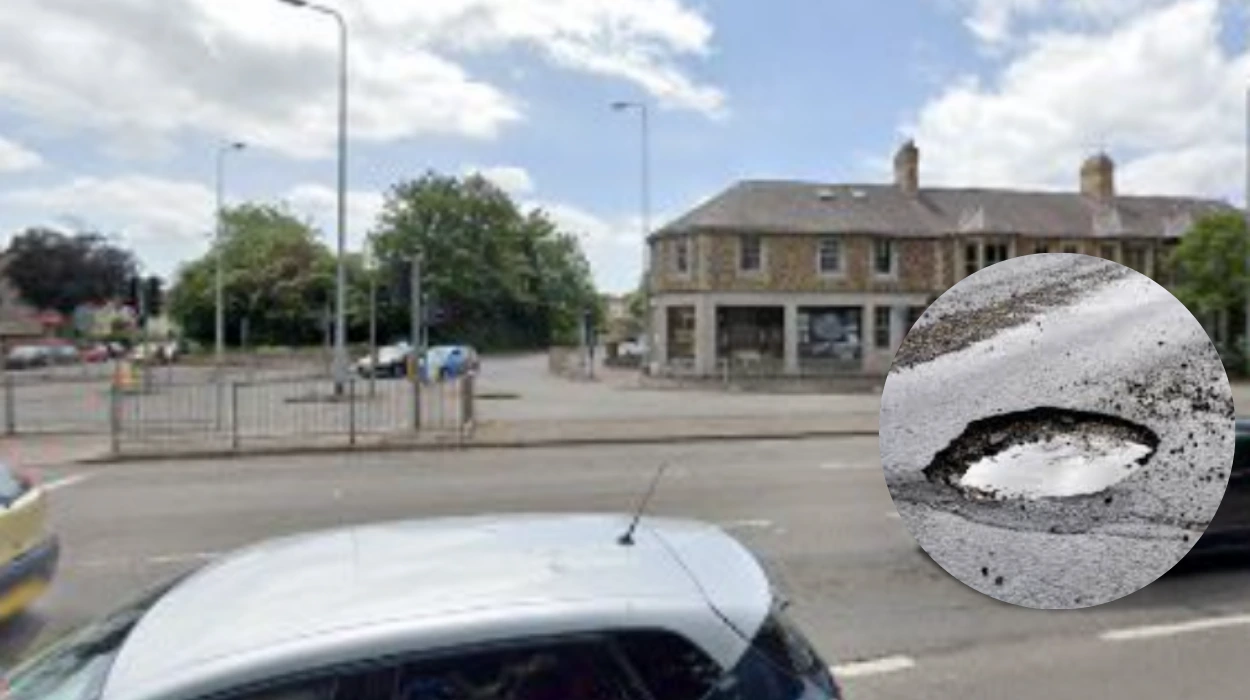
An extra £2 million targets highways, covering potholes, pavements, and signage amid complaints over road conditions.
What Amendments Did Opposition Parties Propose?
During the debate, opposition groups tabled alternatives. As reported by WalesOnline, Liberal Democrat Cllr Joe Carter presented their amendment, proposing a 2.9% tax rise funded by digital efficiencies, staff reductions, and revenue growth. He focused on highways:
“On highways we will increase both revenue and capital spending. Our roads are an embarrassment, everywhere you turn you see crumbling roads and potholes.”
Carter called his amendment “realistic and achievable” and the Labour budget a “pre-election gimmick,” referencing some Labour councillors’ Senedd campaigns.
Cllr Chris Weaver responded, calling the Liberal Democrat amendment “less irresponsible” than the Conservatives’ – which he deemed “on brand” – and lauded Labour’s service investments.
The Conservatives proposed a 1.88% rise via corporate staff efficiencies and better debt recovery.
Liberal Democrat group leader Cllr Rodney Berman attacked the council’s borrowing levels, highlighting debt concerns.
What Other Measures Were Included in the Budget?
The council approved a £1.47 billion capital programme through 2030/31, with £572 million for new council housing and neighbourhood regeneration, £144 million for upgrading existing homes, and £81 million for school upgrades and new builds. This supports projects like the 16,500-capacity indoor arena at Atlantic Wharf.
To manage costs, a net reduction of 64 full-time posts is planned, though specifics on locations remain unclear. Efficiency efforts include smaller offices, energy savings, and decarbonisation over five years.
Background of the Budget Development
This budget follows a public consultation in January 2026, where nearly 2,000 Cardiff residents prioritised education, children’s services, and adult services. The process began with Cabinet discussions, including a February 26 meeting where Cllr Weaver outlined the £22.7m gap and closure strategy. Improved Welsh Government settlements reduced the initial £60m-plus gap from prior years. Labour’s administration, led by Cllr Huw Thomas, emphasised protecting services amid national economic pressures, building on last year’s 4.95% rise.
Prediction: How This Development Can Affect Cardiff Residents
The 3.9% council tax rise will increase annual bills by £59.80 for Band D households, directly impacting household finances from April 1, 2026. Residents in lower bands will see proportionally smaller weekly additions, while higher bands face more. Frontline protections mean sustained or enhanced school funding, child and adult care, benefiting families with children or vulnerable members through no service cuts and targeted increases.
Road improvements may ease daily travel frustrations for drivers, though the £2m allocation addresses only part of widespread pothole issues raised in debate. Capital investments could improve housing options over time for council tenants and support community regeneration. Staff reductions might affect service delivery indirectly if not managed to preserve frontlines, and ongoing efficiencies could stabilise future taxes but risk job losses locally. Overall, the budget aims to balance pressures without major disruptions, though opposition critiques highlight potential debt and road maintenance shortfalls influencing resident satisfaction.