Key Points
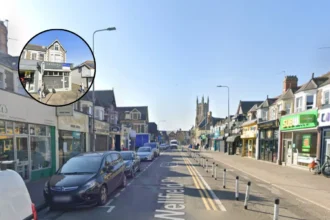
- On 15 April 2026, Aneesa Bhabha, a 25-year-old Cardiff Metropolitan University graduate originally from Canada, and her younger sister were catcalled by a van driver and passenger while walking on Newport Road in Cardiff.
- The men shouted at the women over a large crossing, prompting Aneesa to film the incident on her phone.
- Aneesa captured the vehicle’s number plate and checked it online, discovering it was untaxed, then reported it to the DVLA.
- She posted the video on Instagram and TikTok, captioned “Got harassed in Cardiff but karma had my back” or similar, which garnered over 10 million views and 252,000 likes.
- Aneesa told the BBC that protecting her sister motivated her action, adding “another layer” to the incident.
- She noted that usually catcalling leaves one feeling down, but this time there was accountability.
- DVLA penalties for untaxed vehicles include a £30 fine plus one-and-a-half times any tax owed, rising to £1,000 if unpaid.
- South Wales Police recorded 440 street harassment incidents in 2024, with 214 towards women.
- Social media reactions varied: some praised her bravery and called for male accountability, others deemed it harmless unless physical.
- Aneesa plans to report the men to South Wales Police.
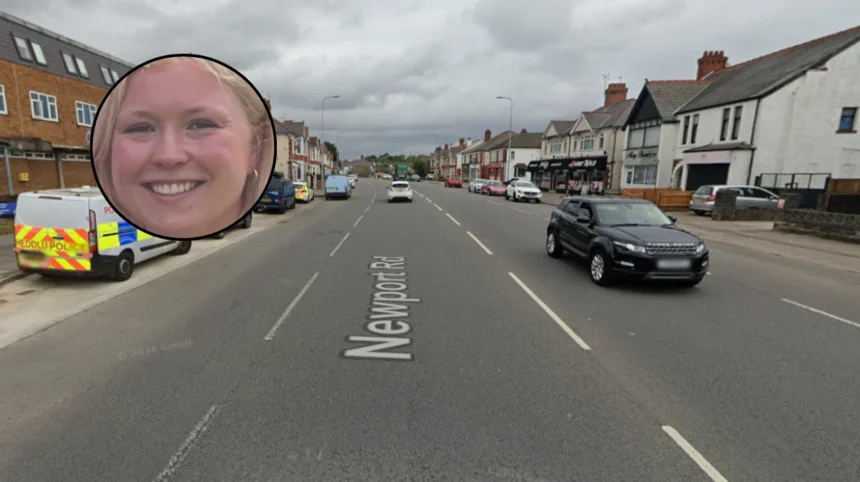
Cardiff (Cardiff Daily) April 30, 2026 – A Cardiff graduate has reported a van driver’s untaxed vehicle to the Driver and Vehicle Licensing Agency (DVLA) following a catcalling incident involving her and her sister on Newport Road.
- Key Points
- What Happened During the Catcalling Incident on Newport Road?
- Why Did Aneesa Decide to Film and Report the Incident?
- How Did Aneesa Discover the Van Was Untaxed?
- What Are the DVLA Penalties for Driving an Untaxed Vehicle?
- How Did Aneesa Share the Incident and What Was the Social Media Response?
- What Do Street Harassment Statistics Show in South Wales?
- What Advice Is Given for Reporting Street Harassment in Cardiff?
- Background of the Development
- Prediction: How This Development Can Affect Women in Cardiff and South Wales
The episode, which occurred on 15 April 2026, involved two men in a white van shouting at the women while they waited at a crossing. Aneesa Bhabha, aged 25 and a recent Cardiff Metropolitan University graduate originally from Canada, began filming upon realising the honking and shouts were directed at them. Her 23-year-old sister was visiting her in the Welsh capital at the time.
What Happened During the Catcalling Incident on Newport Road?
Aneesa initially thought the van’s honking was due to traffic but soon realised it targeted her and her sister. As reported by BBC News, the men leaned out and shouted over the busy crossing. Aneesa documented the number plate during the filming.
The video shows the van driver and passenger engaging in the behaviour while the women crossed Newport Road. According to WalesOnline, Aneesa shared footage of the man shouting at her, along with screenshots of her DVLA report.
Why Did Aneesa Decide to Film and Report the Incident?
Aneesa Bhabha told BBC News that her sister’s presence influenced her response. As reported by BBC News staff, Aneesa stated:
“It adds another layer to it, when you’re protecting someone you love.”
She explained the emotional difference this time. Aneesa said:
“Usually you leave a situation after being catcalled kind of down […] but this time it felt like there was some kind of accountability.”
Protecting her younger sister, who was visiting from abroad, prompted the immediate action of filming.
How Did Aneesa Discover the Van Was Untaxed?
After the incident, Aneesa checked the vehicle’s details online. She found it lacked valid road tax and submitted a report to the DVLA.
WalesOnline detailed that Aneesa ran the licence plate through a database, confirming the untaxed status. She shared screenshots of this process on social media.
What Are the DVLA Penalties for Driving an Untaxed Vehicle?
The DVLA enforces strict rules on vehicle taxation. Driving an untaxed vehicle on public roads incurs a £30 fine, plus one-and-a-half times the tax owed.
Failure to pay escalates the penalty to £1,000, with potential criminal proceedings. As per DVLA policy, these measures ensure compliance with vehicle tax requirements.
How Did Aneesa Share the Incident and What Was the Social Media Response?
Aneesa posted the video on Instagram and TikTok. The Instagram post, captioned “Thank god for instant karma” or “Got harassed in Cardiff but karma had my back,” achieved 10 million views and 252,000 likes.
The Tab reported the post’s virality, noting seven million views on one platform. Commenters praised her, with calls for men to hold each other accountable.
One user commented:
“It’s harmless, just carry on with your day. If he touches you that’s a whole other ball game.”
Others congratulated her bravery.
Aneesa intends to report the driver and passenger to South Wales Police.
What Do Street Harassment Statistics Show in South Wales?
South Wales Police data indicates 440 street harassment reports in 2024, 214 targeting women. This highlights the prevalence of such incidents locally.
Broader UK figures from the Office for National Statistics (ONS) show police recorded 620,861 stalking and harassment offences in the year ending June 2024, though down 11% overall due to malicious communications decreases. Stalking rose 12% to 132,912, and harassment 11% to 293,493.
The Crime Survey for England and Wales (CSEW) found 8.9% of adults experienced some harassment.
What Advice Is Given for Reporting Street Harassment in Cardiff?
South Wales Police encourages reporting street harassment via their online form. Aneesa’s actions provide an example of documenting and acting on such incidents.
For Cardiff and South Wales, victims should contact South Wales Police directly.
Background of the Development
Street harassment, including catcalling, remains a persistent issue in urban areas like Cardiff. Aneesa Bhabha’s case builds on prior awareness efforts, such as the 2021 #ChalkBack campaign by midwifery students who chalked statistics and stories on Cardiff streets to highlight harassment. South Wales Police’s 2024 figures of 440 reports underscore ongoing challenges, with nearly half affecting women. DVLA enforcement has long targeted untaxed vehicles, with policies unchanged, providing a mechanism for public reports. Social media virality, as seen here with millions of views, amplifies individual responses to everyday harassment.
Prediction: How This Development Can Affect Women in Cardiff and South Wales
This development can encourage women facing street harassment in Cardiff and South Wales to document incidents and pursue accountability through filming and official reports. It demonstrates practical steps like number plate checks leading to DVLA action, potentially deterring similar behaviour by associating catcalling with tangible consequences. Greater awareness from the video’s 10 million views may increase reporting to South Wales Police, building on 2024’s 440 cases, and foster community discussions on male accountability. Women may feel empowered to protect themselves and others, as Aneesa did for her sister, shifting post-incident emotions from distress to agency. However, varied social media opinions highlight ongoing debates on what constitutes actionable harassment. Overall, it provides a replicable model for response without physical confrontation.