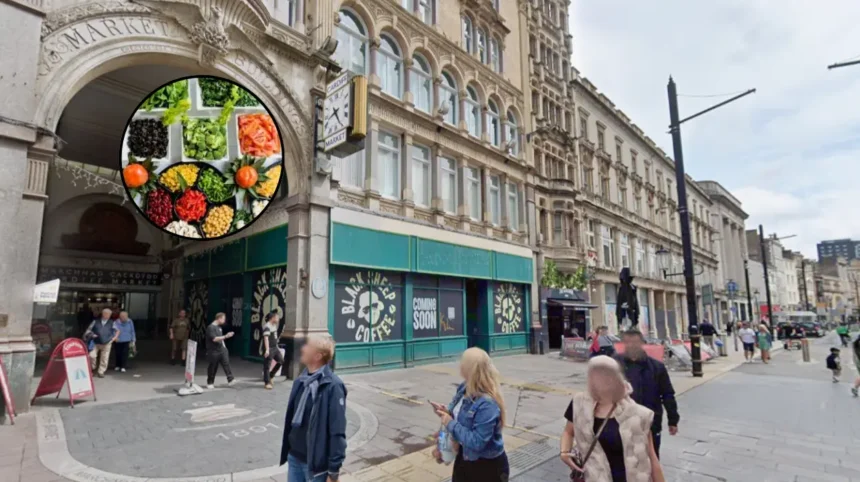
Key Points
- Market over Supermarket: Cardiff Central Market is identified as the primary destination for cost-effective, high-quality produce compared to local convenience stores.
- The “Cathays Budget” Crisis: With rising costs of socialising and iced coffee on Salisbury Road, student finances are increasingly strained during the revision season.
- Locally Sourced Value: Welsh lamb mince and seasonal vegetables from independent stalls offer significant savings over “Express” supermarket models.
- Elevated Outdoor Dining: Strategic shopping at traditional fishmongers and butchers allows students to host sophisticated barbecues on a minimal budget.
Cathays (Cardiff Daily) May 14, 2026 — As the summer sun finally settles over the terraced streets of Cathays, Cardiff’s student population is facing the perennial challenge of balancing a desire for seasonal alfresco dining against the stark reality of dwindling bank balances. With revision sessions shifting from the library to the lawns of Bute Park, a new movement toward “budget gastronomy” is taking hold, prioritising local heritage markets over the convenience of high-street supermarket chains.
- Key Points
- How can Cardiff students avoid the “Tesco Express” price trap?
- Why is Cardiff Central Market the preferred choice for student budgets?
- Can local sourcing improve the “Bute Park Picnic” experience?
- Background of Student Financial Trends in Cardiff
- Prediction: How will this shift affect the Cardiff student community?
How can Cardiff students avoid the “Tesco Express” price trap?
According to reporting by the lifestyle desk at The Cardiff Tab, the financial pressure on students often stems from a reliance on convenience.
The report highlights that while a “Tesco Express” might charge upwards of £3.50 for a single punnet of strawberries and a solitary avocado, these prices are significantly inflated compared to the city’s traditional trading hubs.
By shifting purchasing habits away from Salisbury Road convenience hubs and toward the city centre, students are finding they can maintain a high standard of living even as their maintenance loans reach their limit.
Why is Cardiff Central Market the preferred choice for student budgets?
In a comprehensive guide to summer subsistence, it is noted that Cardiff Central Market on St Mary Street remains the “epicentre of value” for the city’s youth.
The Victorian structure houses a variety of independent traders who operate on margins that undercut major retailers.
As documented in the South Wales Echo food and drink segments, the market’s appeal lies in its diversity of fresh produce:
- Local Butchers: Offering Welsh lamb mince and poultry at “next to nothing” compared to pre-packaged supermarket equivalents.
- Vegetable Stalls: Providing seasonal greens and fruits that bypass the plastic packaging and premium pricing of “ready-to-eat” store ranges.
- Traditional Fishmongers: Enabling students to purchase fresh prawns and seafood that elevate a standard “disposable BBQ” into a more sophisticated dining experience.
Can local sourcing improve the “Bute Park Picnic” experience?
The trend of “revision picnics” in Bute Park has become a staple of the Cardiff academic calendar. However, the cost of these social gatherings often fluctuates based on where the supplies are sourced.
Journalism from WalesOnline social contributors suggests that the “emotional unavailability” of expensive, under-ripe supermarket produce is a common grievance among the student demographic.
By sourcing from the market, students are not only supporting the local economy but are also accessing produce that is often fresher and more suited to immediate consumption under the summer sun.
Background of Student Financial Trends in Cardiff
The shift toward market-based shopping comes amidst a broader economic backdrop where the “Cost of Living” crisis continues to disproportionately affect those in higher education.
Cardiff, while historically one of the more affordable UK cities for students, has seen a sharp rise in the cost of “small luxuries”—specifically the iced coffees and artisan snacks found on Salisbury Road and throughout the Cathays area.
Historically, Cardiff Central Market has served the local working-class population since the 19th century. Its recent “rediscovery” by the student population marks a shift in consumer behaviour, moving away from the convenience-first model of the early 2010s and back toward a more traditional, “zero-waste,” and budget-conscious method of grocery shopping. This development is also linked to a growing interest in Welsh provenance, with students showing a preference for Welsh lamb and locally grown produce over imported supermarket goods.
Prediction: How will this shift affect the Cardiff student community?
This development is likely to foster a more resilient and culinarily skilled student population in the Welsh capital. As more students migrate their spending from international supermarket chains to the stalls of Cardiff Central Market, we can expect a revitalisation of the city centre’s independent trade sector.
For the student audience, this shift will likely result in:
- Improved Nutritional Standards: Access to cheaper, fresh whole foods rather than processed convenience meals will likely have a positive impact on student health during the stressful exam period.
- Financial Longevity: By saving an estimated 30–40% on weekly groceries, students will have more disposable income for essential academic resources or travel, reducing the “end-of-term” financial drought.
- Community Integration: Increased footfall from the student “bubble” of Cathays into the historic city centre markets will bridge the gap between the university population and the permanent residents of Cardiff, fostering a more cohesive city identity.
If this trend continues, Salisbury Road retailers may be forced to introduce “student-friendly” pricing or loyalty schemes to compete with the sheer value offered by the St Mary Street traders.