Key Points
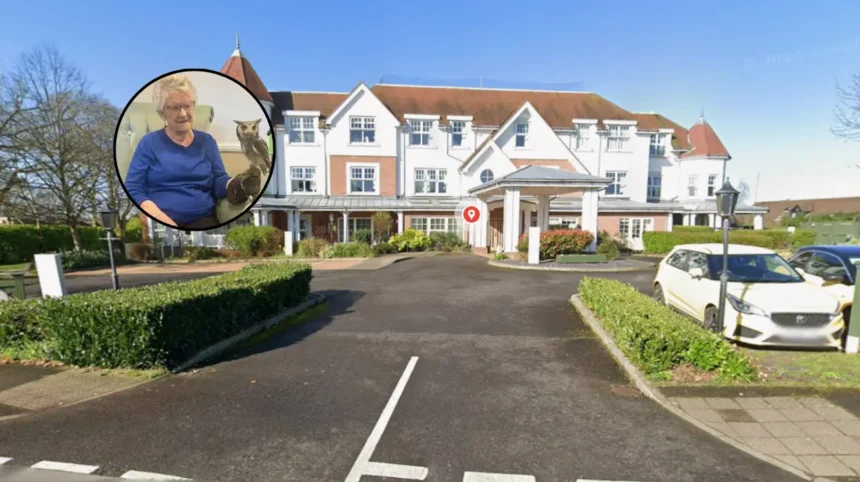
- Residents at Care UK’s Llys Cyncoed on Cyncoed Road in Cardiff took part in a birds of prey visit delivered by Falconry UK.
- The session included a white-faced owl, a Verreaux Milky Eagle owl and a blue-winged kookaburra.
- Residents were able to meet, hold and interact with the birds during the visit.
- The falconer gave a talk about each species, their characteristics and how they hunt in the wild.
- Resident Dewi Thomas said the experience was “absolutely fascinating” and described being close to the owl as “incredible”.
- Home Manager Carley Hunt said animal therapy helps residents, including those living with dementia, by reducing anxiety and building confidence.
- The visit formed part of Llys Cyncoed’s ongoing animal therapy programme.
Cardiff (Cardiff Daily) June 8, 2026 – Care UK’s Llys Cyncoed care home on Cyncoed Road welcomed Falconry UK for a birds of prey session that gave residents the chance to meet and handle several birds, including a white-faced owl, a Verreaux Milky Eagle owl and a blue-winged kookaburra, with the home saying the activity is part of its animal therapy programme. The report was published on 8 January 2025 by the home’s news release, and it highlighted both residents’ reactions and staff comments on the value of the visit.
What happened at Llys Cyncoed?
Residents at the Cardiff care home were given a close-up experience with birds of prey as part of a special talk from Falconry UK.
The session allowed people living at the home to learn about the birds, hold them and interact with them in a supervised setting. The release said the falconer explained the birds’ characteristics and the ways they hunt in the wild.
The birds mentioned in the visit included a white-faced owl, a Verreaux Milky Eagle owl and a blue-winged kookaburra. The care home said the event was designed to offer residents an engaging and enjoyable experience while also supporting wellbeing through animal therapy.
What did residents say?
Dewi Thomas, a resident at Llys Cyncoed, said the talk was “absolutely fascinating” and said he or she learnt a lot from it. Thomas also said it was “an amazing experience” and described the opportunity to be up close with the owl as “incredible”.
The resident’s comments suggest the visit was not only entertaining but also educational, with the talk helping residents learn more about the birds and their behaviour. The release presents the interaction as a memorable moment for those taking part.
What did the home manager say?
Carley Hunt, Home Manager at Llys Cyncoed, said it was “lovely” to welcome Falconry UK to the home and to give residents a unique opportunity to experience the birds up close. Hunt added that everyone learnt something new during the visit and
Hunt also said it is heartwarming to see residents so engaged and present during these kinds of visits. She said animal therapy has significant benefits for older people, especially those living with dementia, because such interactions can help reduce anxiety and build confidence.
Why was the visit organised?
The visit was part of Llys Cyncoed’s ongoing animal therapy programme. The home said this programme is intended to help residents lead fulfilling lives through meaningful activities and contact with animals.
The use of animal therapy in care settings is presented here as a way of creating calm, positive engagement for residents. In this case, the birds of prey visit combined education, interaction and sensory experience in one activity.
Why does animal therapy matter?
Animal-assisted activities are often used in care homes because they can create conversation, reduce isolation and provide a calm focus for residents. In this case, the care home linked the activity specifically to benefits for people living with dementia, including reduced anxiety and greater confidence.
The report does not claim medical treatment or measurable outcomes from the session, but it does show how care homes use structured visits to support emotional wellbeing. The emphasis was on engagement, enjoyment and connection rather than on clinical intervention.
Background to the development
Llys Cyncoed is a Care UK home, and the visit by Falconry UK fits into a wider pattern of care-home activities that use animals to enrich daily life for residents. The report frames this as part of a continuing programme rather than a one-off event.
Falconry visits are often chosen for their novelty and the strong visual and sensory appeal of birds of prey. In this case, the combination of handling birds and hearing a guided talk appears to have been central to the experience described by both the resident and the home manager.
Explore More Local Cardiff News
Cardiff Crossrail Tram-Train Construction Begins in Cardiff 2026
Senedd Secures Landmark Deal for Tŷ Hywel Offices Cardiff Bay 2026
What could this mean for residents?
For residents at Llys Cyncoed, the development is likely to mean more opportunities for structured social engagement and memory-friendly activities. The home’s comments suggest that animal-based events may continue to be used to support residents’ confidence, reduce anxiety and encourage participation.
For older adults more broadly, especially those living with dementia, the visit shows how non-clinical activities can still play an important role in day-to-day wellbeing. It also suggests that care homes may keep using similar events because they offer a simple way to create positive shared experiences without relying on large-scale changes.