Key Points
- Cardiff University will host the British Congress of Optometry and Vision Science (BCOVS) 2026 on 14–15 September 2026 at the Haydn Ellis Building in Cardiff, Wales
- The two-day conference will feature in-person presentations on optometry, ophthalmology, and vision science, with hybrid/virtual attendance available for some sessions
- Professor Omar Mahroo, University College London professor of retinal neuroscience and consultant, and Dr Aline Bompas, Cardiff University reader and director of research, are confirmed as keynote speakers
- Dr Angharad Hobby, lecturer at Cardiff University’s School of Optometry and Vision Sciences, stated the conference brings together professionals to network, share ideas, meet collaborators, and support researchers in an inclusive environment
- The event serves both academics and practicing optometrists, with attendees able to gain CPD points while keeping up with latest research and clinical developments
- Hybrid attendance has been reintroduced this year to provide flexible participation for delegates with other commitments, while still obtaining CPD points
- Dr Hobby has attended majority of BCOVS events since starting her research degree 12 years ago and assisted with organisation on three events
- BCOVS is known for its friendly, supportive, and inclusive environment, particularly beneficial for those attending alone or presenting for the first time
- The 2024 BCOVS was held at City St George’s University in London, and the 2025 congress took place at Glasgow Caledonian University in Scotland
- Abstract submission deadline for BCOVS 2026 is 30 June 2026, with the event located at Haydn Ellis Building, Cardiff University, Wales
Cardiff (Cardiff Daily) June 11, 2026 – Cardiff University has officially confirmed it will host the annual British Congress of Optometry and Vision Science (BCOVS) 2026, bringing together professionals from across the UK and beyond for a two-day event focused on optometry, ophthalmology, and vision science research.
- Key Points
- When and Where Will BCOVS 2026 Take Place?
- Who Are the Confirmed Keynote Speakers for BCOVS 2026?
- How Will Hybrid Attendance Benefit Conference Attendees?
- What Makes BCOVS Different From Larger Conferences?
- How Has Dr Hobby Contributed to BCOVS Over the Years?
- Where Has BCOVS Been Hosted in Previous Years?
- What Are the Registration Details for BCOVS 2026?
- Why Is Cardiff University Hosting This Significant Optometry Conference?
- Effect on Practicing Optometrists Seeking CPD Points
- Influence on Academic Collaboration and Research Networks
- Impact on Cardiff University’s Optometry Program Visibility
- Broader Effect on the UK Optometry Profession
As reported by Dr Angharad Hobby, lecturer at Cardiff University’s School of Optometry and Vision Sciences, in an interview with OT (Optometry Today),
“The purpose of BCOVS is to bring together professionals with shared interests in the subject of optometry and vision science, to allow them to network, share ideas, meet collaborators and support early career and established researchers in a truly inclusive environment”.
When and Where Will BCOVS 2026 Take Place?
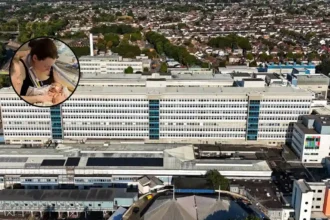
The annual conference will take place at Cardiff University from 14–15 September 2026, specifically at the Haydn Ellis Building in Cardiff, Wales.
The two-day event will feature a range of presentations presented in person, with virtual attendance available for some sessions through a hybrid attendance model.
As documented on the official BCOVS website, the conference format includes in-person attendance with hybrid elements reintroduced this year, allowing interested persons to attend and engage with aspects of the event digitally while still obtaining CPD points.
Who Are the Confirmed Keynote Speakers for BCOVS 2026?
Cardiff University reader and director of research, Dr Aline Bompas, and University College London professor of retinal neuroscience, Omar Mahroo, have been confirmed as keynote speakers at BCOVS 2026. As announced by Dr Angharad Hobby on LinkedIn on 8 June 2026,
“Delighted to announce that Professor Omar Mahroo and Dr Aline Bompas will be our Keynote Speakers at BCOVS 2026! Prof Mahroo is a consultant”.
Professor Omar Mahroo holds the position of Professor of Retinal Neuroscience at University College London and is also a consultant at Moorfields Eye Hospital, London, with over 4,104 citations according to his scholarly profile.
How Will Hybrid Attendance Benefit Conference Attendees?
Dr Angharad Hobby explained the hybrid element’s reintroduction:
“We are bringing back the hybrid element of the conference this year, so that interested persons may attend and engage with aspects of the event digitally, while still obtaining CPD points”.
She added that
“This is particularly popular with delegates who need a more flexible approach to attendance due to other commitments”.
The hybrid format addresses accessibility concerns for professionals who cannot attend in person full-time. According to OT, the majority of attendees at the annual event are optometry or ophthalmology academics, but BCOVS also presents an opportunity for optometrists working in practice to gain CPD points and keep up to date with the latest research and clinical developments.
What Makes BCOVS Different From Larger Conferences?
Dr Hobby told OT that she appreciates the friendly, supportive atmosphere of BCOVS:
“Larger conferences can be a little nerve wracking if you’re attending by yourself or presenting for the first time, but BCOVS is known for always providing a supportive and inclusive environment”.
The official BCOVS key information page confirms the conference is
“famed for being friendly and supportive for early career researchers”.
This inclusive environment has been a consistent feature across previous BCOVS events. The 2025 British Congress of Optometry and Vision Science at Glasgow Caledonian University in Scotland discussed the latest developments in visual science and brought together researchers from optometry, orthoptics, ophthalmology, vision science, and psychology.
How Has Dr Hobby Contributed to BCOVS Over the Years?
Hobby has attended the majority of BCOVS events since she started her research degree 12 years ago, assisting with organisation on three of these events. Her长期 involvement demonstrates the conference’s value to career development in the profession.
As Hobby reflected on her experience:
“BCOVS gave me the opportunity to network with new and established professionals which led to the commissioning of my first CPD article, and meeting several other collaborators”.
She added,
“The annual event also led to me meeting other researchers and clinicians who’ve since become wonderful collaborators and friends. My hope is that this can continue for others in the profession as BCOVS continues to grow and support the profession”.
Dr Angharad Hobby currently serves as Optometry Programme Lead and Senior Lecturer at UWE Bristol, holding qualifications including PhD, BSc(Hons), MCOptom, Prof Cert Glauc, and AFHEA.
Explore More Local Cardiff News
Vue Cardiff Cinema Closure Stadium Plaza 2026 Cardiff
Go Local opens in Cardiff with Parfetts backing — Cardiff 2026
Where Has BCOVS Been Hosted in Previous Years?
The BCOVS conference rotates annually among different UK universities housing optometry degree courses that are members of the Optometry Schools Council.
The 2024 British Congress of Optometry and Vision Science took place at City St George’s University in London, while the 2025 congress was held at Glasgow Caledonian University in Scotland from 1–2 September 2025.
Previous locations include the University of Manchester (11–12 September 2019), Aston University in Birmingham (12–13 September 2022), and Glasgow Caledonian University (1–2 September 2025).
What Are the Registration Details for BCOVS 2026?
While specific 2026 registration fees have not yet been published, the 2025 BCOVS at Glasgow Caledonian University had registration fees of £65 for academics and professionals, £45 for PhD candidates, Prof D candidates, and Postdocs, and £25 for students at MSc/MOptom/BSc level. This fee covered attendance and refreshments including lunch on both days.
The 2025 conference also offered an optional social event including dinner on the evening of 1 September at an additional £50. Abstract submission for 2025 opened on 1 June and closed on 25 July, with author notifications sent on 1 August.
Why Is Cardiff University Hosting This Significant Optometry Conference?
Cardiff University’s School of Optometry and Vision Sciences has established itself as a leading institution in the field, making it a natural choice for hosting this prestigious annual congress. The university’s reader and director of research, Dr Aline Bompas, serving as a keynote speaker, demonstrates the institution’s research strength in optometry and vision science.
The Haydn Ellis Building at Cardiff University will serve as the venue, providing appropriate facilities for the two-day event with presentations on topics related to optometry, ophthalmology, and vision science.
Background of the BCOVS Conference Development
The British Congress of Optometry and Vision Science (BCOVS) is an annual conference that usually takes place at one of the UK universities that house an optometry degree course and are members of the Optometry Schools Council. The central idea behind BCOVS is that researchers at universities have the opportunity to present their findings in a constructive environment.
The conference serves as a place for sharing optometry and vision science research, encompassing a wide range of interests and specialisms.
It is famed for being friendly and supportive for early career researchers, distinguishing it from larger, more intimidating conferences.
The event brings together researchers from the fields of optometry, orthoptics, ophthalmology, vision science, and psychology, creating a multidisciplinary forum for visual science developments. Attendance incurs a registration fee that covers attendance and refreshments including lunch on both days, with optional social events available.
The conference has continued growing annually, with each host university bringing its unique characteristics while maintaining the core values of inclusivity and support for researchers at all career stages.
Prediction: How BCOVS 2026 at Cardiff Will affect Optometry Professionals and Researchers
The reintroduction of hybrid attendance at BCOVS 2026 will significantly benefit early career researchers who may face financial or logistical barriers to full in-person attendance. As Dr Hobby noted, the hybrid element is
“particularly popular with delegates who need a more flexible approach to attendance due to other commitments”.
This flexibility allows PhD candidates and postdocs to access cutting-edge research while managing limited budgets, as registration fees for these categories (£45 in 2025) are substantially lower than for established professionals.
The supportive environment at BCOVS, described as
“always providing a supportive and inclusive environment”
compared to nerve-wracking larger conferences, will continue to encourage first-time presenters to share their research. Dr Hobby’s own experience demonstrates this impact:
“BCOVS gave me the opportunity to network with new and established professionals which led to the commissioning of my first CPD article”.
Effect on Practicing Optometrists Seeking CPD Points
For optometrists working in practice rather than academia, BCOVS 2026 provides a crucial opportunity to gain CPD points while keeping up with latest research and clinical developments.
The hybrid format specifically addresses the challenge practicing optometrists face in balancing conference attendance with clinical responsibilities.
As Hobby explained, the hybrid element allows practitioners to
“attend and engage with aspects of the event digitally, while still obtaining CPD points”.
This means practicing optometrists can access important clinical developments without requiring full-time absence from their workplaces, potentially increasing attendance among this demographic.
Influence on Academic Collaboration and Research Networks
The networking opportunities at BCOVS 2026 will likely generate new research collaborations, as demonstrated by Hobby’s experience where the event led to
“meeting other researchers and clinicians who’ve since become wonderful collaborators and friends”.
The presence of keynote speakers Professor Omar Mahroo from UCL and Dr Aline Bompas from Cardiff itself will attract researchers from across the UK, creating opportunities for cross-institutional partnerships.
Professor Mahroo’s expertise in retinal neuroscience, with over 4,104 citations in his field, will provide attendees with access to cutting-edge research in retinal electrophysiology and inherited retinal diseases. This exposure can influence research directions and collaboration opportunities for attending academics.
Impact on Cardiff University’s Optometry Program Visibility
Hosting BCOVS 2026 at Cardiff University will increase the visibility of Cardiff’s School of Optometry and Vision Sciences within the national optometry community. With Dr Aline Bompas, the university’s reader and director of research, serving as a keynote speaker, the event showcases Cardiff’s research leadership in the field.
This increased visibility may attract prospective students to Cardiff’s optometry degree course and strengthen the university’s position within the Optometry Schools Council.
The event’s success could also influence future funding decisions and research partnerships for Cardiff’s optometry program.
Broader Effect on the UK Optometry Profession
As BCOVS continues to grow and support the profession, Hobby’s hope that “this can continue for others in the profession as BCOVS continues to grow”, the 2026 conference will contribute to maintaining high standards across UK optometry.
The multidisciplinary nature of the conference, bringing together optometry, orthoptics, ophthalmology, vision science, and psychology researchers, ensures that professionals gain comprehensive understanding of vision science developments.
The CPD points available at the event help maintain professional standards among practicing optometrists, ensuring they remain updated with clinical developments. This contributes to overall patient care quality across the UK optometry sector.
The flexible attendance options will likely increase overall participation rates, expanding the conference’s impact on the profession compared to previous years with only in-person attendance requirements.