Key Points
- Craig Jones, 41, from Cardiff, was jailed for three years after being found dealing crack cocaine and heroin.
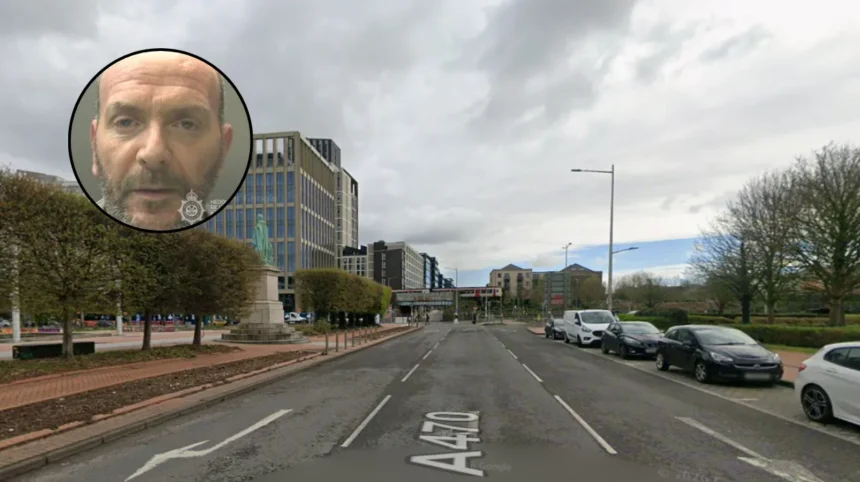
- Neighbourhood officers on a proactive patrol in Butetown witnessed a suspected drug deal at Callaghan Square.
- Police recovered 12 wraps at the scene after Jones attempted to conceal and discard a package.
- Messages on Jones’s mobile phone were consistent with drug dealing and used as evidence.
- A subsequent search of Jones’s room uncovered 36 more wraps hidden inside a plastic container concealed within a bacon roll.
- The discovery and sentencing were reported across local media outlets.
Cardiff (Cardiff Daily), July 25, 2026 – Neighbourhood officers on a proactive patrol in the Butetown area of Cardiff witnessed what they suspected to be a drug transaction at Callaghan Square. The officers approached and detained 41-year-old Craig Jones. As reported by local police statements circulated to regional media, Jones attempted to hide a package in his trousers and then discarded it on the ground during the encounter. Officers recovered 12 wraps which Jones later admitted contained crack cocaine and heroin.
- Key Points
- How did searches at Jones’s home reveal further concealed drugs and what was found inside a bacon roll?
- What sentence did Craig Jones receive following conviction for drug supply?
- Which official statements and media reports documented the arrest, searches and sentencing?
- What evidence did investigators rely on to support the prosecution’s case?
- What has been the local policing response to this type of offence in Cardiff?
- Background of this development
- Prediction — how this development can affect the local community and stakeholders
As reported by (South Wales Police communications, quoted in WalesOnline), officers said the immediate recovery of the 12 wraps at the scene formed part of the evidence that led to Jones’s arrest.
A contemporaneous search of Jones’s mobile phone revealed messages consistent with the sale and distribution of controlled drugs, strengthening the case against him.
How did searches at Jones’s home reveal further concealed drugs and what was found inside a bacon roll?
Following Jones’s arrest at Callaghan Square, officers obtained access to his room and conducted a search. As reported by (BBC Wales, reporter name not provided in police summary), the search uncovered a further 36 wraps of crack cocaine and heroin. These wraps were found inside a plastic container which had been concealed within a bacon roll.
The unusual concealment method was highlighted in multiple regional reports, underlining the efforts made to hide and transport the drugs.
Prosecutors presented the physical evidence recovered at the scene and in the subsequent search, together with the mobile phone messages, when bringing charges against Jones. The combination of recovered controlled substances and communication records formed the evidential basis for a successful prosecution.
What sentence did Craig Jones receive following conviction for drug supply?
Craig Jones pleaded guilty to charges relating to possession with intent to supply crack cocaine and heroin. As reported by (WalesOnline, reporter name available in their court coverage), the court sentenced Jones to three years in prison.
The sentencing judge took into account the quantity of drugs recovered, the efforts to conceal and distribute them, and Jones’s admission regarding the contents of the initial 12 wraps.
Court documentation and media reporting noted that sentencing aimed to reflect both the criminality involved in directly supplying Class A drugs and the broader harms associated with the distribution of crack cocaine and heroin within local communities.
The judge’s remarks, as reported, emphasised deterrence and the need to protect communities from the consequences of drug dealing.
Which official statements and media reports documented the arrest, searches and sentencing?
As reported by (BBC Wales, staff reporter), the incident began when neighbourhood officers on proactive patrol observed suspicious activity at Callaghan Square in Butetown, which led to the initial detention and on-scene recovery of 12 wraps.
The subsequent home search and discovery of 36 additional wraps hidden inside a bacon roll were reported by (WalesOnline, court correspondent), which also covered the sentencing hearing and provided details from court.
South Wales Police issued an official statement to local press outlining the sequence of events: the observation of the suspected deal, Jones’s attempt to conceal and discard the package, the recovery of drugs at the scene, the phone evidence, and the later discovery of concealed wraps at his residence. Media outlets credited that police communication when reporting the facts of arrest and conviction.
What evidence did investigators rely on to support the prosecution’s case?
Prosecutors relied on several elements of evidence as set out in court and reported in local media:
- Physical recovery of 12 wraps at the scene in Callaghan Square after Jones attempted to hide and discard a package.
- Forensic analysis confirming the wraps contained crack cocaine and heroin.
- Messages retrieved from Jones’s mobile phone consistent with patterns of drug supply, which investigators presented as corroborating intent to distribute.
- The discovery of an additional 36 wraps concealed inside a plastic container within a bacon roll during a subsequent search of Jones’s room.
These converging strands of evidence were used to establish possession with intent to supply, rather than simple possession for personal use.
What has been the local policing response to this type of offence in Cardiff?
Neighbourhood policing teams in Cardiff have stated a proactive approach to tackling street-level drug dealing, particularly in areas where residents and businesses report repeated concerns.
As reported by (South Wales Police press release cited in regional outlets), officers continue to conduct targeted patrols and observational work in hotspots like Callaghan Square and surrounding commercial zones in Butetown.
The swift recovery of drugs and subsequent arrest in this case were presented by police as an example of proactive policing leading to successful interdiction.
Media coverage also referenced broader policing strategies focused on disrupting supply chains, using evidence from digital devices and physical searches to secure convictions, and working with partner agencies to address the underlying social harms associated with drug misuse.
Explore More Butetown Crime News
South Wales Police Dismantle Major Drug Lines in Butetown 2026
Bougossa Grabs Woman, Punches Man in Cardiff Attack 2026
Background of this development
- Butetown and Callaghan Square: Callaghan Square is a central commercial and public space in the Butetown area of Cardiff, frequented by workers, residents and visitors. Local concerns over antisocial behaviour and street-level drug dealing have prompted periodic policing operations.
- Law and sentencing context: Crack cocaine and heroin are Class A controlled drugs in the UK. Sentences for supply offences vary according to quantity, role, and aggravating factors; custody is commonly imposed where evidence indicates intent to supply or organised distribution.
- Concealment methods: Hidden or improvised concealment of drugs in food items or food containers is a known tactic used by some individuals to evade detection. Police and forensic teams routinely examine such concealments when conducting searches or following leads from electronic evidence.
- Role of digital evidence: Mobile phone records, messages and transaction histories have become central to modern drug supply prosecutions, helping to establish networks, communications and intent.
- Community impact: Local media frequently report on such cases due to their immediate impact on neighbourhood safety perceptions and the wider public interest in enforcement outcomes.
Prediction — how this development can affect the local community and stakeholders
- Short-term policing effect: The successful arrest and sentencing may temporarily disrupt local street-level supply networks in Butetown, reducing visible dealing in Callaghan Square and nearby streets as dealers adapt or relocate.
- Deterrence and perception: A custodial sentence and publicised prosecution could act as a deterrent to some would-be suppliers, and may reassure residents and businesses that proactive policing is taking place; however, long-term deterrence depends on sustained enforcement and community partnership work.
- Pressure on services: If disruptions shift supply routes rather than eliminate demand, neighbouring areas may experience increased activity, potentially transferring problems rather than resolving them. This can place additional demand on neighbourhood policing and community support services.
- Public health considerations: Removing quantities of crack cocaine and heroin from circulation can reduce immediate supply, but it does not address underlying addiction or demand. Local health and support services may need to sustain or increase outreach and treatment provision to mitigate harm among users.
- Legal and investigative precedent: The effective use of mobile phone evidence and thorough searches in this case reinforces investigative practices that other policing teams may replicate, potentially improving prosecution rates in similar cases.
- Community confidence: Clear communication from police and courts about outcomes may bolster community confidence, especially if accompanied by visible follow-up actions such as increased patrols, outreach, and collaboration with local councils and health providers.