Key Points
- Data compiled by local government transparency watchdog Local Democracy UK reveals that only 13 out of 79 Cardiff councillors maintained a 100 per cent attendance record between May 2025 and May 2026.
- A total of 17 elected members turned up to less than 75 per cent of the meetings they were required to attend during the 12-month period.
- Riverside ward representative Caro Wild recorded the lowest attendance across the entire local authority at 37 per cent, followed by Conservative councillor Siân-Elin Melbourne at 47 per cent and Labour councillor Claudia Boes at 50 per cent.
- Cardiff councillors earned a basic allowance of £19,771 during the period covered by the data, which has since risen to £21,044 per year, with additional remuneration provided for senior roles.
- Despite individual low scores, Cardiff Council achieved an overall average attendance rate of 86 per cent, ranking 51st out of 274 local authorities across the United Kingdom.
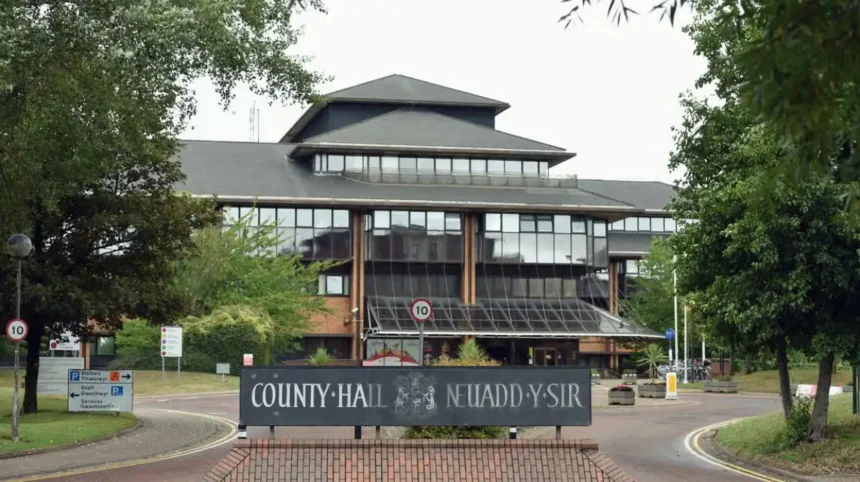
Cardiff (Cardiff Daily) September 4, 2026 – Only 13 of Cardiff Council’s 79 elected representatives attended every scheduled meeting over a 12-month period, according to figures published by local government transparency watchdog Local Democracy UK.
- Key Points
- Which Councillors Recorded the Lowest Attendance Rates?
- How Have Political Leaders and Parties Responded to the Data?
- How Do Attendance Figures Vary Across Council Committees?
- Background of the Councillor Attendance Figures
- Prediction: How This Development May Affect Local Residents and Taxpayers
The attendance records, covering official proceedings between May 2025 and May 2026, show that 17 councillors in the Welsh capital turned up to less than three-quarters of the formal meetings they were designated to attend. Figures confirm that Cardiff councillors were entitled to a basic salary allowance of £19,771 during the period monitored, a figure that has since increased to £21,044 per annum, alongside supplementary allowances for cabinet members, committee chairs, and party leaders.
The lowest individual attendance record was registered by Councillor Caro Wild, a Welsh Labour representative for the Riverside ward, who attended 37 per cent of his required meetings.
Conservative councillor Siân-Elin Melbourne, representing Lisvane and Thornhill, recorded the second-lowest figure at 47 per cent, whilst Welsh Labour councillor Claudia Boes, representing Fairwater, attended 50 per cent of designated sessions.
Across the entire authority, Cardiff Council maintained an average attendance rate of 86 per cent, placing it 51st out of 274 local authorities monitored across the UK by Local Democracy UK. Within Wales, Cardiff ranked third overall, behind Monmouthshire Council (92 per cent) and Merthyr Tydfil County Borough Council (88 per cent).
Which Councillors Recorded the Lowest Attendance Rates?
As reported by journalist Kieran Molloy of Wales Online, Councillor Caro Wild stated that: “I have attended every full council meeting for the past four years (other than one or two when I have had a family emergency).
With regards committee meetings, I have been unable to attend as they clash with work commitments. I meet with residents and community groups on a weekly basis as well as keeping in touch with residents via email and phone daily. We also hold advertised local ward surgeries for residents to attend.”
According to findings released by Local Democracy UK, three representatives logged attendance rates of 50 per cent or lower:
- Councillor Caro Wild (Welsh Labour – Riverside): 37 per cent attendance rate.
- Councillor Siân-Elin Melbourne (Welsh Conservatives – Lisvane and Thornhill): 47 per cent attendance rate.
- Councillor Claudia Boes (Welsh Labour – Fairwater): 50 per cent attendance rate.
At the opposite end of the spectrum, 13 members achieved a 100 per cent attendance record across all required meetings. Among those attaining perfect attendance were Liberal Democrat councillors Dan Naughton and Robert Hopkins, alongside Labour councillor Lexi Pocknell.
How Have Political Leaders and Parties Responded to the Data?
In statements provided following the release of the metrics, party representatives emphasised the broader commitments involved in council duties beyond committee room presence.
As reported by Kieran Molloy of Wales Online, Conservative group leader at Cardiff Council, Councillor John Lancaster, stated via the Local Democracy Reporting Service that:
“While it is important that statistics like this are made publicly available, it is also important to understand the context behind them. Councillors are drawn from a wide range of backgrounds from around the whole community. Some members hold down full-time jobs as well as undertaking their council work. Councillor Melbourne is also a high school teacher; while this can sometimes give rise to attendance clashes due to unavoidable or unexpected work commitments, Councillor Melbourne is the only Cardiff councillor to also be a full-time schoolteacher, which brings a unique perspective to an important aspect of the council’s work.”
Addressing the findings for its members, a spokesperson for the council’s Labour group stated via Wales Online that:
“The Labour Group won’t be commenting on individual members’ personal circumstances, and attendance data without context doesn’t provide a complete picture of councillors’ work, much of which takes place outside of formal meetings.”
How Do Attendance Figures Vary Across Council Committees?
Data published by Local Democracy UK highlights noticeable variation depending on the specific committee or panel involved.
Committees recording the highest attendance levels include:
- Licensing Sub Committee: 100 per cent attendance across 14 meetings.
- Prosiect Gwyrdd Joint Committee: 100 per cent attendance across 2 meetings.
- Cabinet: 96 per cent attendance across 12 meetings.
Conversely, lower attendance rates were noted in specialized bodies, such as:
- Standards & Ethics Committee: 50 per cent overall attendance across 5 meetings.
- Appointments Committee (Principal Solicitor OM1): 53 per cent attendance across 3 meetings.
- Appointments Committee (OM1 Legal Services): 53 per cent attendance across 3 meetings.
Explore More Cardiff Council News
Cardiff Key Routes Revert to 30mph Speed Limits, Cardiff 2026
Only 13 Councillors Attend Every Public Meeting in Cardiff 2026
Background of the Councillor Attendance Figures
The publication of local government attendance data forms part of ongoing efforts by independent watchdogs and media organisations to examine democratic accountability and public expenditure across local authorities.
In Wales, basic remuneration for local councillors is determined by the Independent Remuneration Panel for Wales (IRPW), an statutory body established to set allowance frameworks for elected members.
The basic salary is intended to compensate councillors for the time required to perform their public duties, including attending formal decision-making bodies, participating in scrutiny panels, conducting constituent casework, and attending external partner meetings.
Cardiff Council operates on a leader-and-cabinet model, where full council meetings bring together all 79 members representing 28 electoral wards. Formal attendance figures track presence at full council gatherings, cabinet sessions, and designated scrutiny or regulatory committees to which individual members are appointed.
While attendance at formal committee meetings represents an easily quantifiable metric, local government frameworks do not formally track informal ward work, emails, resident surgeries, or regional group meetings within attendance statistics.
Prediction: How This Development May Affect Local Residents and Taxpayers
The disclosure of attendance figures is likely to impact public scrutiny, internal party governance, and voter engagement across the Cardiff council area in the following ways:
- Increased Public Scrutiny Over Public Finances: With basic allowances rising to £21,044 annually, residents facing wider cost-of-living pressures may demand clearer metrics regarding councillor output and attendance at decision-making forums.
- Review of Clashing Schedule Commitments: The figures may prompt Cardiff Council to review meeting schedules and committee timetables to better accommodate representatives balancing professional careers, such as teaching or employment outside politics.
- Influence on Ward-Level Political Campaigns: Opposition parties are likely to utilize attendance percentages during local election cycles to challenge incumbents with low meeting records, forcing candidates to account for their formal committee contributions alongside casework activity.
- Evolving Standards of Remote and Flexible Access: Local authorities across Wales may evaluate hybrid meeting infrastructure to minimize attendance conflicts for councillors managing emergency personal circumstances or professional employment.