Key Points
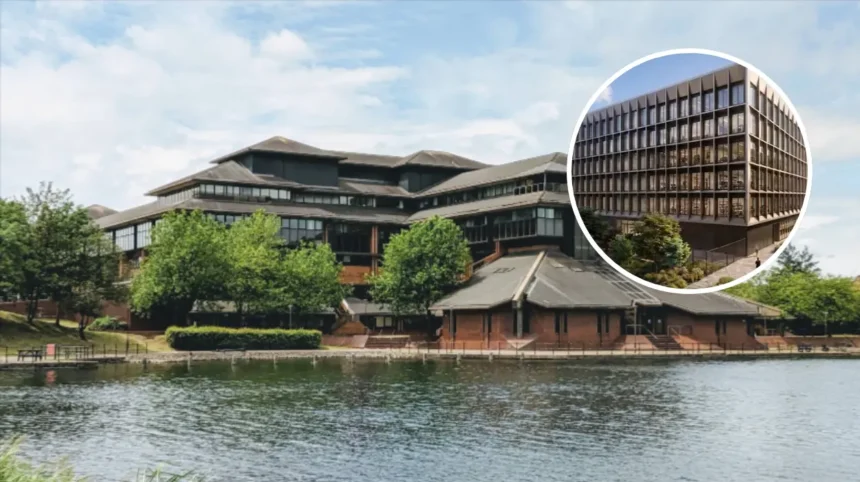
- Property Acquisition: The Cardiff council has officially purchased Lime Tree Mansions which consists of 40 apartments and is located on Whitchurch Road, near the area of Maindy in the city.
- Sellers and Legal Advisor: This multi-million-pound property was acquired from JCPS Homes, and Hugh James acts as the council’s legal advisor in this regard.
- Financial Information: The exact financial value of the multi-million-pound deal is yet to be revealed.
- Reason Behind Purchase: This acquisition is an important part of the council’s homelessness policy and is meant to address the problems related to severe shortages of housing and temporary accommodation in the city.
- Other Property Acquisitions: This acquisition is a result of other recent real estate acquisitions carried out by the council, which includes its purchase of the ex-Scott Harbour office block in Cardiff Bay last year at £28.5m.
Cardiff (Cardiff Daily) September 25, 2026 — Cardiff Council has completed a multi-million-pound acquisition of a 40-apartment residential complex named Lime Tree Mansions, located on Whitchurch Road in the Maindy district, as part of an aggressive strategic push to alleviate acute homelessness and mounting housing pressures across the Welsh capital.
Why Did Cardiff Council Acquire Lime Tree Mansions?
As reported by Sion Barry, Business Editor at Business Live, Cardiff Council purchased the 40-apartment building from developer JCPS Homes in an undisclosed multi-million-pound transaction. The primary driver behind the purchase is the severe housing shortage and rising homelessness challenges facing local authorities.
As reported by Sion Barry of Business Live, Lynda Thorne, Cardiff Council’s Cabinet Member for Housing and Communities, stated that:
“Cardiff continues to face significant housing and homelessness pressures, which is why we have been exploring a wider range of delivery options alongside our new-build programme to help meet the urgent need for affordable housing.”
Councillor Thorne further elaborated on the tactical deployment of the asset, noting that:
“The acquisition of Lime Tree Mansions represents an important investment that will enable us to provide additional temporary accommodation for households in need, while supporting our wider efforts to improve housing outcomes across the city. We are grateful to Hugh James for their expert support throughout the transaction, helping us secure this acquisition and take another important step towards delivering the homes and housing support that Cardiff residents need.”
Who Facilitated the Legal and Commercial Transaction?
The acquisition required coordinated collaboration between public sector representatives and private legal experts to navigate strict timelines. Law firm Hugh James acted extensively for Cardiff Council throughout the purchase process. The legal team representing the local authority was headed by Kylie Underhill, a senior associate in the commercial property team at Hugh James.
As reported by Business Live, Kylie Underhill stated that:
“We are proud to have supported Cardiff Council on the acquisition of Lime Tree Mansions. This was an important transaction for the Council and one which required a focused and collaborative approach to meet the required timeframe. It is always rewarding to support public sector clients on acquisitions which have the potential to deliver real benefit to local communities.”
Echoing these sentiments, Caroline O’Flaherty, a partner in the commercial property team at Hugh James, emphasized the broader implications of the deal for public sector advisory work. As reported by Sion Barry of Business Live, Caroline O’Flaherty stated that:
“This is a fantastic result and reflects the strength of our Commercial Property team’s public sector expertise. We are proud to have assisted Cardiff Council in its continuing strides to provide vital housing across the city.”
Industry analysts note that this acquisition further cements the legal firm’s portfolio in advising local authorities and public sector bodies on complex residential, regeneration, and investment-led property strategies.
Explore more Cardiff Council News
Cardiff Council Investigates Squalid Homeless Hostel Conditions in Adams Court Cardiff 2026
Major Roadworks Cause Severe Traffic Gridlock in Cardiff City Centre Cardiff 2026
How Does This Fit into Cardiff Council’s Wider Housing Strategy?
The acquisition of Lime Tree Mansions does not stand as an isolated real estate transaction; rather, it mirrors an ongoing operational shift by Cardiff Council to bypass traditional construction delays by absorbing ready-built residential blocks.
Last year, the local authority executed a high-profile purchase by acquiring the former prime office building, Scott Harbour, located in Cardiff Bay, from Rightacres. That transaction involved a £28.5m capital investment, successfully converting and supplying 78 apartments designated primarily for permanent family tenancies. By absorbing existing structures such as Lime Tree Mansions, the council aims to bypass the lengthy planning, zoning, and ground-up development phases that typically bog down traditional municipal housing delivery methods.
The apartments within Lime Tree Mansions are currently vacant, allowing the local housing department to swiftly implement occupancy protocols, finalize internal compliance checks, and onboard households currently trapped in emergency or unsuitable temporary setups.
Background of the Development
The chronic shortage of affordable housing and escalating rates of statutory homelessness across major urban hubs in the United Kingdom have placed intense fiscal and operational pressure on local government entities. Cardiff, as the primary economic and population center of Wales, has experienced a disproportionate influx of housing demand paired with constrained private rental stocks, surging property values, and rising living costs.
In response, local authorities across England and Wales have increasingly pivoted away from relying entirely on private sector landlords through housing benefit subsidies or slow-moving new-build programs. Instead, councils are exercising direct market interventions—purchasing whole apartment blocks, commercial conversions, and multi-unit residential portfolios. This strategy gives local governments direct control over housing inventory, protects vulnerable families from volatile private rental pricing spikes, and directly tackles long-term waiting lists for social and temporary housing. The acquisition of Lime Tree Mansions on Whitchurch Road reflects this proactive municipal asset-management paradigm.
The acquisition of Lime Tree Mansions is projected to yield immediate, localized relief for families and individuals experiencing acute housing insecurity in Cardiff by swiftly injecting 40 operational units into the city’s temporary accommodation pipeline. For the particular audience of homeless households, local taxpayers, and housing applicants on council waiting lists, this development signals a pragmatic shift toward asset-backed municipal intervention.
Over the medium term, acquiring ready-built private apartment blocks could shield the local authority from construction cost inflation and supply chain delays, enabling faster turnaround times for vulnerable placements. However, critics and urban planning experts note that while multi-million-pound block purchases offer vital stopgap measures, they draw heavily on public capital funds and represent only a fraction of the thousands of units required to comprehensively resolve Cardiff’s wider structural housing deficit. Consequently, the council will likely need to balance these opportunistic asset acquisitions with long-term, large-scale affordable housing construction programmes to achieve sustainable equilibrium in the local property market.