Key Points
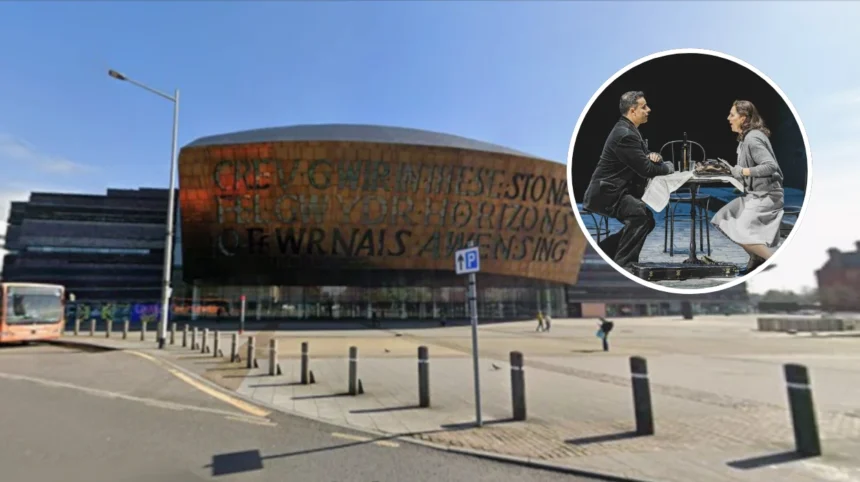
- The opera La Bohème by Giacomo Puccini was staged by Floris Visser in Cardiff at the Wales Millennium Centre on September 27, 2026. It was originally premiered at Glyndebourne.
- The staging was made by Dieuweke van Reij, with Jon Morrell designing the costumes, depicting the events taking place on a sloped cobblestone street situated between high walls of apartments.
- According to Clare Stevens of The Stage, the staging is presented as “aggressively monochrome”, using fifty different shades of grey.
- Alexia Voulgaridou plays Mimi; Rodolfo is played by Carlos Cardoso; Marcello is played by Navasard Hakobyan; Colline is portrayed by Ross Fettes; Owain Rowlands takes on the part of Schaunard; Musetta is performed by Sofia Kirwan-Baez.
- Christopher Lemmings performs as both Parpignol, the toy-seller, and Death, the gaunt spectre haunting the story and guiding Mimi’s soul at the end of the opera.
- Welsh National Opera orchestra gave an overwhelming performance conducted by Corinna Niemeyer, with amazing solos performed on flute, oboe, and harp.
- Despite great vocal performances and musical execution, the critic pointed out that the intellectual emphasis of the inevitability of death makes the performance look rather dry-eyed.
Cardiff (Cardiff Daily) September 28, 2026 – Giacomo Puccini’s timeless tragic opera La Bohème has returned to the stage with a bleak, highly stylized interpretation directed by Floris Visser and originating from Glyndebourne. Playing at the Wales Millennium Centre as part of its ongoing tour with the Welsh National Opera, this new staging trades traditional romantic warmth for an austere, highly intellectualized landscape dominated by stark visual choices. As detailed by Clare Stevens of The Stage, the production places all dramatic action within a steep, cobbled street flanked by cavernous apartment walls, enveloping the narrative in an atmosphere where colour is sparse and deliberate.
What Are the Visual and Theatrical Choices Defining This Production of La Bohème?
The design concept, conceived by Dieuweke van Reij with costumes by Jon Morrell, relies heavily on an austere palette. As reported by Clare Stevens of The Stage, the production is characterized as an “aggressively monochrome” environment where a sophisticated ensemble of characters and citizens are attired in fifty subtle shades and textures of grey. Within this grey landscape, isolated splashes of colour are deployed with precise theatrical intent. These visual accents include Mimi’s pink beret, the vibrant red of the painting destroyed in frustration by the artist Marcello in the opening act, and a symbolic heap of pink blossoms representing spring in the third act. Furthermore, the lively second-act scene set at Café Momus is elevated by a tall stack of chairs and tables, serving as a precarious perch from which Rodolfo addresses his companions amidst a crowd featuring musically and dramatically engaged children.
Explore more City Centre News
Tim Hortons Shuts Final City Centre Coffee Shop in Cardiff 2026
Will Young Brings Evergreen Anniversary UK Tour To Cardiff 2027
How Does the Production Portray the Inevitability of Mortality?
A defining hallmark of Floris Visser’s directorial vision is the constant, visible presence of mortality shadowing the central characters. As observed by Clare Stevens of The Stage, a frail yet strong-voiced Mimi, portrayed by Alexia Voulgaridou, expires on a pavement while her soul is visibly escorted away by the gaunt figure of Death. This embodiment of Death, performed by Christopher Lemmings, haunts the proceedings throughout the opera while simultaneously fulfilling the dual role of the toy-seller Parpignol. Rather than traditional hobby horses and windmills, Parpignol flogs blood-red balloons, contributing to the stark visual motifs. According to the review, this persistent emphasis on the inevitability of Mimi’s death draws direct focus away from the human warmth of the central characters, ultimately altering the emotional trajectory of Puccini’s famous tragedy.
How Do the Vocalists and Musicians Perform Within the Staging?
The vocal performances across the principal cast offer strong ensemble chemistry and technical precision. As noted by Clare Stevens of The Stage, a programme essay by music writer Flora Willson draws a compelling parallel between the opera’s cast of impecunious flatmates and the modern television series Friends. This camaraderie is manifested strongly on stage through the interactions between Rodolfo, performed by Carlos Cardoso; Marcello, played by Navasard Hakobyan; philosopher Colline, delivered with rich-voiced warmth by Ross Fettes in his touching ode to his old coat; and musician Schaunard, brought to life by a cheerfully appealing Owain Rowlands. Meanwhile, Sofia Kirwan-Baez portrays Musetta with notably less warmth than traditionally seen in the role. Musically, the Welsh National Opera orchestra delivers an overwhelming impression under conductor Corinna Niemeyer, featuring gorgeous solos from the flutes, oboe, and harp that illuminate unfamiliar thematic details in the score, even if the intellectual staging leaves certain emotional beats subdued.
Background of the Production
The presentation of La Bohème at the Wales Millennium Centre marks the continuation of a high-profile collaboration between Glyndebourne and the Welsh National Opera. Floris Visser’s production was originally conceived for Glyndebourne, where it received widespread critical acclaim prior to embarking on its current tour across regional venues. Puccini’s original 1896 masterwork, set to a libretto by Giuseppe Giacosa and Luigi Illica based on Henri Murger’s novel Scènes de la vie de bohème, has historically relied on romanticized notions of 19th-century Parisian bohemian life, poverty, and sudden tragedy. Modern directorial reinterpretations frequently seek to recontextualize these classic nineteenth-century themes for contemporary audiences by stripping away romantic gloss and emphasizing existential realism, political subtext, or stark visual metaphors.
Impact on Opera Audiences
This intellectualized and visually austere interpretation of La Bohème is expected to provoke polarized reactions among traditional opera-goers and modern theatre enthusiasts alike in Cardiff and subsequent tour locations. For audiences who prioritize psychological depth, innovative spatial design, and meticulous orchestral execution, Visser’s conceptual staging offers a fresh, thought-provoking lens through which to re-examine a familiar score. Conversely, patrons who attend La Bohème primarily for its traditional emotional resonance and tear-jerking theatricality may find the bleak, heavily symbolic framing an emotional barrier. Ultimately, the production challenges regional opera audiences to engage with Puccini’s masterpiece on intellectual and aesthetic terms rather than purely sentimental ones, influencing how future touring opera productions balance conceptual daring with classic audience expectations.