Key Points
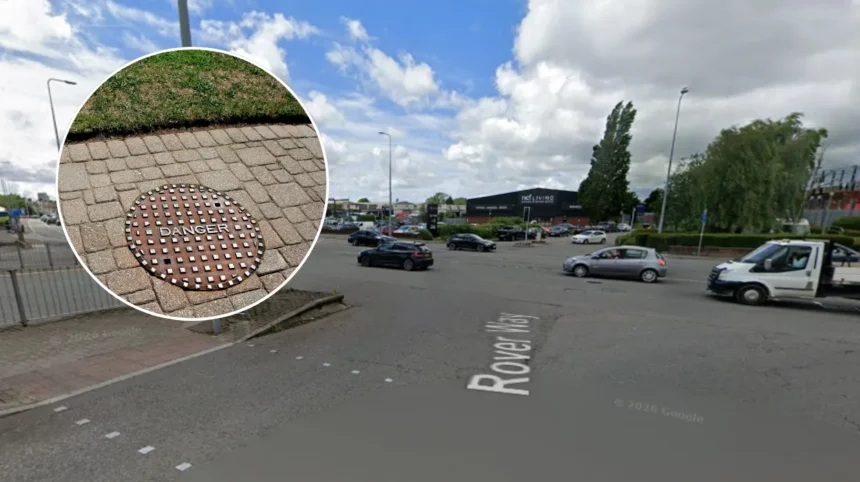
- Incident Location: Rover Way in Splott region of Cardiff near Road Ffordd Pengam beside Tesco Extra.
- Date of the Incident: Thursday, October 8 (also reported extensively on Friday, October 9, 2026).
- Damage to the Vehicle: More than ten cars suffered heavy blowouts and other damages because of a cracked manhole cover present under the road as an obstruction.
- Witness’ Statement & Business Report: Cardiff travel agency MET Executive Travel informed about rapid blowouts being experienced by multiple vehicles such that within thirty minutes of parking in the nearby car park, seven cars were parked there having same kind of damage to them, which increased to more than ten cars by Thursday morning.
- Emergency Measures: Police was contacted for traffic management of the area, which resulted in closing certain parts of the road near Tesco Extra.
- Council Measures: The staff of Cardiff Council highways arrived at the scene around 8:30 am to cordon off the area and put a cover on it.
Cardiff (Cardiff Daily) October 9, 2026 – A broken manhole cover on a busy Cardiff thoroughfare triggered widespread traffic chaos and vehicle damage on Thursday, prompting emergency police intervention and a rapid response from local highways teams after more than ten motorists suffered sudden tyre blowouts.
Why Did a Broken Manhole Cover Cause Chaos on Rover Way in Cardiff?
Cardiff — As reported by Taite Johnson of WalesOnline, a broken manhole cover on a busy Cardiff road caused significant traffic disruption and widespread vehicular damage on Thursday, October 8. Police were urgently called to Rover Way located in the Splott area of the city following multiple alarming reports of an unexpected obstruction creating a severe hazard for unsuspecting motorists.
The sudden infrastructure failure transformed a routine morning commute into a scene of frustration and mechanical distress. According to documentation from the scene, an adjacent road, Ffordd Pengam, was forced to close in the immediate vicinity of the local Tesco Extra superstore while the damaged utility access point was safely cordoned off by emergency services and municipal teams.
How Many Vehicles Were Damaged by the Road Hazard?
Detailing the rapid escalation of the incident, a prominent local travel company, MET Executive Travel, issued strong warnings advising other drivers to completely steer clear of the area. The warning came after one of the company’s own executive cars suffered a double tyre blowout while navigating the damaged stretch of road.
As reported by Taite Johnson of WalesOnline, after pulling into the nearby Tesco car park to inspect the damage, representatives from MET Executive Travel stated that “within ten minutes, two more cars arrived with the same problem. Within half an hour, there were seven cars parked up with tyre blowouts.” The situation continued to compound throughout the morning hours. The company further stated on Facebook that the total count of affected vehicles had rapidly risen to more than ten cars by Thursday morning.
The sudden cluster of mechanical failures created a temporary bottleneck as frustrated drivers gathered in the retail car park to assess suspension, wheel rim, and tyre damage incurred from striking the exposed metal frame and subterranean void.
How Did Cardiff Council and Emergency Services Respond to the Incident?
Following the influx of emergency calls from stranded motorists and local witnesses, South Wales Police secured the perimeter to prevent further accidents along the busy industrial and commercial corridor.
As reported by Taite Johnson of WalesOnline, a spokesperson for Cardiff Council addressed the municipal failure, stating:
“The Council received reports of a damaged manhole cover on Rover Way (on Thursday morning). Highways staff attended the site at approximately 8.30am to make the area safe.”
Municipal response teams moved swiftly to mitigate the immediate danger. The hazardous zone was heavily cordoned off utilizing standard traffic cones, and a temporary cover was promptly installed to stabilize the road surface. Cardiff Council confirmed that maintenance crews returned later in the evening to execute a comprehensive, permanent repair of the broken manhole infrastructure, fully restoring safe passage for motorists traveling along Rover Way and Ffordd Pengam.
Background of the Particular Development
The sudden failure of utility infrastructure on vital urban arteries such as Rover Way highlights ongoing structural maintenance challenges faced by local authorities across the United Kingdom. Manhole covers, storm drains, and underground utility access points endure thousands of heavy commercial and passenger vehicle loadings daily, accelerating metal fatigue and surrounding asphalt degradation. In busy commercial sectors like Splott and near major retail hubs such as Tesco Extra, roads experience heavy freight and commuter traffic fluctuations that can quickly turn minor surface wear into acute structural hazards. Municipal authorities operate reactive maintenance pathways supported by emergency highways teams, yet unexpected structural collapses continue to pose immediate risks to road safety, compelling rapid inter-agency coordination between local police forces and council works departments to protect motorists from sudden vehicular damage.
Looking forward, this sudden infrastructure failure on Rover Way is expected to heighten local scrutiny regarding the proactive inspection routines and preventative maintenance schedules executed by Cardiff Council. For the primary audience—local commuters, commercial fleet operators, and residents in Cardiff—the incident serves as a stark reminder of the financial and logistical vulnerabilities tied to deteriorating urban roads. In the short term, local transport businesses and regular motorists traversing the Splott and Ffordd Pengam corridors will likely maintain heightened vigilance, potentially leading to an increase in formal insurance claims against the local authority for suspension and tyre damages. Over the medium term, public pressure from incidents involving multiple vehicle write-offs may compel Cardiff Council to accelerate non-destructive testing, acoustic monitoring, or scheduled replacement programs for aging utility covers across high-traffic industrial zones, ultimately aiming to preemptively avert sudden road hazards before they translate into public safety emergencies.