Key Points
- Representatives from the South Cardiff Ministry Area attended the Cardiff Reform Synagogue where they took part in the celebration of the Shabbat and Kiddush.
- This visit was central to their dedication to foster interfaith relationships and build strong relations between the Christian and Jewish communities in Cardiff.
- During their visit, attendees were able to experience the Jewish day of rest and worship, and learn more about the Jewish faith and way of life.
- The service was followed by the Kiddush during which participants took part in the blessing of wine and bread, and enjoyed fellowship and discussions.
- Ministry Area representatives expressed sincere appreciation to the congregation at the Cardiff Reform Synagogue for their hospitality, noting how inspirational and educational the morning had been.
- This visit is just one of many examples of dedication to work together for the good of everyone around.
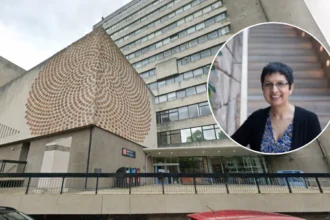
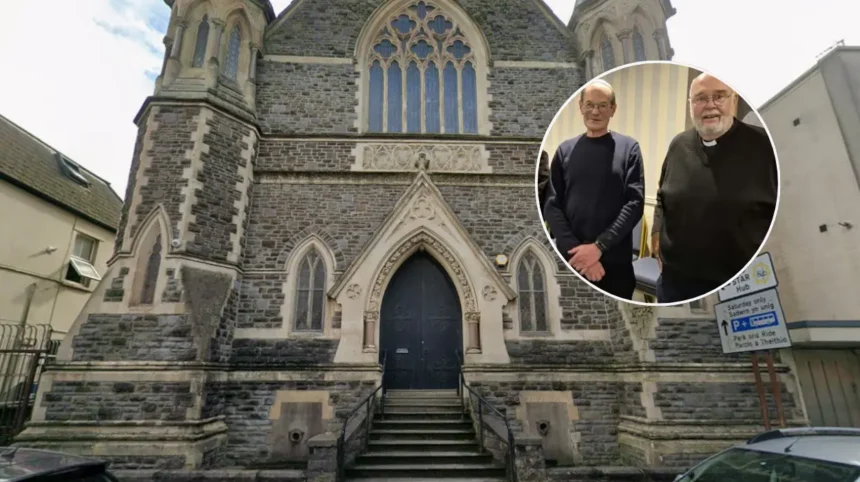
Cardiff (Cardiff Daily) October 20, 2026 — Members of the South Cardiff Ministry Area recently undertook a landmark visit to the Cardiff Reform Synagogue to take part in a Shabbat service and Kiddush, marking a significant milestone in ongoing local efforts to build robust interfaith friendships and deepen ties between Christian and Jewish communities across the Welsh capital.
- Key Points
- What Prompted the South Cardiff Ministry Area to Visit Cardiff Reform Synagogue?
- How Was the Shabbat Service Observed During the Interfaith Visit?
- What Occurred During the Traditional Kiddush Gathering?
- What Did Participants Say About the Interfaith Encounter?
- How Does This Event Fit into Wider Community Initiatives?
- Background of the Particular Development
- How This Development Can Affect the Local Community
What Prompted the South Cardiff Ministry Area to Visit Cardiff Reform Synagogue?
As reported by the official communications team of the Church in Wales, members of the South Cardiff Ministry Area travelled to the Cardiff Reform Synagogue as part of their ongoing dedication to fostering positive interfaith relationships. The visit was organised to actively strengthen ties between Christian and Jewish communities within the city, providing local believers with an immersive opportunity to experience traditions outside their own denomination and cultivate lasting civic bonds.
How Was the Shabbat Service Observed During the Interfaith Visit?
Shabbat, recognised as the Jewish day of rest and worship, is observed weekly from Friday evening through to Saturday evening. As detailed by the Church in Wales reporting staff, it serves as a sacred time dedicated entirely to prayer, spiritual reflection, family life, and community cohesion. During the visit, the Christian delegation joined the synagogue congregation directly for the Shabbat service, an experience that allowed participants to gain a much deeper appreciation and understanding of authentic Jewish faith and daily practice.
What Occurred During the Traditional Kiddush Gathering?
Following the conclusion of the Shabbat service, visiting members participated in the Kiddush. As outlined in the Church in Wales release, this traditional gathering incorporates blessings over wine and bread, functioning as a vital communal space for fellowship, social interaction, and open conversation. Church representatives noted that sharing in this sacred ritual offered a valuable platform to converse directly with local Jewish worshippers, compare spiritual traditions, and celebrate the collaborative spirit shared by faith groups in Cardiff.
Explore more Local Cardiff News:
South Wales Corporate Joint Committees Welcome Devolution Debate Cardiff 2026
South Cardiff Ministry Area Strengthens Interfaith Friendships with Synagogue Visit Cardiff 2026
What Did Participants Say About the Interfaith Encounter?
Reflecting on the morning’s proceedings, members of the South Cardiff Ministry Area expressed sincere gratitude to everyone at the Cardiff Reform Synagogue for extending such a warm and gracious welcome. Speaking on the experience, representatives described the morning visit as both deeply inspiring and educationally enriching. The shared dialogue highlighted the shared values underpinning both religious traditions and reinforced a mutual determination to champion inclusivity and community solidarity across south Wales.
How Does This Event Fit into Wider Community Initiatives?
Church authorities confirmed that this synagogue visit was not an isolated occurrence, but rather formed a central component of the Ministry Area’s wider, long-term commitment to active interfaith engagement. By working collaboratively alongside individuals and leaders of diverse religious backgrounds, local faith groups aim to champion social cohesion, tackle community isolation, and promote cooperative welfare initiatives that benefit the entirety of the local populace in Cardiff.
Background of the Particular Development
Interfaith dialogue and community engagement between Christian and Jewish populations in the United Kingdom have long roots, grounded in a shared heritage of scriptural study, moral values, and civic responsibility. In recent years, ecclesiastical bodies such as the Church in Wales have placed heightened emphasis on grassroots ecumenical and interfaith outreach, moving beyond formal theological discussions toward lived experiences of fellowship. Visits to synagogues, mosques, and gurdwaras have become increasingly common components of ministry area action plans across major urban centres like Cardiff, reflecting a modern demographic shift toward pluralism, mutual respect, and joint social action in tackling contemporary societal challenges.
How This Development Can Affect the Local Community
This strengthening of interfaith friendships between the South Cardiff Ministry Area and the Cardiff Reform Synagogue is poised to generate profoundly positive ripple effects for local residents, community leaders, and civic organisations across Cardiff. For the immediate religious communities involved, regular dialogue breaks down historical barriers, dispels misconceptions, and builds a robust foundation of trust that can be mobilised during times of social need or crisis. For the wider public, visible solidarity between diverse faith groups models constructive civic harmony, offering a powerful counter-narrative to polarization and sectarianism. Ultimately, such grassroots partnerships pave the way for collaborative community projects—ranging from charitable food banks to youth outreach programmes—thereby enhancing overall social cohesion and wellbeing throughout the Welsh capital.