Key Points
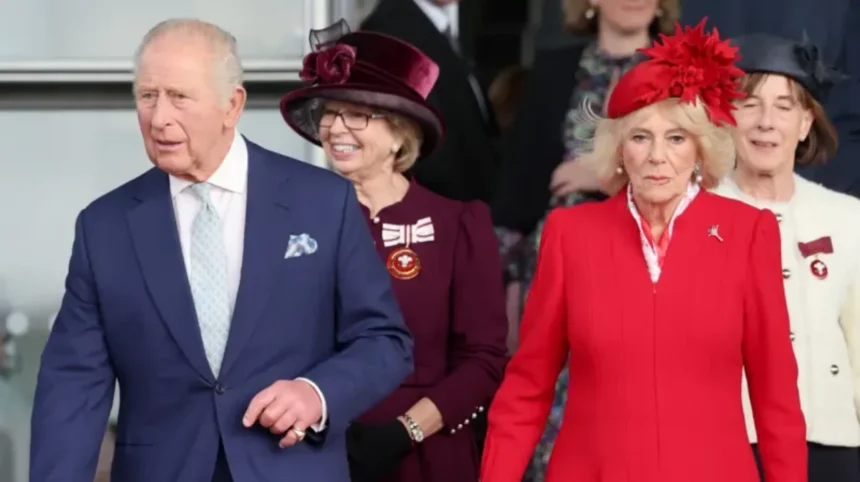
- Royal Attendance: King Charles III and Queen Camilla visited Cardiff Bay to attend the ceremonial opening of the seventh Senedd on October 15, 2026.
- Life-long Connection: As highlighted in The Pembrokeshire Herald and PA Media, King Charles felt a deep sense of pride in the life-long relationship with Wales as he delivered an address at the Siambr.
- Historic Occasion: It was historic for Delyth Lewis to become the first woman to carry the mace of the Senedd into the debating chamber along with Deputy Mace Bearer Lukas Santos Evans, and members of Welsh Youth Parliament, Ffiôn-Hâf Scott, and Aryan Gupta.
- Key Statements of Leadership: During their address, Presiding Officer Huw Irranca-Davies MS and First Minister Rhun ap Iorwerth MS welcomed Their Majesties with the understanding that the new electoral system required the larger parliament to represent the diverse views and aspirations of the Welsh people.
- Aberfan Commemoration: King Charles and Queen Camilla visited families and survivors of Aberfan, including Noah Jones, who is the great-grandson of Stephen Andrew, the caretaker of Pantglas Junior School, to commemorate the forthcoming 60th anniversary of the disaster.
- Cultural Performances: Some of the musical components included performance by Côr Merched Plastaf of ‘O Gymru’, Royal Harpist Mared Emyr Pugh-Evans, and Wales YFC Choir singing ‘Fel hyn da ni fod’.
- Poetry Scandal: The National Poet of Wales, Hanan Issa, claimed that the submitted poem, ‘To Grow’, had been turned down by the Senedd Commission for allusion to transgender health care and Gaza issue.
Cardiff (Cardiff Daily) October 27, 2026 – King Charles III and Queen Camilla officially opened the seventh Senedd in Cardiff today, marking a landmark constitutional moment for the Welsh Parliament. Welcomed by Presiding Officer Huw Irranca-Davies and First Minister Rhun ap Iorwerth, the monarch delivered a keynote address in the Siambr celebrating his enduring bond with Wales while inspecting a newly expanded legislature elected through a reformed electoral framework.
- Why Is the Ceremonial Opening of the Seventh Senedd a Historic Milestone for Wales?
- What Did King Charles Say During His Address to the Senedd?
- How Did Cultural Performances and Community Figures Shape the Event?
- What Controversy Surrounded the National Poet’s Scheduled Reading?
- Background of the Particular Development
- How This Development Can Affect the Welsh Electorate and Political Landscape
Why Is the Ceremonial Opening of the Seventh Senedd a Historic Milestone for Wales?
As reported by staff journalists at The Pembrokeshire Herald, the arrival of King Charles III and Queen Camilla in Cardiff Bay on October 15, 2026, initiated a significant chapter in Welsh democratic history. The ceremonial opening celebrated not only the formal commencement of the Senedd’s seventh legislative term but also underscored structural expansions designed to enhance intergenerational representation and democratic accountability.
As detailed in coverage by GB News, a historic procedural milestone occurred within the chamber itself when Delyth Lewis became the first woman in the institution’s history to bear the Senedd’s ceremonial mace into the Siambr. Originally gifted by the Parliament of New South Wales, the mace was carried by Ms Lewis—who has served on the Senedd Commission staff since 2002 and played a pivotal role in establishing the Welsh Youth Parliament—alongside deputy mace-bearer Lukas Santos Evans and youth parliament members Ffiôn-Hâf Scott and Aryan Gupta.
What Did King Charles Say During His Address to the Senedd?
Addressing assembled Members of the Senedd (MSs), dignitaries, and community representatives, King Charles III reflected deeply on his historic ties to the nation. As reported by The Pembrokeshire Herald, the monarch stated that he felt “immensely privileged and proud” to maintain a lifelong connection with Wales, while noting the vital responsibilities carried out by elected representatives on behalf of the public.
Following the royal address, First Minister Rhun ap Iorwerth MS responded to His Majesty’s speech. As highlighted in regional reporting by Cwmbranlife, Mr ap Iorwerth emphasized the core mission of the devolved administration:
“We all have a part to play in ensuring this parliament is not an echo chamber but a mirror held up to the people of Wales, who can in turn say with confidence and with pride that their values, their hopes, and their vision for the future are reflected back in the decisions we make.”
Presiding Officer Huw Irranca-Davies MS similarly praised the inclusive nature of the new term, noting, as covered by GB News, that:
“It is a larger Parliament, elected through a new electoral system designed to better reflect the diversity of views and experiences across our country. We are honoured that Their Majesties The King and Queen are here to share this moment with us.”
How Did Cultural Performances and Community Figures Shape the Event?
The ceremony featured prominent cultural showcases celebrating Welsh heritage and artistic excellence. Côr Merched Plastaf, winners of the prestigious Golden Voices Montserrat Grand Prix earlier in the year, performed ‘O Gymru’ composed by Rhys Jones. Musical accompaniment throughout the proceedings was delivered by the Royal Harpist, Mared Emyr Pugh-Evans.
As reported by the Pembrokeshire Herald, the event also incorporated poignant commemorations ahead of the 60th anniversary of the Aberfan disaster. Before departing Cardiff Bay, Queen Camilla was presented with a posy by Noah Jones, the great-grandson of Stephen Andrew—the brave caretaker at Pantglas Junior School who risked his life to rescue children during the 1966 tragedy. Noah was accompanied by his younger brother Charlie, parents Gemma Bray and Adam Jones, as well as Aberfan survivor Gareth Jones and rescue team member Len Moss.
As Their Majesties left the building, the Wales YFC Choir performed ‘Fel hyn da ni fod’ by the folk-rock band Bwncath, celebrating the rural youth organisation’s 90th anniversary.
Explore more Cardiff Bay News:
Cardiff Bay Train Line Closed For Week For Upgrades In Cardiff 2026
Cardiff Bay Rail Line Closure and Metro Upgrades in Cardiff 2026
What Controversy Surrounded the National Poet’s Scheduled Reading?
Despite the celebratory atmosphere, the proceedings drew attention following a reported dispute involving the National Poet of Wales, Hanan Issa. As detailed by Cwmbranlife and local news outlets, Ms Issa stated that her submitted poem, titled To Grow, alongside a subsequent revised draft, was rejected by the Senedd Commission.
According to regional reporting, the composition reportedly referenced topics surrounding transgender healthcare and the ongoing humanitarian situation in Gaza. In response to inquiries, the Senedd Commission maintained that the piece “was not the right fit for this occasion,” leading to public discussions regarding artistic expression at official state events in Wales.
Background of the Particular Development
The ceremonial opening of the seventh Senedd follows sweeping electoral reforms enacted in Wales to expand the size and democratic representation of the Welsh Parliament. Following successive constitutional evolutions—originating from the Government of Wales Act 1998, the historic 1997 devolution referendum, and subsequent legislative acts granting primary law-making powers—the Senedd has steadily matured into a fully empowered legislature.
The introduction of a larger parliament and a reformed electoral system for the seventh term was specifically engineered to address historical geographic imbalances and improve proportional representation across Welsh communities. Royal involvement in these openings reflects constitutional continuity under the British monarchy, serving as a formal marker of partnership between the Crown and the devolved Welsh legislature since devolution’s inception.
How This Development Can Affect the Welsh Electorate and Political Landscape
The commencement of the seventh Senedd under an expanded electoral framework and a larger cohort of members is expected to significantly alter legislative throughput and committee oversight in Cardiff Bay. For the Welsh electorate, a more diverse parliament with enhanced proportional representation means that niche community concerns and localized economic challenges—particularly across rural and post-industrial constituencies—are likely to receive sharper focus in parliamentary debates.
However, a larger chamber also heightens administrative costs and intensifies partisan friction as political groups vie to shape policy in areas like health, social care, and environmental sustainability. For voters, the success of this seventh term will be measured by whether the expanded Senedd translates into tangible improvements in public service delivery or merely generates amplified political posturing within the Siambr.