Key Points
- Coaching Pressure: Ospreys coaches face intense evaluation and strategic choices regarding squad rotation, physical turnarounds, and match execution.
- Performance Swings: The team displayed strong initial competitiveness but struggled to maintain an 80-minute performance standard.
- Tactical Deficits: Deficiencies in aerial contests and set-piece dominance hindered the side’s capability to close out matches successfully.
- Player Opportunities: Coaching staff defended decisions to rotate and test squad depth, aiming to give developing players vital exposure.
Swansea (Cardiff Daily) November 2, 2026 — The Ospreys coaching team faces mounting scrutiny and evaluation regarding player management, squad depth application, and overall tactical execution following recent demanding fixtures across regional and international rugby competitions.
- Key Points
- How are Ospreys coaches responding to recent performance pressures and squad rotation criticisms?
- What tactical shortcomings did analysts identify in the recent fixtures?
- How do coaches view the challenge of sustaining an 80-minute performance?
- What is the official stance on player development versus immediate results?
- Background of the particular development
- Prediction
How are Ospreys coaches responding to recent performance pressures and squad rotation criticisms?
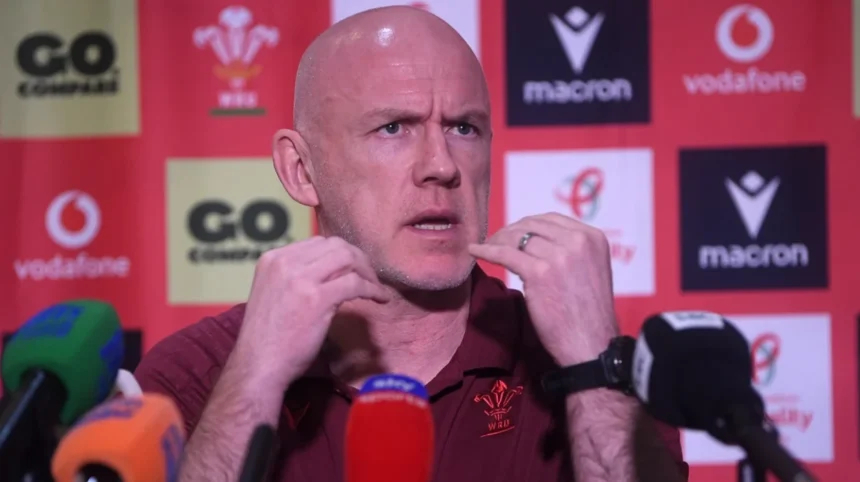
As reported by rugby correspondents of Wales Online, the coaching staff faced sharp questions regarding their selection policies and squad management strategy after experiencing testing encounters on the pitch. Addressing concerns over team consistency, head coach Mark Jones defended the decisions made regarding player rotation and physical turnarounds.
As reported by Wales Online, Jones stated that
“Nobody’s hiding away from that. I’m pretty confident we did the right thing by the playing group given the turnarounds and the physicality.”
The management team emphasized that giving emerging and fringe players an opportunity to represent the jersey remains a vital part of long-term development, despite the immediate challenges it places on cohesive 80-minute performances.
What tactical shortcomings did analysts identify in the recent fixtures?
Critical analysis of the matches highlighted specific areas where the squad fell short of securing victories, particularly in technical departments such as the aerial battle and set-piece stability. Reviewing the team’s operational output, Jones acknowledged that external factors heavily influenced match outcomes.
As detailed by Wales Online, Jones noted that
“If we hadn’t started how we did against the Lions and been up at half-time, you could make an argument that cohesion was a problem. But I think it was more around our execution of what we needed to do as a group in that second-half.”
Furthermore, the coaching assessment highlighted that
“aerially, the Lions are very strong – as they are at the set-piece. We didn’t get enough aerial or set-piece dominance to put ourselves in with a chance.”
How do coaches view the challenge of sustaining an 80-minute performance?
The overarching challenge identified by the Ospreys technical staff involves translating strong opening phases into complete, full-match victories. While the team has frequently demonstrated competitiveness during initial periods—often securing leads or remaining within a single score of their opponents—maintaining intensity across the entire duration remains the primary objective.
As outlined in coverage by Wales Online, Jones remarked that
“it’s not like we were never in the games. It was a one-score game at one point against the Sharks, and then we were winning at half-time in the other. Our challenge is to put 80 minutes together. That’s the big focus from South Africa.”
The head coach accepted full responsibility for team performance while reiterating confidence in the squad’s underlying potential.
What is the official stance on player development versus immediate results?
Balancing developmental goals with the intense competitive demands of professional rugby creates an ongoing dilemma for regional coaching setups. The management maintains that exposure at the highest level is essential for squad depth, even when short-term results fluctuate.
As reported by Wales Online, Jones concluded that
“I’ll always accept the responsibility around the team’s performance – that’s absolutely on me – but I felt like giving players an opportunity was the right thing to do. I’ll never make an apology for trying to give the guys an opportunity to show us what they’re about and give them an opportunity to stake their claim, but clearly now, we need to start putting in better 80-minute performances and hopefully start that winning trend.”
Background of the particular development
The scrutiny surrounding the Ospreys coaching ticket stems from a demanding block of fixtures in major club competitions, including the United Rugby Championship and European tournaments. Regional rugby sides in Wales have faced significant financial, structural, and playing resource constraints in recent seasons. Consequently, head coaches must carefully manage player workloads, injuries, and mandatory rest periods dictated by national player pathways. This operational environment frequently forces management teams to balance competitive survival against the necessity of blooding younger talent, creating intense public debate whenever match execution falters during crucial second-half periods.
Prediction
This ongoing tactical evolution and squad management strategy will likely influence the Ospreys’ competitiveness through the remainder of the domestic calendar. For the team’s supporters, regional stakeholders, and developing players, stricter adherence to 80-minute consistency and improved set-piece resilience will dictate whether the squad can climb higher in league standings. If the coaching staff successfully integrates fringe players while resolving second-half fadeouts, the side could secure a more stable position in future regional and cross-border rankings. Conversely, continued execution errors under pressure may intensify external pressure on team selection policies.