- Key Points:
- Transport operators have urged rugby supporters travelling to Cardiff for the remaining Autumn Internationals against New Zealand and Australia to plan their journeys ahead.
- The call follows a successful matchday operation for the Wales versus Japan fixture, which safely handled over 50,000 travelling fans in and out of the Welsh capital.
- Transport for Wales (TfW) and Great Western Railway (GWR) have maintained additional train services and enhanced crowd management systems.
- A structured post-match queueing layout will operate at Cardiff Central and Cardiff Queen Street stations, kicking off from 15:30 on 14th November for the New Zealand match and 21:30 on 21st November for the Australia match.
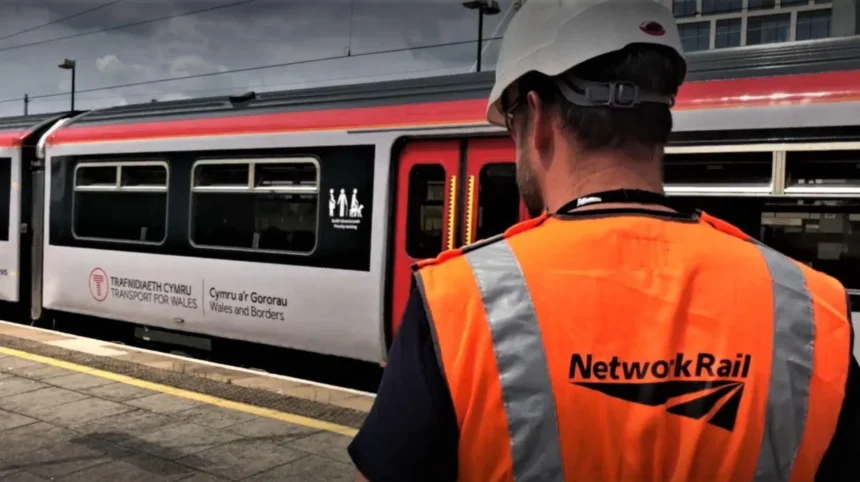
- Valleys and Vale of Glamorgan line passengers will be directed to Cardiff Queen Street due to ongoing station enhancement works at the rear of Cardiff Central.
- Passengers are advised to allow plenty of time, reserve seats in advance, and double-check their designated post-match queues.
Cardiff (Cardiff Daily) November 12, 2026 — Transport operators are reminding rugby fans traveling to Cardiff for Wales’ upcoming Autumn Internationals against New Zealand and Australia to plan ahead. Following a successful matchday operation for Wales v Japan, which saw over 50,000 fans travel in and out of the city, Transport for Wales (TfW) and Great Western Railway (GWR) are expecting continued high demand across the rail network for the remaining fixtures. Additional trains and enhanced crowd management plans remain in place to keep supporters moving safely and efficiently after the final whistle.
- How are transport operators preparing the Wales rail network for the remaining Autumn Internationals?
- What are the specific timings for the post-match queueing systems at Cardiff stations?
- Where should passengers queue after the fixtures conclude?
- What have officials stated regarding the travel arrangements?
- Background of the Development
- Prediction on How This Development Affects Rugby Fans and Commuters
How are transport operators preparing the Wales rail network for the remaining Autumn Internationals?
As reported by Transport for Wales (TfW), transport operators have implemented comprehensive crowd management protocols and reinforced train schedules across the rail network to accommodate tens of thousands of sports enthusiasts arriving in the Welsh capital. Following a successful operation during the fixture against Japan—which facilitated the safe transit of over 50,000 passengers—both Transport for Wales and Great Western Railway are bracing for high-capacity crowds.
Additional rail services and organized crowd control measures are being deployed to streamline post-match departures from Cardiff. Passengers have been informed that a structured post-match queueing system will be active at both Cardiff Central and Cardiff Queen Street stations following the final whistle of each game.
What are the specific timings for the post-match queueing systems at Cardiff stations?
According to Transport for Wales (TfW), the implementation schedules for the post-match queueing systems depend on the specific matchday timelines. The queueing restrictions will initiate at:
- 15:30 for Wales v New Zealand on 14th November.
- 21:30 for Wales v Australia on 21st November.
Travelers can utilize either Cardiff Central or Cardiff Queen Street stations up until the official crowd management protocols commence. Once these time thresholds are reached, station marshals and travel staff will redirect passengers depending on their specific destination routes.
Where should passengers queue after the fixtures conclude?
As detailed by Transport for Wales (TfW), post-match passenger management splits travelers across two primary hub stations in central Cardiff based on their final destinations:
- Cardiff Queen Street Station: Designated for passengers traveling to Treherbert, Aberdare, Merthyr, Rhymney, Coryton, Cardiff Bay, Penarth, and the Vale of Glamorgan.
- Cardiff Central Square: Designated for all other queues, including services toward Ebbw Vale, Maesteg, Cheltenham Spa, and long-distance routes towards Bristol, London, Manchester, West Wales, and North Wales.
Additionally, dedicated accessibility queues will be operational at both Cardiff Central and Cardiff Queen Street stations to support passengers with specific mobility requirements.
What have officials stated regarding the travel arrangements?
Highlighting the collaborative effort to ensure smooth logistics, Georgie Porter, Head of Events Planning and Delivery at Transport for Wales, stated:
“Following a really successful operation for the Japan game, we’re ready to welcome supporters back to Cardiff for two more weekends of rugby.”
Porter further emphasized the core objective of the transport strategy, stating:
“Our main priority is to get everyone to and from Cardiff safely and smoothly. The post-match queuing systems are designed to keep fans moving as quickly as possible, and we encourage everyone to double-check their post-match queue and allow plenty of time for their travel.”
Complementing the guidance from TfW, GWR Customer Services Director Rachel Geliamassi advised long-distance and regional travelers on proper preparation. As reported by Great Western Railway (GWR), Geliamassi stated:
“Fans traveling on GWR services into Cardiff Central are strongly advised to reserve their seats in advance to avoid disappointment. Planning ahead and booking early can help you relax and focus on enjoying the rugby.”
Geliamassi also noted the expected congestion levels, stating:
“We would encourage customers to check journey times and allow sufficient time to board trains safely. Remember that trains will be extremely busy leading up to kick-off and immediately following the match.”
Background of the Development
The implementation of these rigorous transport measures stems from long-term infrastructure shifts and prior operational reviews in Cardiff. With space at the rear of Cardiff Central station no longer available due to Transport for Wales’ ongoing site preparations for the Cardiff Central station enhancements project, logistics planners had to re-engineer how Valleys and Vale of Glamorgan line passengers exit the city after major events.
This modified routing strategy was first introduced in March 2026 during the Wales versus Italy Six Nations fixture. Because that initial rollout successfully managed high volumes of commuters under constrained spatial conditions, transport authorities have standardized its use for all high-profile events hosted at the Principality Stadium.
Prediction on How This Development Affects Rugby Fans and Commuters
The continuation of these structured travel plans directly impacts rugby fans, regular commuters, and local businesses by mitigating severe platform overcrowding and reducing bottleneck incidents around central transit hubs. For traveling supporters attending the New Zealand and Australia fixtures, adhering to the designated queueing criteria will prevent confusion at station gates, though it requires fans to factor in extra transit time after the final whistle.
While the system prevents chaotic rushes onto platforms, the concentration of specific regional lines at Cardiff Queen Street and long-distance services at Cardiff Central means that passengers must walk to their assigned station and anticipate temporary holding pens during peak post-match hours. Ultimately, these measures protect network reliability, lower safety risks during mass departures, and ensure that tourists and local residents experience predictable, managed transit corridors throughout Cardiff’s busy autumn sporting calendar.