

Key Points
- Harriet Davies, a 37-year-old from Cardiff, fell ill with appendicitis while skiing in France in January.
- After undergoing surgery and receiving initial medication abroad, she returned home, where persistent pain led to a hospital scan detecting an abdominal abscess.
- Following further antibiotic treatments, Davies experienced vomiting, a fever, sore lips, and a rash, before blood tests indicated her immune system had crashed and her infection-fighting white blood cells were virtually depleted.
- She required emergency hospital treatment and antibiotics to prevent sepsis, spending weeks recovering before urging greater public awareness of potential drug side effects.
Antibiotics saved my life – then nearly killed me
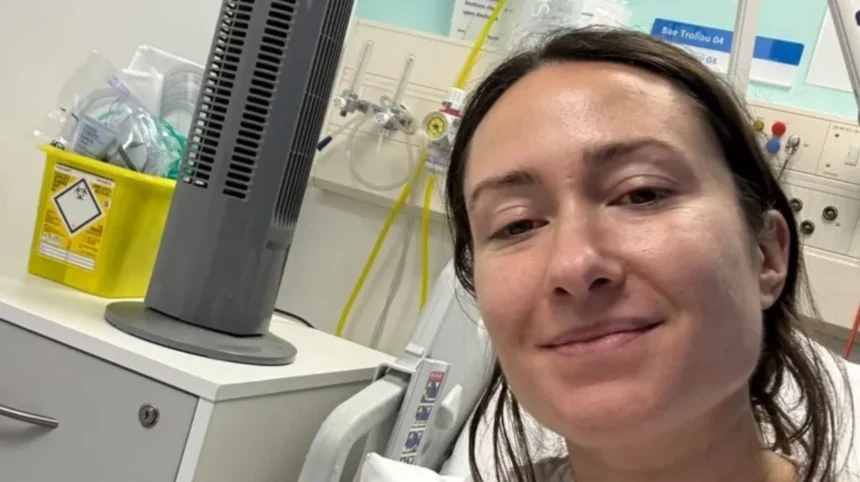
Cardiff (Cardiff Daily) November 23, 2026 –Holidaymaker Harriet Davies was left fighting for her life after suffering side effects from drugs she believed would help her. The 37-year-old fell ill with appendicitis while skiing in France in January. After having surgery and being given medication there, Davies, from Cardiff, returned home, though the pain persisted.
When she returned to hospital, a scan revealed an abscess in her abdomen, and she was prescribed antibiotics. Rather than resolving her condition, Davies became sicker. She experienced vomiting and a fever and was subsequently given different antibiotics. Davies noted that while the drugs worked, she was left with sore lips and a rash.
What happened when Harriet Davies’s immune system crashed during treatment?
As the complication unfolded, Davies’s condition deteriorated further, prompting urgent clinical intervention to guard against severe infection. According to reporting by the National News Desk correspondent, Davies described the turning point in her health and the warning signs identified by medical staff:
“I got a fever, and a blood test showed that my immune system had completely crashed,” Davies said.
Expanding on the clinical findings she was told about, Davies explained how her body’s defences were affected:
“The type of white blood cell that protects against infection was basically gone, I didn’t have any of that which was the first line of defence.”
With her protection against infection severely compromised, immediate action was required. As reported by the National News Desk correspondent, Davies stated that she had to return to hospital for urgent treatment:
“So, I had to go back to hospital then and have emergency antibiotics to basically stop me from getting sepsis.”
Why did Harriet Davies fear for her life during her hospitalisation?
Davies believed the antibiotics had made her ill. Reflecting on the gravity of the situation as her recovery stalled, Davies recounted the moment she grasped the severity of her illness. As reported by the National News Desk correspondent, Davies stated:
“I started realising that it wasn’t going the way they had expected and seeing the reaction of the clinical team around me, that was really scary for me.”
She added further on the risk she faced while unwell. According to the National News Desk correspondent, Davies stated:
“I started to realise that this is really serious and my life is potentially at risk here if I don’t get better from this infection.”
It took weeks before Davies recovered. Following her recovery, she urged others to be aware of drugs’ side effects.
Explore More Local Cardiff News
Cardiff Council Approves Social Housing Waiting List Changes in Cardiff 2026
Cardiff Council Buys 148 City Road and Gabalfa Flats Cardiff 2026
What is the background to antibiotic treatment and resistance in this case?
Antibiotic resistance happens when bacteria do not respond to medicines designed to treat them, making infections harder to treat. In cases involving post-surgical complications such as an abdominal abscess, clinicians frequently rely on targeted courses of antibiotics alongside other medical interventions to clear underlying infection and prevent life-threatening complications such as sepsis.
However, patients can also experience adverse reactions and side effects during treatment, which require careful monitoring by clinical teams.
How could this development affect patients and healthcare readers?
For patients, travellers, and members of the public reading about this case, the account highlights the importance of monitoring symptoms after medical procedures or medication changes, seeking prompt medical review if pain, fever, or new symptoms develop, and discussing potential side effects and risks with healthcare professionals. For healthcare readers and patients undergoing multi-stage care, it underscores the need to remain attentive to unexpected reactions during recovery while following medical guidance.