Key Points
- Defendant: Said Moussef, aged 67, freeholder and landlord of 105 Kings Road, Riverside, Cardiff.
- Appearing Before the Court: Appear before the Cardiff Magistrates’ Court on 9th October 2026 charged with six counts of various offences.
- Financial Fines: Required to pay a total of £3,509 which includes a £1,520 fine for committing the offence of Rent Smart Wales, £476 for breaching prohibition orders, £750 for Cardiff Council legal costs, and £763 victim surcharge.
- Committed Offences: Permitting prohibited flats to be used for residential purposes, failure to register a rented property, and property management without a licence.
- Hazards Related to Property: Issues include the lack of adequate fire alarm systems, poor fire doors, damp staining, falling hazards, unsuitable second-floor flat layout, and lack of control of heating supply for the tenants.
- Actions Taken by the Council: According to Kieran Molloy’s report published in Herald.Wales, the case information has been passed on to Rent Smart Wales by Cardiff Council cabinet member for housing and communities Cllr Lynda Thorne.
Cardiff (Cardiff Daily) October 16, 2026 – A Cardiff landlord has been ordered by the courts to pay over £3,500 following multiple serious breaches of Rent Smart Wales regulations and active property prohibition orders. Said Moussef, aged 67, appeared before Cardiff Magistrates’ Court where he entered guilty pleas to six separate housing and licensing offences. The prosecution, spearheaded by Cardiff Council enforcement officers following an inspection earlier in the year, exposed severe safety hazards, illegal re-letting practices, and a complete disregard for mandatory landlord licensing standards within the Welsh capital.
- Key Points
- Why Was the Cardiff Landlord Prosecuted in Court?
- What Financial Penalties Were Imposed on the Landlord?
- What Safety Hazards and Property Defect Findings Were Uncovered?
- How Do Rent Smart Wales Regulations Apply to Private Landlords?
- What Official Statements Were Issued Regarding the Case?
- Background of the Development
Why Was the Cardiff Landlord Prosecuted in Court?
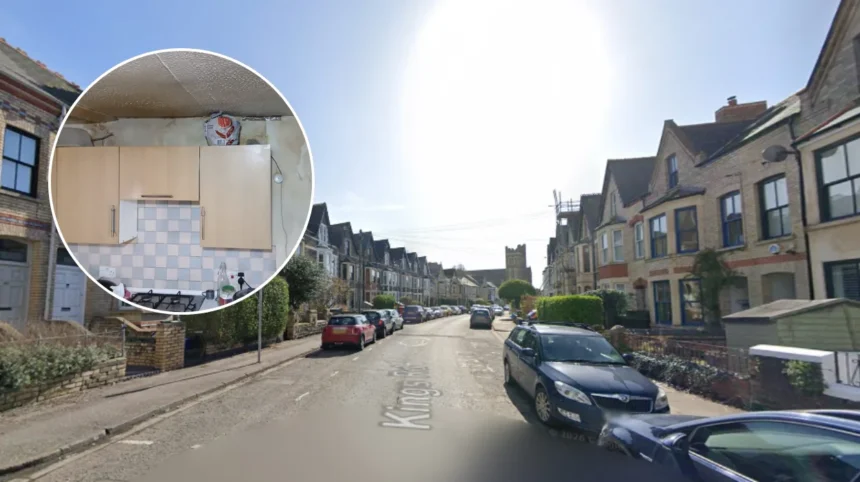
As reported by Kieran Molloy of Herald.Wales, the legal proceedings against Said Moussef unfolded after council officers investigated 105 Kings Road in the Riverside area of Cardiff in March 2026 following a public complaint. The inspection revealed that residential tenants were actively occupying first- and second-floor flats within the building despite formal prohibition orders remaining legally enforced against them.
When questioned under caution by enforcement officers, Moussef admitted that he had deliberately re-let the prohibited flats between October and November 2025 without completing the mandatory structural and safety remediation works required by the local authority. Consequently, Moussef pleaded guilty to six charges at Cardiff Magistrates’ Court on October 9, 2026. These charges encompassed failing to register the rented property, managing residential accommodation without a Rent Smart Wales licence, allowing prohibited flats to be utilised as living spaces, and violating two distinct property prohibition orders.
What Financial Penalties Were Imposed on the Landlord?
The judicial outcome resulted in a substantial financial penalty reflecting the severity of the housing code violations. As detailed by Kieran Molloy of Herald.Wales, the magistrates handed down a £1,520 fine specifically for the Rent Smart Wales regulatory offences. Additionally, Moussef received a £476 fine for breaching the active prohibition orders.
Beyond the direct criminal fines, the court ordered the landlord to cover Cardiff Council’s full prosecution and legal costs amounting to £750, alongside a mandatory victim surcharge of £763. This brought the aggregate financial liability for the landlord to a total of £3,509.
What Safety Hazards and Property Defect Findings Were Uncovered?
The council inspection uncovered a alarming array of building deficiencies and safety hazards endangering the occupants living inside the property. According to reporting by Kieran Molloy of Herald.Wales, officers identified multiple critical issues, including an inadequate and compromised fire alarm system, incomplete or defective fire doors that failed basic safety standards, widespread damp staining on walls, and structural falling hazards.
Furthermore, investigating officers raised serious concerns regarding the atypical layout of the second-floor flat. Another major welfare violation discovered during the audit was that individuals residing in the first-floor flat possessed zero control over their property’s heating. The heating system was entirely governed by a boiler located in the ground-floor flat, to which the first-floor tenants had no physical access or operational control.
Explore more Cardiff Crime News
Organised Crime Gang Targeted Child in Retaliation Shooting in Bridgend 2026
Boxer Joe Cordina Stands Trial Over Petrol Station Brawl Cardiff 2026
How Do Rent Smart Wales Regulations Apply to Private Landlords?
Rent Smart Wales serves as the mandatory statutory licensing and registration scheme governing private landlords and letting agents across Wales under the provisions of the Housing (Wales) Act 2014. As noted in the coverage by Kieran Molloy of Herald.Wales, official database checks confirmed that the flats situated at the Kings Road address were entirely unregistered, and Moussef held no valid licence authorising him to legally manage residential rental properties.
The regulatory framework exists to guarantee that rental housing stock achieves baseline habitability, structural safety, and management competency, protecting vulnerable tenants from rogue operating practices.
What Official Statements Were Issued Regarding the Case?
The local authority underscored its firm stance against landlords who flout housing laws and jeopardize tenant safety. Highlighting the broader policy implications, Cardiff Council cabinet member for housing and communities, Cllr Lynda Thorne, issued a direct statement as reported by Kieran Molloy of Herald.Wales:
“Landlords have clear legal responsibilities when renting out property in Cardiff, including ensuring they meet the registration and licensing requirements of Rent Smart Wales.”
Emphasizing the vital public protection role of the housing legislation, Cllr Thorne stated, as quoted by Kieran Molloy of Herald.Wales:
“These requirements are in place for an important reason. They help support proper standards in the private rented sector and provide greater protection for tenants.”
Detailing the specific failures identified during the investigation, Cllr Thorne added, via Herald.Wales reporting by Kieran Molloy:
“In this case, the property was not registered, and the landlord was not licensed to manage it. Flats had also been re-let despite Prohibition Orders remaining in place.”
Warning other non-compliant operators within the property market, Cllr Thorne concluded, as documented by Kieran Molloy of Herald.Wales:
“While private sector landlords make an invaluable contribution to Cardiff’s housing stock, the Council will act where landlords fail to meet their legal responsibilities and put tenants at risk.”
Furthermore, Cardiff Council confirmed that comprehensive records of the successful prosecution have been formally transmitted to Rent Smart Wales authorities. The regulatory body will now independently evaluate whether Said Moussef maintains his legal standing as a “fit and proper person” to hold a licence to manage his wider portfolio of privately rented accommodation properties across Cardiff.
Background of the Development
The prosecution of Said Moussef occurs against a backdrop of intensifying regulatory enforcement by Welsh local authorities under the Housing (Wales) Act 2014 and the Rent Smart Wales framework. Since the full implementation of mandatory landlord licensing and property registration in Wales, local councils have increasingly utilized civil penalties, rent repayment orders, and criminal prosecutions to combat substandard housing conditions. Riverside and other inner-city wards in Cardiff have experienced heightened housing enforcement scrutiny due to high concentrations of Houses in Multiple Occupation (HMOs) and converted flats. Prohibition orders are statutory notices served by local housing authorities to prevent the use of buildings or specific parts of buildings where serious hazards—such as severe damp, fire safety failures, or structural defects—pose an imminent risk to human health and safety. The ongoing cooperation between municipal housing enforcement teams and Rent Smart Wales aims to eliminate unlawful property management, target rogue landlords, and safeguard tenant welfare across the Welsh private rented sector.
This legal development is expected to significantly impact private landlords, letting agents, and residential tenants across Cardiff and the wider Welsh housing market. For landlords and property portfolio holders, the severe financial penalties and public court proceedings serve as a stern warning regarding the absolute necessity of maintaining active Rent Smart Wales licences, registering properties, and strictly obeying prohibition orders. Local enforcement agencies are likely to intensify property inspections and cross-reference licensing registries with tenant complaints, leading to an increased rate of prosecutions against non-compliant operators. For tenants residing in the private rented sector, this enforcement action signals stronger municipal protection against hazardous living conditions, unlawful re-letting of prohibited spaces, and neglectful property management. Furthermore, the referral of the landlord to Rent Smart Wales for a “fit and proper person” review could result in the revocation of licensing across his broader portfolio, highlighting that regulatory non-compliance carries long-term commercial and operational consequences for property investors in South Wales.