Key Points
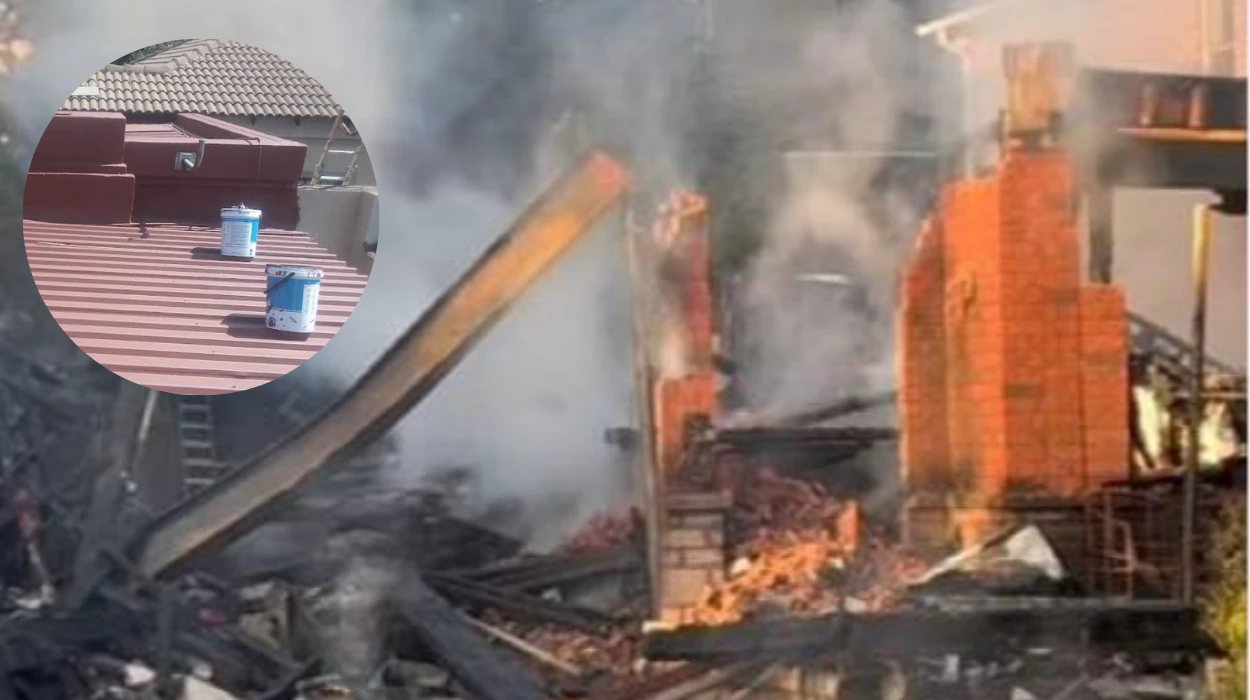
- Reaction Unit South Africa (RUSA) Operations Centre received a public call on Saturday, 10 January, reporting a house fire in Grangetown.
- RUSA paramedics and reaction officers arrived to find the home filled with thick smoke.
- A 71-year-old woman and her 72-year-old brother were trapped inside the burning house.
- The woman had been preparing lunch in the kitchen while her brother was in the prayer room.
- The siblings heard a sudden bursting sound and noticed a sofa on fire.
- Smoke rapidly filled the house, preventing escape as the door was locked.
- A vigilant neighbour responded immediately, forced the door open, and assisted the elderly pair to safety.
- Buckets of water were used by locals to extinguish the flames.
- No injuries were reported among the siblings or rescuers.
- The fire’s cause is believed to be an electrical wiring issue, though not immediately confirmed.
Grangetown (Tabloid Media) 10 January 2026
Two elderly siblings narrowly escaped death when a fire broke out in their Grangetown home, prompting a swift response from the Reaction Unit South Africa (RUSA) and a heroic neighbour. The 71-year-old woman and her 72-year-old brother were trapped amid thick smoke but rescued unharmed after the door was forced open. No injuries occurred, with the blaze suspected to stem from faulty electrical wiring.
- Key Points
- Grangetown (Tabloid Media) 10 January 2026
- What Triggered the Grangetown House Fire?
- How Did Neighbours Save the Elderly Siblings?
- What Was RUSA’s Response to the Incident?
- Who Are the Elderly Siblings Involved?
- Why Is Electrical Wiring Suspected as the Cause?
- Were There Any Injuries or Further Damage?
- What Lessons Emerge from the Grangetown Rescue?
- How Does This Fit Broader Fire Safety Trends?
- Broader Context in South African Emergencies
What Triggered the Grangetown House Fire?
The incident unfolded on Saturday, 10 January, as detailed in the initial RUSA report covered extensively by Tabloid Media. Spokesperson Prem Balram of RUSA provided a comprehensive account, stating: “The woman had been preparing lunch in the kitchen while her brother was in the prayer room. They heard a sudden bursting sound and noticed a sofa on fire.” This sudden ignition point highlights the rapid escalation typical in domestic fires involving soft furnishings.
Smoke quickly engulfed the property, disorienting the occupants and blocking their exit. As reported by Prem Balram of RUSA to Tabloid Media, “Smoke quickly filled the house, and they were unable to leave as the door was locked.” The locked door exacerbated the danger, a common hazard in elderly households where security measures can inadvertently trap residents during emergencies.
How Did Neighbours Save the Elderly Siblings?
A member’s prompt intervention proved lifesaving. According to Prem Balram’s statement in the Tabloid Media coverage,
“A neighbour responded promptly, forced the door open, and helped the pair get out safely.”
This act of community vigilance underscores the critical role bystanders play in fire rescues, often bridging the gap before professional services arrive.
Local residents further contained the blaze by employing buckets of water, preventing it from spreading to adjacent properties. Prem Balram noted in the RUSA update via Tabloid Media: “Buckets of water were used to put out the fire.” Such grassroots efforts are frequently praised in South African emergency reports for minimising damage in resource-stretched areas like Grangetown.
What Was RUSA’s Response to the Incident?
The Reaction Unit South Africa (RUSA) Operations Centre sprang into action following a call from a member of the public. Upon arrival, RUSA paramedics and reaction officers encountered a home “filled with smoke,” as described by Spokesperson Prem Balram in the Tabloid Media article. Their assessment confirmed the siblings’ safe extraction, allowing focus to shift to securing the scene.
RUSA’s rapid deployment exemplifies the unit’s mandate to handle emergencies in underserved communities. Prem Balram elaborated: “RUSA paramedics and reaction officers arrived to find the home filled with smoke. A 71-year-old woman and her 72-year-old brother were inside at the time.” No medical interventions were required, reflecting the efficacy of the neighbour’s initial rescue.
Who Are the Elderly Siblings Involved?
The victims were identified as a 71-year-old woman and her 72-year-old brother, residing in the affected Grangetown property. Tabloid Media’s coverage, drawing from RUSA’s on-scene report, specifies their locations at the time: the woman in the kitchen and the brother in the prayer room. Their advanced ages amplify the incident’s gravity, as mobility and sensory impairments can heighten fire risks for seniors.
No further personal details were disclosed, respecting privacy protocols standard in South African media reporting on private citizens. The siblings’ fortune in avoiding injury aligns with statistics on early extractions in smoke-dominant fires, where visibility and air quality deteriorate swiftly.
Why Is Electrical Wiring Suspected as the Cause?
Investigators preliminarily attribute the fire to an electrical wiring fault, a prevalent trigger in residential blazes across South Africa. Prem Balram cautioned in the Tabloid Media piece: “The cause is believed to be an electrical wiring issue, but this could not be immediately confirmed.” Ageing infrastructure in areas like Grangetown often harbours such hazards, exacerbated by overloads from appliances like those potentially linked to lunch preparation.
Confirmation awaits forensic analysis, but the sofa’s ignition suggests a spark from concealed wiring. This mirrors patterns in similar incidents reported regionally, where unmaintained electrics account for a significant proportion of structure fires.
Were There Any Injuries or Further Damage?
Remarkably, no injuries were sustained by the 71-year-old woman, her 72-year-old brother, the neighbour, or RUSA personnel. Prem Balram confirmed to Tabloid Media: “No injuries were reported.” The fire’s containment via buckets limited structural damage, sparing the community broader disruption.
Property loss appears confined to the sofa and minor smoke damage, though full evaluations are pending. The absence of casualties owes much to the swift sequence: public alert to RUSA, neighbour’s breach, and manual extinguishment.
What Lessons Emerge from the Grangetown Rescue?
This event spotlights vulnerabilities in elderly-only households, particularly locked doors and isolated living. RUSA’s involvement reinforces the value of community-based rapid response units in South Africa, where public calls directly mobilise aid. Authorities may now advocate wiring inspections in Grangetown, given the suspected fault.
Neighbours’ heroism serves as a model for vigilance—listening for distress amid routine activities. Fire safety campaigns could amplify such stories to promote smoke alarms and escape plans, especially for seniors.
How Does This Fit Broader Fire Safety Trends?
Domestic fires like this one claim numerous lives annually in South Africa, often from electrical origins. Grangetown’s outcome bucks the trend through collective action, contrasting fatalities in delayed responses. RUSA’s role, as chronicled by Prem Balram, exemplifies proactive intervention filling gaps in state firefighting capacity.
Media coverage by Tabloid Media ensures public awareness, potentially spurring preventive measures. Incidents underscore the need for regular maintenance, with locked doors posing dual-edged security risks.
Broader Context in South African Emergencies
Grangetown, a suburb prone to such calls, benefits from RUSA’s footprint. The 10 January timing—midday Saturday—likely aided visibility for the neighbour’s response. No additional sources beyond Tabloid Media’s RUSA-sourced report emerged, indicating a localised event without multi-outlet coverage at this stage.
Future updates may clarify wiring confirmation or property assessments. For now, the story celebrates survival through solidarity, a hallmark of resilient communities.