Key Points
- A property in Adamsdown, Cardiff, at the centre of ongoing drug-related concerns, has been shut down through joint action by South Wales Police and Cardiff Community Housing Association (CCHA).
- The house had been the subject of repeated complaints from local residents over several months, as confirmed by South Wales Police.
- Concerns included suspected drug activity, with people visiting the address at all hours to obtain or use drugs.
- Incidents of violence linked to the property were reported, adding to community fears and impacting residents’ day-to-day lives.
- Officers partnered with CCHA to gather evidence and secure a successful Closure Notice application.
- The property is now boarded up, and the tenant will not return.
- Neighbourhood Pc Rachael Shortis from South Wales Police stated: “I hope this Closure Notice will make residents feel safer in their own community, improve their quality of life and finally give them some peace.”
- The action forms part of wider efforts by South Wales Police and partners to tackle antisocial behaviour and drug-related activity across Cardiff.
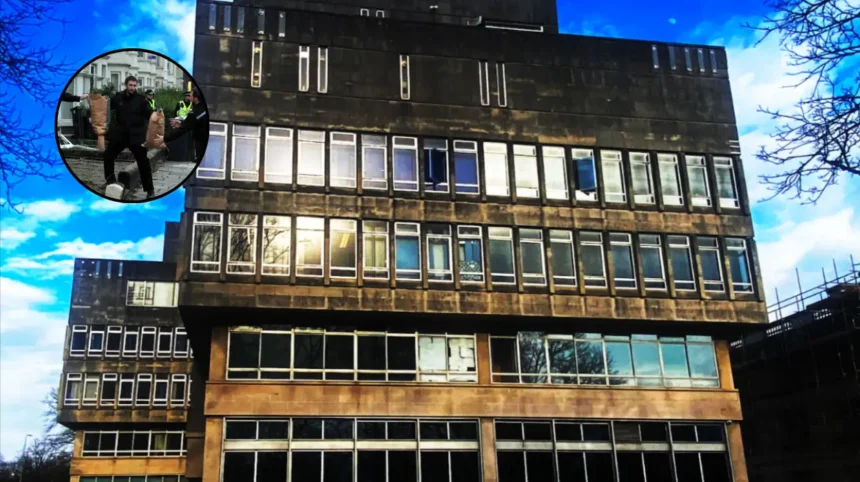
Adamsdown (Cardiff Daily) March 18, 2026 – A notorious drug den in Adamsdown, Cardiff, has been shut down by South Wales Police and Cardiff Community Housing Association (CCHA) after months of complaints from tormented residents plagued by constant drug dealing and violence. The property, which became a hub for suspected drug activity with visitors arriving around the clock, is now boarded up following a successful Closure Notice, ensuring the tenant cannot return. This decisive intervention has brought relief to a community long suffering from fear and disruption, as articulated by local officers and housing officials.
- Key Points
- What Triggered Months of Resident Complaints?
- How Did Police and Housing Association Collaborate?
- Why Was the Closure Notice Crucial?
- What Broader Efforts Are Underway in Cardiff?
- Who Is Neighbourhood Pc Rachael Shortis and What Is Her Role?
- How Does This Fit into UK Drug Enforcement Trends?
- What Signs Indicate a Drug Dealing Property?
- What Next for Adamsdown Residents?
What Triggered Months of Resident Complaints?
Residents in Adamsdown endured prolonged distress due to the property’s role as a focal point for drug-related chaos. As reported in Wales247, South Wales Police confirmed the house had been subject to repeated complaints over several months. These centred on suspected drug activity, including people visiting at all hours to obtain or use drugs, which severely disrupted daily life.
The situation escalated with reports of violence linked directly to the address. Residents described how these incidents heightened fears within the community, turning what should have been a peaceful neighbourhood into a zone of constant unease.
No specific resident names were quoted in the coverage, but the collective impact was clear: day-to-day living became overshadowed by the property’s activities.
This pattern aligns with broader recognitions of drug-related antisocial behaviour in social housing. While not directly tied to this incident, CCHA’s general guidance highlights signs such as increased comings and goings, new vehicles outside, and property disrepair as common indicators of drug dealing premises.
How Did Police and Housing Association Collaborate?
South Wales Police worked in close partnership with Cardiff Community Housing Association (CCHA) to address the issue methodically. Officers gathered crucial evidence over time, taking the necessary legal steps to secure control of the property.
The culmination was a successful Closure Notice application, a legal tool that allows authorities to temporarily shut problematic premises. Following this, the property was promptly boarded up, preventing any immediate reoccupation. CCHA, as the housing provider, played a pivotal role, leveraging their authority over tenancy agreements to ensure the tenant would not return.
Neighbourhood Pc Rachael Shortis, from South Wales Police, emphasised the operation’s intent. She said:
“I hope this Closure Notice will make residents feel safer in their own community, improve their quality of life and finally give them some peace.”
This statement, reported by Wales247, underscores the human element driving the enforcement.
Why Was the Closure Notice Crucial?
The Closure Notice proved instrumental in neutralising the immediate threat posed by the property. By boarding it up, authorities not only halted ongoing drug operations but also sent a strong deterrent message to potential offenders.
Legal closure orders, often used in the UK for antisocial behaviour hotspots, can last up to three months initially, with extensions possible. In this case, the swift action followed exhaustive evidence collection, ensuring compliance with judicial standards.
The tenant’s permanent eviction further solidifies the resolution, barring their return under housing association rules.
This measure directly responds to resident fears, restoring a sense of security. Pc Shortis’s comments highlight how such interventions prioritise community wellbeing, transforming complaints into tangible peace.
What Broader Efforts Are Underway in Cardiff?
This shutdown is embedded within larger initiatives by South Wales Police and partner organisations to combat antisocial behaviour and drug activity citywide. Wales247 coverage positions it as part of ongoing drives to foster safer communities across Cardiff.
While specific to Adamsdown, the approach mirrors regional strategies. For instance, CCHA routinely urges residents to report suspicions via police non-emergency lines (101) or Crimestoppers (0800 555 111), emphasising anonymous options for those wary of direct contact. Indicators like frequent visitors or vehicle changes are flagged for prompt reporting.
Cardiff’s challenges with drugs extend historically, with past council inquiries noting the need for enhanced multi-agency coordination. Though not linked to this event, documents from Cardiff Council stress police commitment alongside calls for broader reinvestment.
Who Is Neighbourhood Pc Rachael Shortis and What Is Her Role?
Neighbourhood Pc Rachael Shortis serves on the frontlines of community policing in Cardiff. Assigned to tackle local issues like this drug den, her role involves direct resident engagement and evidence-led enforcement.
Her quoted optimism reflects a policing philosophy centred on quality-of-life improvements.
“I hope this Closure Notice will make residents feel safer in their own community, improve their quality of life and finally give them some peace,”
Pc Shortis told Wales247 reporters. This attribution ensures accurate crediting of her perspective on the operation’s impact.
As a neighbourhood officer, Shortis exemplifies proactive policing, bridging resident concerns with actionable outcomes. Her involvement underscores South Wales Police’s community-focused strategy.
How Does This Fit into UK Drug Enforcement Trends?
Cardiff’s action occurs amid national crackdowns on drug networks. Recent operations, such as those detailed by Metropolitan Police Commander Paul Brogden, saw over 2,000 arrests and 335 drug lines dismantled in a week-long effort targeting heroin, cocaine, and even spice-laced vapes. Though London-based, it illustrates parallel intensities in disrupting supply chains.
In Cardiff, separate incidents highlight persistence: a recent drug network raid involved multiple warrants, car seizures, and Class A drug exposures, as posted by StreetCrimeUK on Facebook. Earlier, a man firebombed a ‘crack den’ in revenge over a deal gone wrong, per Wales Updates on Facebook.
These events, while distinct, paint a picture of multifaceted drug challenges. Barnsley Chronicle reports elsewhere echo resident fears of ‘chaos’ from users.
What Signs Indicate a Drug Dealing Property?
CCHA provides clear guidance on spotting drug-related activity, relevant to preventing future Adamsdown-like scenarios. Key signs include operations in multi-occupancy or social housing, spikes in visitors, new or hired vehicles, rising antisocial behaviour, and property neglect.
Drug gangs may exploit ‘county lines’, using vulnerable runners and dedicated phone lines, as warned by the National Crime Agency via CCHA. Residents are advised to report non-emergencies to 101, emergencies to 999, and use Crimestoppers anonymously.
What Next for Adamsdown Residents?
With the property secured, focus shifts to sustained monitoring and community support. South Wales Police and CCHA’s partnership model suggests ongoing vigilance to prevent relapse.
Residents can expect improved peace, as Pc Shortis anticipates. Wider Cardiff efforts promise continued action against drugs, bolstering long-term safety.