Key Points
- An inquest has opened and been adjourned into the death of newborn Cameron Jay Griffiths at the University Hospital of Wales (UHW) in Cardiff.
- Cameron Jay Griffiths, of Ynysforgan, Swansea, was one day, 19 hours and 22 minutes old when he died at UHW on 27 December 2025 .
- The hearing took place at Pontypridd Coroner’s Court on 10 July 2026 and was convened by Andrew Morse, the South Wales Central Coroner.
- The inquest was opened and immediately adjourned, meaning no full findings have been made yet and further evidence will be gathered before a future hearing.
- Concerns have been raised about the circumstances surrounding the baby’s death, though the inquest has not yet determined cause or any contributing factors .
- The case is being heard within the South Wales Central Coroner’s Office, which covers Cardiff and surrounding areas.
- Similar high-profile inquests into baby deaths at UHW in recent years have raised questions about staffing, monitoring, and maternity/neonatal care protocols.
- The inquest process in Wales is currently under wider scrutiny, with some families calling for independent investigations into baby deaths rather than internal health-board-led reviews.
- No official cause of death, timeline of events, or attribution of responsibility has been announced at this stage.
- The family of Cameron Jay Griffiths has not publicly commented in the available reports, and the inquest remains ongoing .
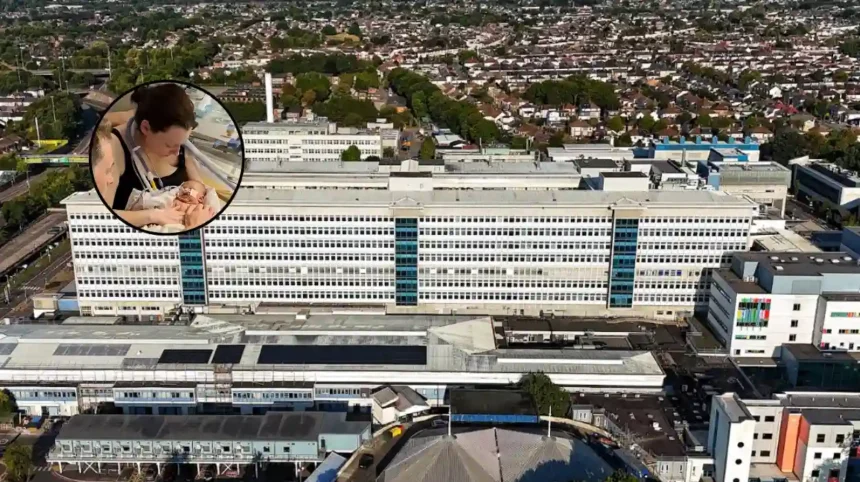
Cardiff (Cardiff Daily) July 10, 2026 – Concerns have been raised after the death of a one-day-old baby at the University Hospital of Wales (UHW) in Cardiff, an inquest has heard, as the coroner opened and then immediately adjourned proceedings into the case of Cameron Jay Griffiths.
- Key Points
- Who Was Cameron Jay Griffiths and When Did He Die?
- Where Did the Inquest Take Place and Who Is Leading It?
- What Did the Inquest Hear So Far?
- How Have Families and Advocates Responded to UHW Deaths?
- What Outcomes Can the Inquest Eventually Reach?
- What Broader Scrutiny Exists Over Welsh Maternity and Neonatal Services?
- Background: The University Hospital of Wales and Recent Neonatal and Maternity Inquests
- Prediction: How Could This Development Affect Families, Staff, and the Public?
- For Hospital Staff and Management
- For the Wider Public and Policy Makers in Wales
Who Was Cameron Jay Griffiths and When Did He Die?
Little Cameron Jay Griffiths, of Ynysforgan, Swansea, was one day, 19 hours and 22 minutes old when he died at UHW on 27 December 2025, the hearing at Pontypridd Coroner’s Court on 10 July 2026 was told .
The inquest, overseen by Andrew Morse of the South Wales Central Coroner’s Office, was opened on the morning of 10 July and then adjourned, meaning that the coroner has not yet made any findings about the cause of death or circumstances around it.
Where Did the Inquest Take Place and Who Is Leading It?
The hearing was held at Pontypridd Coroner’s Court, part of the South Wales Central Coroner’s Service, which is responsible for investigating deaths in areas including Cardiff and the wider South Wales region.
As reported by the South Wales Central Coroner’s Office listing, the inquest into Cameron Jay Griffiths’ death was scheduled for 10 July 2026 at 09:15 am, with Andrew Morse listed as the coroner conducting the hearing.
What Did the Inquest Hear So Far?
As reported in initial coverage, the inquest heard that concerns have been raised after the death of a one-day-old baby at UHW, but no further details about medical cause, timing of events, or potential failures were disclosed at this early stage .
The inquest was opened and then adjourned, which is a standard procedural step when the coroner needs to obtain further evidence, reports, or witness statements before proceeding to a full hearing.
Why Has This Baby Death Raised Concerns at UHW?
In recent years, UHW has been the subject of multiple inquests into newborn deaths that have raised serious concerns about care standards, staffing, and monitoring in maternity and neonatal units.
As reported by Wales Online and other outlets, at least two other high-profile cases have involved babies who died at UHW after being left unattended or under inadequate care:
- Liliwen Iris Thomas, who died 20 hours after birth in October 2022 after her mother gave birth alone while in a coma due to pain-relief medication.
- Lakshith Guptha Nalla, a four-week-old baby who died in May 2024 after being left malnourished, dehydrated, and on damp bedding in an understaffed neonatal intensive care unit (NICU).
In the Lakshith case, coroner Rachel Knight described the care as “wholly inadequate” and linked the death to chronic staffing shortages, though she concluded there was insufficient evidence to formally classify the failings as neglect.
How Have Families and Advocates Responded to UHW Deaths?
Families bereaved by baby deaths at UHW have called for independent investigations rather than reviews conducted by staff within the same health board, arguing that internal processes may lack impartiality.
As reported by Slater Gordon, Emily Brazier, mother of Liliwen Iris Thomas, has publicly stated that her baby’s death “must not be in vain” and has urged for all maternity and neonatal investigations in Wales to be conducted independently.
An independent evaluation of all Welsh maternity and neonatal services began in July 2025 to assess alignment with national guidelines, according to later reporting on the Liliwen case.
What Is an Inquest and What Can It Establish?
An inquest is a legal fact-finding inquiry conducted by a coroner to determine who died, when, where, and how, but not to assign criminal or civil liability.
When an inquest is “opened and adjourned,” the coroner formally records the identity of the deceased and the basic facts of the death, then suspends the hearing to allow time for further evidence, such as medical reports, witness statements, or expert testimony, before a full continued hearing.
What Outcomes Can the Inquest Eventually Reach?
At the conclusion of a full inquest, the coroner may issue a narrative verdict describing the circumstances, or in some cases find that neglect or other factors contributed to the death, similar to earlier UHW baby death cases.
The coroner also has the power to issue a “Prevention of Future Deaths” report if they identify systemic issues that could help prevent similar tragedies, as happened in the Liliwen case.
How Has UHW Responded to Past Tragedies and What Changes Have Been Made?
Following the Liliwen inquest, the local health board introduced changes to the way pain relief is administered during labour and revised protocols for maternity care, including tighter monitoring of mothers receiving high doses of opioids and unrestricted gas and air.
An official review noted that several key changes had been in place at the board since 2022, such as limiting who can use gas and air without supervision, adjusting doses of other pain medications, and reevaluating induction procedures.
What Broader Scrutiny Exists Over Welsh Maternity and Neonatal Services?
As reported in coverage of the Liliwen case, an independent evaluation of all Welsh maternity and neonatal services commenced in July 2025 to assess how these services align with national guidelines and to identify areas for improvement.
This broader scrutiny comes amid ongoing concerns from families and advocates about the consistency and independence of investigations into baby deaths across Wales.
Background: The University Hospital of Wales and Recent Neonatal and Maternity Inquests
The University Hospital of Wales (UHW) in Cardiff is the largest hospital in Wales and a key centre for maternity and neonatal care, serving a wide population across South Wales.
In the past decade, UHW has been the focus of several high-profile inquests into baby deaths, including:
- The 2012 case of Noah Tyler, where a coroner found that gross failure to provide basic medical attention to a mother in childbirth contributed to her baby’s death.
- The 2022–2025 inquest into Liliwen Iris Thomas, who died after an unattended birth while her mother was in a coma due to pain-relief medication.
- The 2024–2025 inquest into Lakshith Guptha Nalla, a four-week-old baby who died after being left underfed and on damp bedding in an understaffed NICU.
These cases have led to internal policy changes at the local health board and have contributed to wider calls for independent scrutiny of maternity and neonatal services across Wales.
The inquest into Cameron Jay Griffiths’ death is now part of this ongoing pattern of scrutiny, though at this stage no findings have been made and the case remains open for further investigation.
Prediction: How Could This Development Affect Families, Staff, and the Public?
If the inquest into Cameron Jay Griffiths’ death identifies specific failures or systemic issues, it could increase anxiety among families considering UHW for maternity or neonatal care, particularly those with high-risk pregnancies or preterm babies.
Conversely, if the inquest leads to clear recommendations and subsequent improvements, it may eventually reassure families that the hospital is taking concrete steps to prevent similar tragedies, much as changes were introduced after the Liliwen and Lakshith cases.
For Hospital Staff and Management
A finding of inadequate care or contributing neglect could place additional pressure on midwives, neonatal nurses, and senior managers at UHW, potentially leading to more rigorous oversight, audits, and training requirements.
Staff may also face increased scrutiny over documentation, monitoring protocols, and staffing levels, with any identified gaps potentially leading to workload changes or resource decisions by the health board.
For the Wider Public and Policy Makers in Wales
Should this inquest reinforce concerns about staffing, monitoring, or independence of investigations, it could add momentum to calls for a fully independent body to investigate baby deaths in Wales, rather than relying on internal health-board processes.
The outcome may also influence how national guidelines for maternity and neonatal care are reviewed and implemented, potentially leading to tighter standards across Welsh hospitals if systemic weaknesses are confirmed.
At present, the inquest into Cameron Jay Griffiths has not yet determined cause or responsibility, but its progression and eventual findings will likely be closely watched by families, clinicians, and policymakers concerned with the safety of maternity and neonatal services at UHW and beyond.