Key Points
- Argyll and Bute Council approved additional Crown Estate funding allocations on 19 February 2026, including £100,000 specifically for Helensburgh skating pond to improve path infrastructure and add enhanced seating.
- Helensburgh Conservation Area Regeneration Scheme receives £135,000 as match funding for the ongoing Helensburgh regeneration project.
- The skating pond, a Local Nature Conservation Site in Helensburgh’s Green Belt, faces issues with invasive species, silted areas, and deteriorating paths built around 2000.
- Earlier Scottish Government funding of £50,000 from the Nature Conservation Fund enabled initial assessments, community surveys by Scott+Simmons Landscape Architects (closed 26 June 2025), and an open day on 29 June 2025.
- Executive Director Kirsty Flanagan noted projected capital costs around £1 million for comprehensive works like drainage improvements, silt removal, invasive species planting, boardwalks, and fencing, with £75,000 already secured externally.
- Councillor Jim Lynch, Policy Lead for Economic Development, Housing, Islands and Communities, stated: “The purpose of Crown Estate funding is to support, develop and enhance our coastal communities. All the projects being supported with this latest round of funding will play a key role in upgrading and progressing a wide range of infrastructure across our communities.”
- Total Crown Estate allocation for 2025/26 is £2,358,044, with £1,407,000 previously agreed and £949,500 newly proposed, covering multiple coastal projects beyond Helensburgh.
- The skating pond project timeline spans February 2025 to May 2026, focusing on public access, environmental interpretation, and learning opportunities without initial capital works due to funding limits.
- Community engagement included surveys on usage and desires for the pond at the top of Sinclair Street next to the reservoir, contactable via jon@scottsimmonsla.co.uk for queries.
- This funding builds on prior £800,000 Crown Estate approvals in August 2025 for other projects like Inveraray Avenue screen refurbishment and Gallanach Road rock slope protection.
Helensburgh (Cardiff Daily) February 20, 2026 – Argyll and Bute Council has allocated fresh Crown Estate funding to regenerate the historic Helensburgh skating pond and its neighbouring conservation area, marking a significant step towards enhancing local biodiversity and public access. The approvals, confirmed at a recent Policy and Resources Committee meeting, provide £100,000 for the pond’s path infrastructure and seating, alongside £135,000 match funding for the broader conservation scheme.
What Funding Has Been Secured for Helensburgh Skating Pond?
The Helensburgh former skating pond, a cherished Local Nature Conservation Site within the town’s Green Belt, has received targeted financial support amid ongoing regeneration efforts. As detailed in Argyll and Bute Council’s official announcement, £100,000 from the 2025/26 Crown Estate revenue allocation will prioritise improvements to path infrastructure and the installation of enhanced seating.
This funding forms part of a £949,500 additional allocation from the total £2,358,044 Crown Estate sum confirmed by the Scottish Government in November 2025. Previously, in August 2025, councillors approved £800,000 for various coastal initiatives, though the skating pond was not then specified.
Earlier groundwork was supported by £50,000 from the Scottish Government’s Nature Conservation Fund, as reported in a September 2025 council update document. This enabled consultants to produce interim findings, engage local primary schools, and conduct community consultation without undertaking capital works at that stage.
As reported by BBC News in a December 2024 article, Executive Director Kirsty Flanagan outlined a hybrid project proposal for ecological benefits and high-quality nature space, estimating total capital costs at approximately £1 million. These costs include preliminary expenses, contingencies, design, surveys, approvals, and management. Flanagan stated: “The estimated capital costs include works to enhance access at the far corner of the skating pond, which is not under council ownership.” She added that the team had secured about £75,000 externally and was pursuing more, with access enhancements potentially funded later or via in-kind contributions.
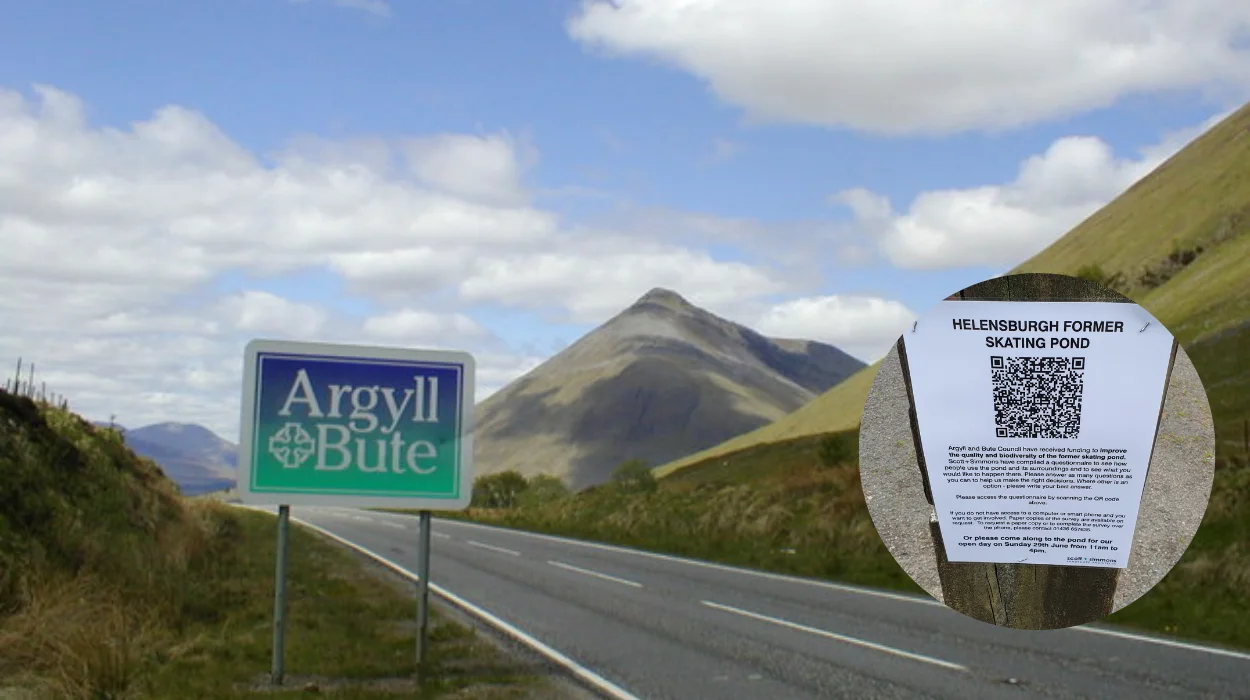
The Rhu and Shandon Community website, in a June 2025 update, highlighted Scottish Government funding for initial biodiversity and quality improvements. Scott+Simmons Landscape Architects conducted a survey on usage and community wishes, closing on 26 June 2025, with an open day held on 29 June from 11am to 4pm. The site is located at the top of Sinclair Street next to the reservoir.
Why Does the Helensburgh Skating Pond Need Regeneration?
Over time, the skating pond and surrounding areas have deteriorated significantly, prompting the regeneration push. According to the council’s September 2025 regeneration projects update, the pond has filled with invasive species, while paths constructed circa 2000 require urgent repair and improvement.
It serves as part of the Green Network and Core Path Plan, regularly used for walks, but maintenance issues have diminished its appeal. The proposed works, as per the BBC report, encompass drainage enhancements, silt removal, invasive species eradication, native planting, boardwalk construction, and fencing.
Kirsty Flanagan emphasised the council’s preference for a hybrid approach delivering ecological advantages, though funding gaps remain a challenge. The December 2024 Lom area committee was set to review a report on 9 December detailing these options.
Community input has been central, with the Scott+Simmons survey seeking views on desired outcomes, reflecting broad local interest in restoring this natural asset.
How Does the Conservation Area Fit into This Funding?
Parallel to the pond, the Helensburgh Conservation Area Regeneration Scheme (CARS) benefits from £135,000 in match funding under the same Crown Estate tranche. This supports the wider Helensburgh regeneration project, ongoing since 2021 with a £2.4 million budget, including £500,000 from the council and £1.24 million from Historic Environment Scotland (HES).
Works on priority buildings commenced in September 2024, with more scheduled for August 2025. The scheme also funds a project officer, modern apprentice, lime mortar training, and webinars on property maintenance.
Councillor Jim Lynch underscored the funding’s role: “At the same time, the initiatives being progressed will help to further grow the local economy of Argyll and Bute by playing their part in improving our community spaces and encouraging more visitors to the region.”
This aligns with broader efforts like the Helensburgh CARS, contrasting with other schemes such as Lochgilphead CARS (£2.2 million, concluding March 2026), which has delivered shopfronts, training, and repairs.
What Is the Timeline and Next Steps for These Projects?
The skating pond initiative runs from February 2025 to May 2026, focusing initially on assessments and planning before capital phases. A final consultant report with preliminary costs will recommend a preferred option.
Crown Estate funds enable immediate path and seating works, prioritised for coastal community benefits since Scottish Ministers’ 2014 commitment to allocate 100% of net revenue locally.
The Policy and Resources Committee approved the allocations recently, with delivery across Argyll and Bute’s coastal areas. Further external funding pursuits continue, as Flanagan noted ongoing efforts.
Community involvement remains key, building on the 2025 survey and open day, ensuring regeneration meets local needs while enhancing biodiversity and accessibility.
Who Benefits from This Regeneration Funding?
Local residents, walkers, and visitors stand to gain from improved access and ecology at the pond, part of Helensburgh’s protected open spaces. Businesses in the conservation area will see uplift via match funding supporting heritage works.
The projects contribute to economic growth, as Lynch highlighted, by upgrading infrastructure and attracting tourism. Since 2014, councils like Argyll and Bute determine spending on community projects or third-sector grants.
Broader context includes £260,000 for town centre shopfronts, £80,000 for Dunoon public realm, and more, prioritising previous unsuccessful applicants under the Love Local campaign.
Challenges persist, with £1 million total pond costs a potential burden, but secured grants mitigate this. Neutral observers note the balanced approach weighs ecological gains against fiscal prudence.