Key Points
- The Welsh government has responded to a major water industry review with proposals for a “once-in-a-generation” shake-up of the nation’s water system.
- Key reforms include a new standalone regulator to replace Ofwat, national plans to upgrade ageing pipes and sewers, and limits on spreading sewage sludge and septic tank sludge on land as fertiliser.
- Ministers aim to deliver “cleaner rivers, stronger regulation and better accountability” through these changes.
- Implementation will take years, requiring new powers for the Senedd and substantial funding beyond what customer bills can provide.
- Afonydd Cymru, representing river trusts in Wales, called the proposals “a beacon of hope” but urged quick action, noting it is still a consultation.
- Deputy First Minister Huw Irranca-Davies announced the plans at a press conference at Lisvane and Llanishen reservoirs, stating it is “time for a fundamental reset” due to climate emergencies, ageing infrastructure and public concerns.
- The reforms follow a major review commissioned amid public anger over water companies’ performance.
- A new 25-year national water strategy will replace the 2015 document.
- Water companies’ self-monitoring and reporting on pollution will be reviewed for robustness, with potential for more automation and inspections.
- Tougher controls proposed on sewage sludge, septic tank sludge and digestate from anaerobic digestion plants, addressing high nutrient levels in rivers.
- Environmental regulation remains with Natural Resources Wales (NRW), unlike England’s plans for a single watchdog.
- The new regulator will handle economic regulation and system planning to support long-term investment.
- Consultation on proposals runs until early April.
- Afonydd Cymru’s chief executive Gail Davies-Walsh welcomed the sludge controls as “particularly encouraging,” citing them as chief contributors to river pollution.
- Wales’ Future Generations Commissioner Derek Walker called it a “wake-up” for the industry, urging no delay.
- Ofwat’s interim CEO Chris Walters pledged support during transition.
- The UK government responded in January with plans for a new English water watchdog, including unannounced inspections and MOT-style checks.
- New powers needed from UK government; new body not expected until early 2030s.
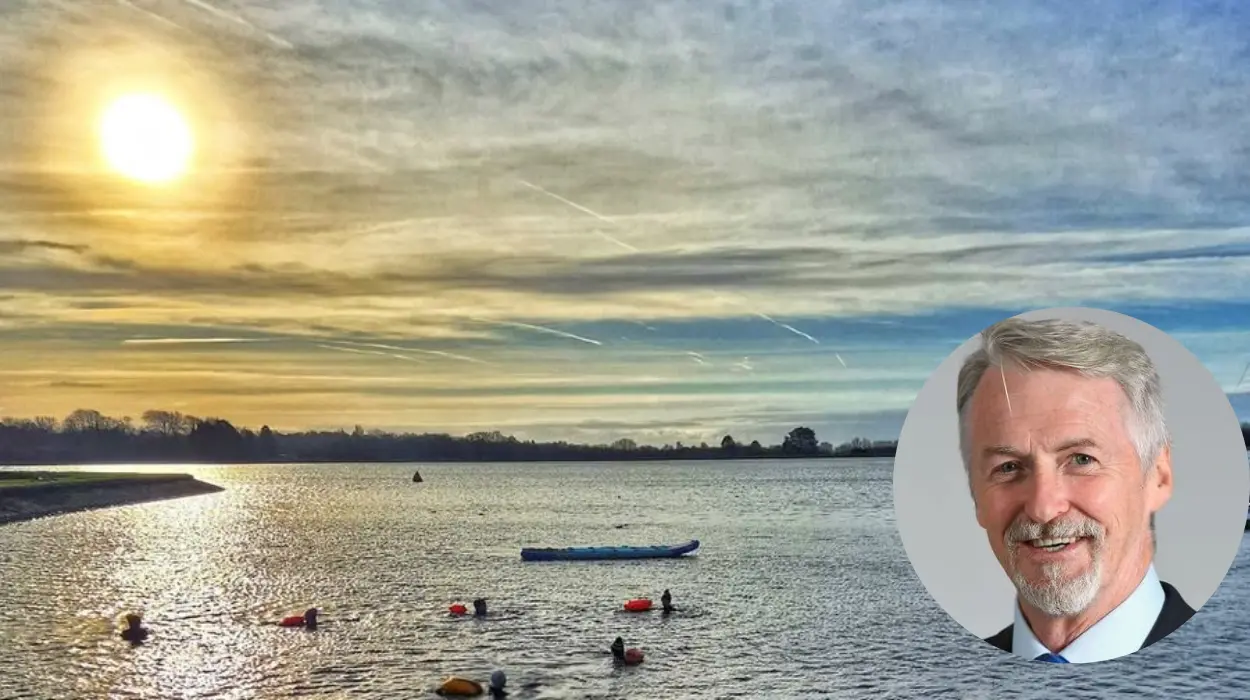
Llanishen Reservoirs (Cardiff Daily) February 03, 2026 – The Welsh government has unveiled ambitious proposals to overhaul the nation’s water system in response to the blight of sewage pollution, including a standalone regulator to replace Ofwat and national upgrades to pipes and sewers. These “once-in-a-generation” reforms aim to deliver cleaner rivers amid public outrage over water quality. Deputy First Minister Huw Irranca-Davies announced the plans at a press conference here, emphasising decisive action on climate emergencies and ageing infrastructure.
What Reforms Does the Welsh Government Propose?
The proposals stem from a major review commissioned after mounting public anger over water companies’ poor performance. As reported by Steffan Messenger, Wales environment correspondent of BBC News, ministers outlined a new standalone body to serve as the “economic regulator and system planner” for Welsh water, replacing Ofwat’s role. This body would drive long-term investment in infrastructure, adopting a national planning role for upgrading the country’s ageing pipes and sewers to foster “a more integrated and responsive approach to managing water”.
Environmental regulation and pollution oversight would stay with Natural Resources Wales (NRW), differing from England’s model of a unified watchdog, as noted in the UK government’s January response which pledged unannounced inspections and regular MOT-style infrastructure checks. Establishing the new organisation requires Wales to seek fresh powers from the UK government, followed by Senedd legislation; it is not anticipated before the early 2030s.
A new national water strategy for the next 25 years would supersede the 2015 version, while water companies’ self-monitoring and pollution reporting systems face review due to concerns over their robustness. Enhancements could involve greater automation and inspections to provide “greater assurance”.
How Will Sewage Sludge Spreading Be Controlled?
Tougher controls target the spreading of sewage and septic tank sludge on farmland as fertiliser, alongside limits on digestate from anaerobic digestion plants. As reported by Steffan Messenger of BBC News, these measures address “chief contributors to high nutrient levels in Welsh rivers” and “specific, catastrophic incidents”.
Afonydd Cymru was “particularly encouraged” by these steps. Chief executive Gail Davies-Walsh stated, as covered in BBC coverage, that the proposals offer “significant potential to effect positive change for rivers” but stressed, “It must be remembered that it is just a consultation at this stage and nothing yet is set in stone”. She highlighted the unresolved funding “thorny issue,” noting more money is needed than bills can raise.
What Reactions Have Stakeholders Given?
Afonydd Cymru described the overall package as “a beacon of hope” but pressed for swift implementation. Gail Davies-Walsh, in BBC reports, reiterated the urgency amid collapsing wildlife and polluted rivers becoming a “life or death issue”.
Wales’ Future Generations Commissioner Derek Walker deemed the announcement “a wake-up for the water industry.” He said, “Everything must be done to ensure the transition to a new body happens without delay to deliver long-term environmental recovery and affordability, alongside strengthened compliance and regulation”.
Ofwat’s interim CEO Chris Walters affirmed, “The organisation would support work to develop a new regulatory body and remain committed to the delivery of our core functions” in the interim.
Why Was This Announcement Timed Now?
The plans follow a comprehensive review calling for complete overhaul of water oversight in Wales and England. Public concerns over water quality, exacerbated by sewage discharges, prompted the Welsh government response, distinct from the devolved control in Cardiff Bay.
Deputy First Minister Huw Irranca-Davies declared at the Lisvane and Llanishen reservoirs press conference, “Climate and nature emergencies, ageing infrastructure and public concerns about water quality demand decisive action” – it was “time for a fundamental reset”. The site, recently designated a bathing water for 2025, underscores monitoring efforts.
When Will These Changes Take Effect?
Changes span years, with consultation open until early April. Transition involves UK government collaboration for stability, interim Ofwat arrangements, and Senedd powers for independent regulation and planning. The new regulator and upgrades target the early 2030s, balancing funding needs beyond bills.
How Does This Differ from English Plans?
Wales favours a standalone economic regulator separate from NRW for pollution duties, unlike England’s single big watchdog. The UK response in January focused on enforcement tools like surprise checks, while Wales emphasises devolved planning.
This shake-up addresses the sewage pollution crisis head-on, promising accountability if funded and legislated promptly. Stakeholders await consultation outcomes, hopeful for rivers’ revival.