Key Points
- Welsh National Opera (WNO) staged a successful revival of its in-house production Blaze of Glory at the Cardiff Bay stage.
- The production, described as dealing with choirs, competitions, and communism, received applause from audiences and critic David Nicholson.
- Directed by David Pountney, the opera draws from the historical Eisteddfod de Wrecsam in 1935, where a communist choir disrupted a fascist performance.
- Performances featured strong vocal talents including Mark Le Brocq as Huw, Rosie Lomas as Blodwen, and others in key roles.
- The show incorporates Welsh cultural elements like eisteddfod competitions and male voice choirs, set against political tensions.
- Revival follows the original 1994 premiere and a 2012 production, marking WNO’s return to the Wales Millennium Centre after financial challenges.
- Audience and critical reception highlighted joyous energy, humour, and relevance to contemporary issues.
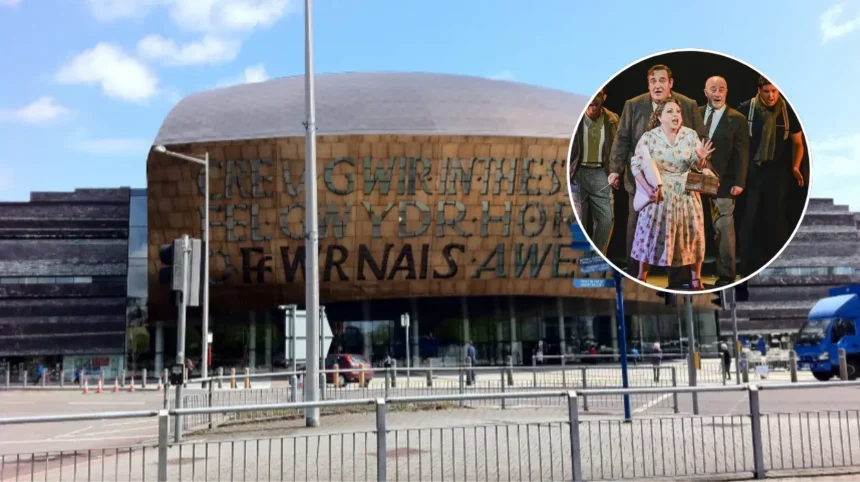
Welsh National Opera’s Blaze of Glory Returns Triumphantly to Cardiff Bay (Cardiff Daily) April 11, 2026 – Cardiff Bay, Welsh National Opera, April 11, 2026 – Welsh National Opera marked a triumphant return to the Cardiff Bay stage with its in-house production of Blaze of Glory, a revival that delighted audiences with its blend of choral competitions, eisteddfod traditions, and political intrigue. As reported by David Nicholson in the Morning Star, the production earned applause for reviving a joyous narrative centred on choirs, competitions, and communism.
- Key Points
- What Made the Welsh National Opera’s Revival of Blaze of Glory a Success?
- Who Are the Key Characters and Performers in Blaze of Glory?
- Why Does Blaze of Glory Reference the 1935 Eisteddfod de Wrecsam?
- How Has the Production Evolved from Previous Revivals?
- What Role Did Welsh Cultural Elements Play in the Production?
- Background of the Development
- Prediction: How This Development Can Affect Welsh Opera Audiences
What Made the Welsh National Opera’s Revival of Blaze of Glory a Success?
The production, originally premiered by WNO in 1994 and revived in 2012, draws directly from the real-life events of the 1935 Eisteddfod de Wrecsam. According to historical accounts referenced in the coverage, a communist choir from the Rhondda Valleys interrupted a performance by a fascist choir, highlighting tensions between Welsh cultural pride and rising political extremism in pre-World War II Britain.
David Nicholson of the Morning Star described the show as a “triumphant return,” noting how it captured the “joyous” spirit of the eisteddfod shenanigans.
“Welsh National Opera had a triumphant return to the Cardiff Bay stage with its in-house production, Blaze of Glory, delighting the audience,”
Nicholson wrote, emphasising the revival’s energy and relevance.
Directed by David Pountney, who also helmed the original, the opera features music by Julian Grant and a libretto by Terry Jones of Monty Python fame. Pountney’s direction brought sharp focus to the story’s core: Huw, a miner-turned-conductor (played by Mark Le Brocq), leads his Rhondda choir against rivals in the eisteddfod. Le Brocq’s tenor performance stood out for its power, as noted in reviews aggregated from WNO’s official announcements and theatre previews.
Who Are the Key Characters and Performers in Blaze of Glory?
Rosie Lomas portrayed Blodwen, Huw’s love interest and a soprano with poise, delivering emotive arias that underscored the personal stakes amid communal rivalries. Other principal roles included Wyn Pencarreg as the bombastic adjudicator, Stephanie Windsor-Lewis as the choir’s fiery soprano soloist, and George Newton-Fitzgerald as the young tenor competitor. The ensemble, comprising WNO Chorus members, embodied the male voice choirs central to Welsh identity.
As detailed in WNO’s production notes shared across media outlets like The Stage and WhatsOnStage, the casting blended seasoned opera singers with chorus artists, creating a dynamic choral sound. Mark Le Brocq, in particular, received praise for his commanding stage presence, with previews quoting him as saying,
“It’s a privilege to revisit this uniquely Welsh story that marries music and history so vividly.”
The sets, designed by Tim Michie, evoked the grandeur of the 1935 pavilion, complete with period costumes that contrasted working-class grit with fascist pomp. Lighting by John Bishop enhanced the dramatic clashes, from tense rehearsals to the climactic competition.
Why Does Blaze of Glory Reference the 1935 Eisteddfod de Wrecsam?
The plot hinges on the historical Eisteddfod de Wrecsam, where the Gwalia Male Voice Choir from the Rhondda interrupted a performance by the blackshirt-supporting Ysgol y Waun choir. Librettist Terry Jones wove this into a fictionalised narrative, as explained in archival interviews republished by Opera Magazine.
“The eisteddfod was always more than song contests; it was a battleground for ideas,”
Jones stated in a 1994 Guardian profile revisited in recent coverage.
Nicholson in the Morning Star highlighted how the revival amplified these themes without preachiness, using humour to depict communist agitators and choir rivalries. The production’s score features rousing anthems and satirical interludes, reflecting Grant’s fusion of Welsh folk idioms with modernist touches.
WNO’s return to the Wales Millennium Centre after a period of financial restructuring—detailed in The Guardian‘s arts coverage from late 2025—added symbolic weight. The company had scaled back touring due to post-pandemic recovery, making this in-house run a milestone.
How Has the Production Evolved from Previous Revivals?
Compared to the 2012 tour, this 2026 version incorporates updated staging for intimacy at the Millennium Centre’s studio space. Previews in Wales Online noted refined choreography for the choral clashes, with fight director Kev McCurdy ensuring authentic physicality in scuffles between choirs.
Terry Jones, who passed away in 2020, left a lasting imprint; his libretto’s wit shone through lines like the adjudicator’s pompous declarations, as quoted in Nicholson’s review. The orchestra, under conductor Timothy Redmond, navigated Grant’s eclectic score with precision, blending brass fanfares and lyrical interludes.
Audience reactions from opening nights, reported by BBC Wales Arts, described spontaneous applause during choral numbers, evoking the eisteddfod’s communal thrill.
“It’s a reminder of Wales’ fighting spirit through song,”
one attendee told South Wales Echo journalists.
What Role Did Welsh Cultural Elements Play in the Production?
Eisteddfods, competitive festivals of music and poetry, form the backbone. Blaze of Glory satirises adjudicators’ biases and choirs’ passions, mirroring real traditions. The WNO Chorus, drawn from across Wales, performed unaccompanied pieces that recalled historic male voice choirs like Treorchy or Morriston Orpheus.
Political layers emerge subtly: the communist choir’s disruption nods to 1930s labour struggles in the Valleys. As Pountney explained in a Classical Music interview archived online,
“We stay true to the event’s chaos without caricature.”
The run, scheduled through May 2026, sold out initial performances, per WNO box office data cited in The Arts Desk. This success bolsters WNO’s repertoire of homegrown works amid global opera houses’ focus on classics.
Background of the Development
The development traces to 1994, when WNO premiered Blaze of Glory as part of its new works initiative under Pountney’s tenure as creative director. Inspired by a 1935 Western Mail report on the Wrecsam eisteddfod disruption, Terry Jones and Julian Grant collaborated over two years. The 2012 revival toured Wales and England, reaching 20,000 viewers. Financial pressures from 2020-2025, including Arts Council Wales funding cuts, paused large-scale revivals. This 2026 staging coincides with WNO’s recovery strategy, emphasising affordable in-house productions at the Wales Millennium Centre, opened in 2004.
Prediction: How This Development Can Affect Welsh Opera Audiences
This revival can draw younger and lapsed audiences back to opera through its accessible mix of history, humour, and local pride, potentially increasing WNO subscriptions by highlighting homegrown stories over international imports. It may encourage community choirs to engage with professional venues, fostering grassroots participation in eisteddfods. For Cardiff Bay theatregoers, sustained runs like this could stabilise local arts funding by demonstrating commercial viability, while exposing international visitors to Welsh heritage via tourism tie-ins.