Key Points
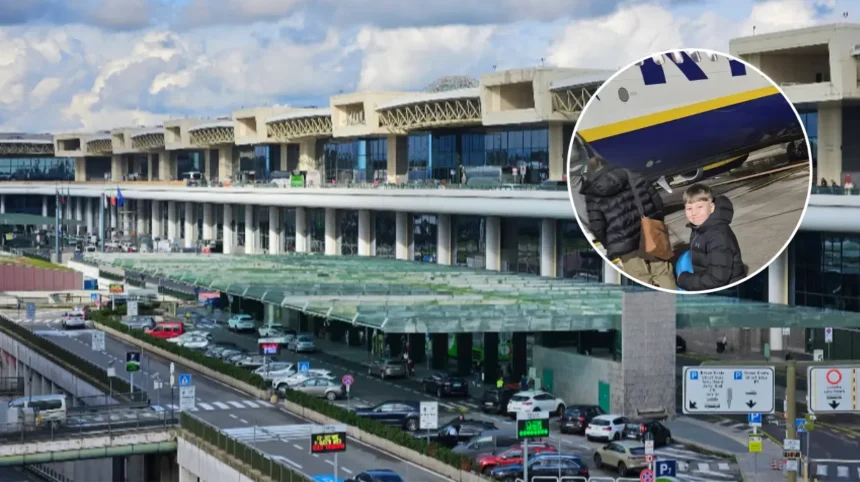
- A nine-year-old boy named David Toropu from Cardiff remains stranded in Romania with his mother Christina after UK border control at Milan airport refused him boarding on a flight to London Gatwick.
- The family had been on a rugby tour in Venice during the first week of Easter holidays, staying four nights before attempting to return on Thursday, April 2, 2026.
- David was born in Wales but holds Romanian citizenship through his father, leading to denial under new UK government rules on Entry Clearance for non-British citizens.
- UK border officials cited that David requires an Entry Clearance visa as a Romanian citizen, despite living in the UK his entire life.
- The family is now in Romania awaiting clarification on when David can return home.
- Christina Toropu described the situation as distressing, with the family separated from her husband and stepson who returned to the UK.
- The incident highlights challenges with post-Brexit border rules for children with dual nationality.
Cardiff, Wales (Cardiff Daily) April 9, 2026 – A nine-year-old boy from Cardiff finds himself stuck in Romania after UK border control officials at Milan airport denied him boarding on a return flight to London Gatwick, despite his birth in Wales and lifelong residency in the UK.
- Key Points
- Why Was the British-Born Boy from Cardiff Denied Entry Back to the UK at Milan Airport?
- What Happened During the Rugby Tour in Venice That Led to This Family Separation?
- How Do New UK Entry Clearance Rules Affect Children with Dual Nationality Like David Toropu?
- What Steps Has Christina Toropu Taken Since Being Stranded in Romania with Her Son?
- Which UK Border Control Procedures Were Followed at Milan Airport in This Case?
- Background on the Development
- Predictions on Impact for Families with Dual-Nationality Children in the UK
The family, including David Toropu, his mother Christina Toropu, her husband, and stepson, had travelled to Venice, Italy, for a rugby tour during the first week of the Easter holidays. After a four-night stay, they arrived at Milan airport on Thursday, April 2, 2026, to check in for their flight home.
Why Was the British-Born Boy from Cardiff Denied Entry Back to the UK at Milan Airport?
As reported by Ryan Fahey of The Mirror, UK border control personnel informed Christina that David, a Romanian citizen by descent through his father, required an Entry Clearance visa to enter the UK under recent government rule changes.
“They said he needs an Entry Clearance because he’s Romanian,”
Christina told The Mirror. The officials explained that post-Brexit regulations mandate such clearance for non-British citizens, even children born in the UK who have resided there permanently.
David was born in Wales and has lived in Cardiff his entire life, but his Romanian nationality, inherited from his father, triggered the refusal. The family did not anticipate this issue, as David had travelled freely within the EU and back to the UK previously without documentation beyond his passport.
Christina Toropu and David are now in Romania, where they travelled after the denial to stay with relatives while seeking resolution. Her husband and stepson boarded the flight and returned to the UK as planned, leaving Christina and David separated from the rest of the family.
What Happened During the Rugby Tour in Venice That Led to This Family Separation?
The trip began as a routine family outing tied to David’s interest in rugby. The tour took place in Venice, Italy, with the family departing the UK before Easter. They enjoyed four nights there before heading to Milan Malpensa Airport for the return.
At the check-in desk, airline staff initially processed the family without issue. However, upon reaching UK border control pre-boarding checks – a standard procedure for flights to the UK – officials scrutinised David’s Romanian passport. As detailed by Ryan Fahey in The Mirror, the border force agent stated:
“He’s Romanian, so he needs Entry Clearance to come back into the UK.”
Christina recounted the moment to The Mirror:
“We were all set to go home, and then this happened. David was crying; he just wanted to go back to school and his friends in Cardiff.”
The family had no prior warning of the requirement, as David’s previous travels aligned with pre-rule change norms.
How Do New UK Entry Clearance Rules Affect Children with Dual Nationality Like David Toropu?
Post-Brexit, the UK operates outside the EU’s freedom of movement, requiring Romanian nationals – even children – to obtain Entry Clearance for stays beyond visitor exemptions. The Home Office website specifies that minors with non-British citizenship must apply for visas if they lack settled status or other leave to enter.
As covered by The Mirror, this rule change, implemented to tighten immigration controls, applies regardless of birthplace or residency history. David’s case underscores gaps for families unaware of dual citizenship implications. The Home Office has not commented specifically on this incident but directs queries to its general guidance on child visas.
Christina has contacted UK authorities and Romanian relatives for support. The family awaits a decision on David’s eligibility, potentially requiring a formal visa application process that could take weeks.
What Steps Has Christina Toropu Taken Since Being Stranded in Romania with Her Son?
From Romania, Christina has reached out to her local MP in Cardiff and the UK embassy in Bucharest. She shared with The Mirror that they are staying with family but face uncertainty over school resumption for David, who attends a Cardiff primary school.
“We can’t just stay here forever,”
Christina stated.
“He’s a British boy in every way except on paper. This feels wrong.”
The separation from her husband adds emotional strain, as he manages work and the stepson back in Wales.
Reports from Wales Online, building on The Mirror‘s coverage, note similar anxieties among dual-nationality families in Cardiff, a city with growing Eastern European communities.
Which UK Border Control Procedures Were Followed at Milan Airport in This Case?
Pre-boarding checks by UK Border Force at EU airports for UK-bound flights verify documentation in advance. In David’s case, his Romanian passport lacked the required Entry Clearance stamp or electronic authorisation.
According to Home Office protocols cited in The Mirror, refusal to board prevents inadmissible arrivals at UK ports. Airline staff enforce this to avoid fines, leaving the family no recourse at the gate.
David and Christina took a flight to Romania post-denial, as Venice options were limited. They now monitor visa application portals for updates.
The incident has drawn local attention in Cardiff, where rugby community ties amplify the story. Neighbours and school friends have rallied support via social media.
Background on the Development
This situation stems from the UK’s exit from the European Union in 2020, which ended freedom of movement for EU and EEA nationals, including Romanians. Children born in the UK to non-British parents often hold dual citizenship, but post-Brexit, they require visas or electronic travel authorisations for entry if not holding British passports.
The Entry Clearance requirement for Romanian citizens was clarified in Home Office updates in 2025, mandating applications for family visits or residency. Cardiff, with its diverse population including Romanian heritage families, sees such cases emerge periodically. David’s rugby tour reflects common family travel patterns disrupted by these rules. Prior to Brexit, his passport sufficed for re-entry.
Predictions on Impact for Families with Dual-Nationality Children in the UK
This development can affect families with dual-nationality children, particularly in areas like Cardiff with Eastern European communities, by increasing travel planning complexities. Parents may need to secure Entry Clearance visas in advance for children, adding time and costs to trips. Schools and rugby clubs could face absences if returns delay. Affected audiences, including working parents separated from children, might experience prolonged family splits, prompting more visa applications and Home Office backlogs. Communities may push for case-by-case exemptions, influencing local MPs to advocate for clearer guidance on child residency proofs.