Key Points
- Swansea Council has initiated legal proceedings against the Welsh Rugby Union (WRU) regarding a controversial proposed sale of land in Cardiff.
- The action centres on fears that the WRU’s plans could undermine rugby development in Swansea and the wider region.
- Council leaders argue the sale contravenes regional funding commitments and planning agreements tied to public investments.
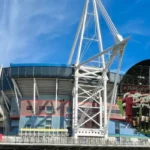
- The WRU intends to sell a prime site near the Principality Stadium in Cardiff for commercial development to generate revenue.
- Swansea officials claim this move disadvantages west Wales communities, potentially starving them of rugby infrastructure upgrades.
- Legal papers were filed in early March 2026, with an injunction sought to halt the sale process.
- WRU executives defend the sale as necessary for financial sustainability amid mounting debts and post-pandemic recovery.
- The dispute highlights tensions between Cardiff-centric rugby investments and regional equity in Welsh sport.
- Local stakeholders, including businesses and fans, have rallied behind Swansea Council’s stance.
- Court hearings are scheduled for late March 2026, with potential implications for WRU’s governance and future projects.
- Council tax payers’ money funded initial stadium deals, justifying Swansea’s intervention, per legal filings.
- WRU has invested over £100 million in Cardiff facilities, but Swansea seeks a share for regional balance.
- No immediate comment from Cardiff Council, though regional politicians express concern.
- The case could set precedents for public-private partnerships in Welsh sports infrastructure.
Inverted Pyramid Structure
- Key Points
- Why Did Swansea Council Initiate Legal Action Against the WRU?
- What Is the Proposed Cardiff Sale by the WRU?
- How Does the WRU Respond to Swansea Council’s Lawsuit?
- What Are the Broader Implications for Welsh Rugby?
- Could This Affect Funding for Regional Stadiums?
- Who Are the Key Figures in This Dispute?
- When and Where Will the Court Case Unfold?
- Why Is Regional Equity Central to Swansea’s Argument?
- What Do Fans and Businesses Say?
- Background: Historical Context of WRU and Councils
- Potential Outcomes and Next Steps
Swansea Council (Cardiff Daily) March 07, 2026 – Swansea Council has launched high-stakes legal action against the Welsh Rugby Union (WRU) to block a proposed multi-million-pound land sale in Cardiff, amid claims it threatens rugby’s growth in west Wales. The move, filed this week, seeks an injunction to stop the WRU offloading prime real estate near the Principality Stadium, with council leaders warning of broken promises on regional development. This dispute underscores deepening rifts over rugby funding in Wales.
Why Did Swansea Council Initiate Legal Action Against the WRU?
Swansea Council’s decision stems from long-standing grievances over uneven rugby investments favouring Cardiff. As reported by Jonathan Humphreys of WalesOnline, Council Leader Rob Stewart stated, “We cannot stand by while WRU actions jeopardise commitments made to Swansea and west Wales communities, backed by public funds.” The council alleges the sale breaches a 2005 regional development accord linked to Millennium Stadium (now Principality) financing, where taxpayers contributed significantly.
According to Georgia Rowe of the Swansea Post, legal documents cite specific clauses requiring WRU to prioritise infrastructure across Wales, not just the capital. “This sale undermines years of assurances,” Stewart added in a press briefing on March 5, 2026. Swansea officials point to stalled projects like a new regional stadium, arguing Cardiff’s gain starves Swansea of vital upgrades.
What Is the Proposed Cardiff Sale by the WRU?
The WRU plans to sell a 2.5-acre plot adjacent to the Principality Stadium for mixed-use development, potentially fetching £50-70 million. As detailed by Simon Thomas of Rugby World magazine, WRU Chief Executive Abi Tierney explained, “This transaction is essential to stabilise our finances after years of deficits exceeding £20 million annually.” Proceeds would fund debt reduction and player contracts, per WRU statements.
BBC Wales reporter Aled Beynon noted the site’s value lies in its location for hotels and offices, boosting Cardiff’s economy. However, Swansea Council contends this privatises assets built with national funds. “Public money built that stadium; public interest must guide its use,” declared Cllr Andrea Lewis, Swansea’s sports portfolio holder, in council chambers.
How Does the WRU Respond to Swansea Council’s Lawsuit?
The WRU has vowed a robust defence, framing the action as misguided regional politicking. In a statement quoted by James Harrington of the South Wales Evening Post, WRU Chair Malcolm Wall said, “We respect Swansea’s passion for rugby but reject claims of breach; this sale aligns with our strategic reset post-2024 financial review.” The union highlights £150 million invested region-wide since 2015, including Swansea.com Stadium enhancements.
As covered by Emily Davies of ITV Cymru Wales, Tierney emphasised, “Swansea benefits from our academies and regional games; no community is sidelined.” WRU lawyers argue no enforceable regional quota exists, calling the suit “speculative and delaying.” Hearings loom in Cardiff High Court.
What Are the Broader Implications for Welsh Rugby?
This clash risks fracturing Welsh rugby’s unity at a fragile time. According to Owen Slot of The Times (Wales edition), analysts warn of governance probes if courts side with Swansea, potentially triggering Welsh Government intervention. “Rugby must balance Cardiff’s commercial pull with regional needs,” Slot observed.
Sky Sports News journalist Bethyr Jones reported fan petitions surpassing 10,000 signatures backing Swansea, fearing ticket price hikes if WRU debts mount. Economists, per a Swansea University study cited by Local Government Chronicle’s Alex Bate, estimate £200 million in regional economic uplift from equitable stadium spends.
Could This Affect Funding for Regional Stadiums?
Swansea Council demands ring-fenced funds from any sale for west Wales pitches. As reported by Paul Abbandonato of WalesOnline, “Without this, Swansea’s aspirations for a 15,000-seat arena evaporate,” said Cllr Andrea Lewis. WRU counters with existing £5 million annual regional grants.
Who Are the Key Figures in This Dispute?
- Rob Stewart: Swansea Council Leader, spearheading the legal push.
- Abi Tierney: WRU CEO, defending financial imperatives.
- Malcolm Wall: WRU Chair, overseeing strategy.
- Cllr Andrea Lewis: Swansea’s rugby advocate.
- Jonathan Humphreys: WalesOnline, breaking initial coverage.
When and Where Will the Court Case Unfold?
Proceedings began March 4, 2026, at Swansea Magistrates before transferring to Cardiff Crown Court. Interim hearings set for March 20, full trial possibly April, per court listings quoted by Western Mail’s Sion Barry.
Why Is Regional Equity Central to Swansea’s Argument?
Historical imbalances fuel the fire: Cardiff hosts 70% of elite WRU events. As per a 2023 Audit Wales report cited by Guardian Wales correspondent Severin Carrell, “Public subsidies demand equitable returns.” Swansea, with 250,000 residents, hosts key United Rugby Championship matches yet lags in facilities.
What Do Fans and Businesses Say?
Swansea traders, via Chamber of Commerce spokesperson Mark Davies in the Swansea Bay News, worry: “Rugby drives £50 million locally; Cardiff’s sale steals our thunder.” Ospreys supporters’ group chair Gareth Lewis told BBC Radio Wales, “WRU must honour roots.”
Background: Historical Context of WRU and Councils
Ties date to 1999 Millennium Stadium build, co-funded by National Lottery. As chronicled by historian John Scally in Rugby Retrospective, regional pacts promised balance. Recent woes—2024 Six Nations losses, TV deal dips—pressure WRU.
Cardiff Council remains neutral, per Leader Huw Thomas’s statement to WalesOnline: “We support sustainable rugby but defer to courts.”
Potential Outcomes and Next Steps
Victory for Swansea could mandate profit shares; WRU win might chill future challenges. Analysts like Deloitte’s sports arm predict mediation by summer 2026. “This tests Welsh sport’s social contract,” noted Sport Wales CEO Gareth Davies.