Key Points
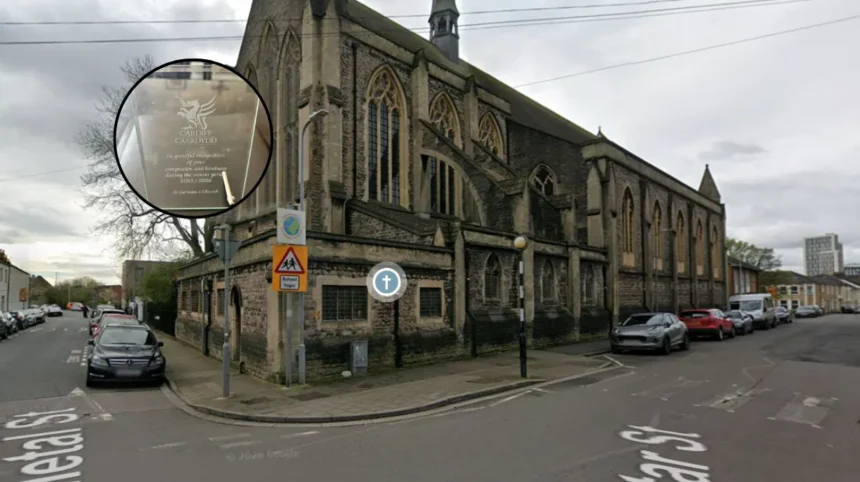
- Official Recognition: St German’s Church in Cardiff has received an award from Cardiff Council acknowledging its compassionate service to vulnerable residents.
- Winter Initiative: The accolade recognises the church’s weekly Winter Night Shelter, which operated every Saturday night from November to March.
- Essential Provisions: Volunteers provided a warm welcome, hot dinners, safe beds, and breakfast to those experiencing homelessness during the coldest months.
- Community-Driven Support: The initiative relied entirely on a network of local volunteers and donors who contributed food, clothing, funds, and hours of service.
- Diocesan Celebration: The Diocese praised the congregation and supporters, citing the project as a powerful reminder of community solidarity and Christian service.
Cardiff (Cardiff Daily) June 23, 2026 – St German’s Church, located in the Adamsdown area of Cardiff, has been officially recognised by Cardiff Council for its dedicated service to the city’s most vulnerable residents through its weekly Winter Night Shelter initiative. The civic award acknowledges the profound impact of the project, which provided emergency accommodation, hot food, and safety during the harshest months of the year. Operating every Saturday night from November through to March, the shelter served as a critical safety net for individuals experiencing homelessness during the winter season.
According to official communications released by church representatives, the accolade highlights not merely the logistically demanding practical support offered by the parish, but also the broader spirit of solidarity and compassion that came to define the initiative. The project was sustained through a collaborative network of local citizens, donors, and community groups who pooled resources to ensure the city’s rough sleepers had access to a secure environment when temperatures dropped to dangerous levels.
How did the community mobilise to support the shelter?
The operational framework of the Winter Night Shelter at St German’s depended heavily upon widespread grassroots mobilisation across Cardiff. Each weekend, a rotating roster of volunteers transformed the church interior into a functioning shelter, managing tasks ranging from facilities setup and meal preparation to overnight hosting and breakfast service.
As detailed in statements from the Diocese, the ministry was made possible by what organisers described as the extraordinary generosity of both individual and corporate donors. Contributions arrived in various forms, including direct financial funding, substantial donations of warm clothing, and the provision of fresh food ingredients. This collective effort drew in people from various walks of life across the wider community, transcending standard parish boundaries to form a unified response to urban poverty.
Why is the award significant to the Diocese and local volunteers?
The award from Cardiff Council serves as an official testament to the measurable outcomes achieved when local communities unite around a shared humanitarian purpose. Representatives from the Diocese have celebrated the recognition, framing the work of St German’s Church as a leading example of active faith and civic responsibility.
In marking the announcement, church organizers highlighted the theological foundation guiding their efforts, referencing the biblical passage from Matthew 25:40: “Truly I tell you, whatever you did for one of the least of these brothers and sisters of mine, you did for me.” Diocesan leadership stated that the commitment of everyone involved shines as a powerful reminder of the tangible difference that can be made when people come together in direct service to others, elevating the project from a temporary shelter to a life-changing community ministry.
Background of the Winter Night Shelter Development
The issue of winter homelessness in urban centres across Wales has historically demanded close cooperation between local government authorities, voluntary sectors, and faith-based organisations. Winter night shelters in Cardiff have traditionally operated as a collaborative network involving multiple churches and charities, designed to supplement statutory temporary accommodation provided by the local authority during periods of severe weather.
Historically, Cardiff Council relies on the Severe Weather Emergency Protocol (SWEP) to trigger additional emergency bed spaces when temperatures fall below freezing. However, grassroots initiatives like the one at St German’s Church provide predictable, scheduled relief throughout the winter season regardless of whether absolute SWEP thresholds are met. This specific project ran continuously from November to March, a period identified by housing advocates as the most hazardous for rough sleepers due to prolonged exposure to damp and cold conditions. The recognition of St German’s reflects a formal acknowledgment by municipal leaders of the critical role that faith communities play in filling gaps within urban social care infrastructures.
Explore More Cardiff Council News
Cardiff Council Refuses Merthyr Road Housing Project, Tongwynlais 2026
Cardiff to Newport Sustainable Transport Scheme Moves Forward: Cardiff 2026
Prediction: How This Development Can Affect Vulnerable Residents and Faith-Based Sectors
Impact on Vulnerable Residents and Rough Sleepers
The formal recognition of St German’s Church by Cardiff Council is highly likely to secure the future viability of the Winter Night Shelter, directly benefiting Cardiff’s vulnerable housing-insecure population. Civic awards of this nature typically elevate the profile of grassroots projects, which can lead to increased financial donations, more robust volunteer recruitment, and steadier supply chains for food and clothing in subsequent years. For the users of the shelter, this translates to a more reliable and well-resourced safety net during the winter of 2026 and beyond. Furthermore, the public validation of the church’s methods—which emphasize dignity, solidarity, and a “warm welcome”—may encourage local authorities to integrate these trauma-informed, community-led approaches into broader, year-round municipal homelessness strategies.
Impact on the Faith-Based Sector and Community Volunteering
For the wider faith-based sector and voluntary organisations across Wales, this development serves as a powerful precedent that validates the efficacy of religious charity in modern civic frameworks. The award is anticipated to boost morale among existing volunteer networks and could inspire neighbouring parishes or secular community groups to replicate the weekly shelter model. By demonstrating that a single church can successfully manage a high-stakes emergency shelter safely and effectively, this honour may encourage closer strategic partnerships between Cardiff Council and religious groups, leading to a more coordinated, decentralised approach to tackling urban poverty and social exclusion across the region.