Key Points
- A Cardiff rugby club, Clwb Rygbi Cymry Caerdydd (CRCC), has highlighted dog fouling on its playing fields as a “huge problem” causing community tension.
- Eurof James from CRCC stated that coaches and parents must clear pitches before every game, with children as young as eight or nine getting dog poo on them.
- The club shared a video from last year showing a dog defecating on the pitch during a second team’s home game, forcing a player to clear the mess before play resumed.
- Cardiff Council noted that park rangers collaborate with the waste enforcement team to tackle dog fouling, including educating dog walkers.
- James reported over 15 sports pitches in Llandaff, Cardiff, used weekly by hundreds of children, posing medical risks like infections from cuts or injuries.
- He described shouting at negligent owners who deny responsibility, leading to parental complaints about insufficient action.
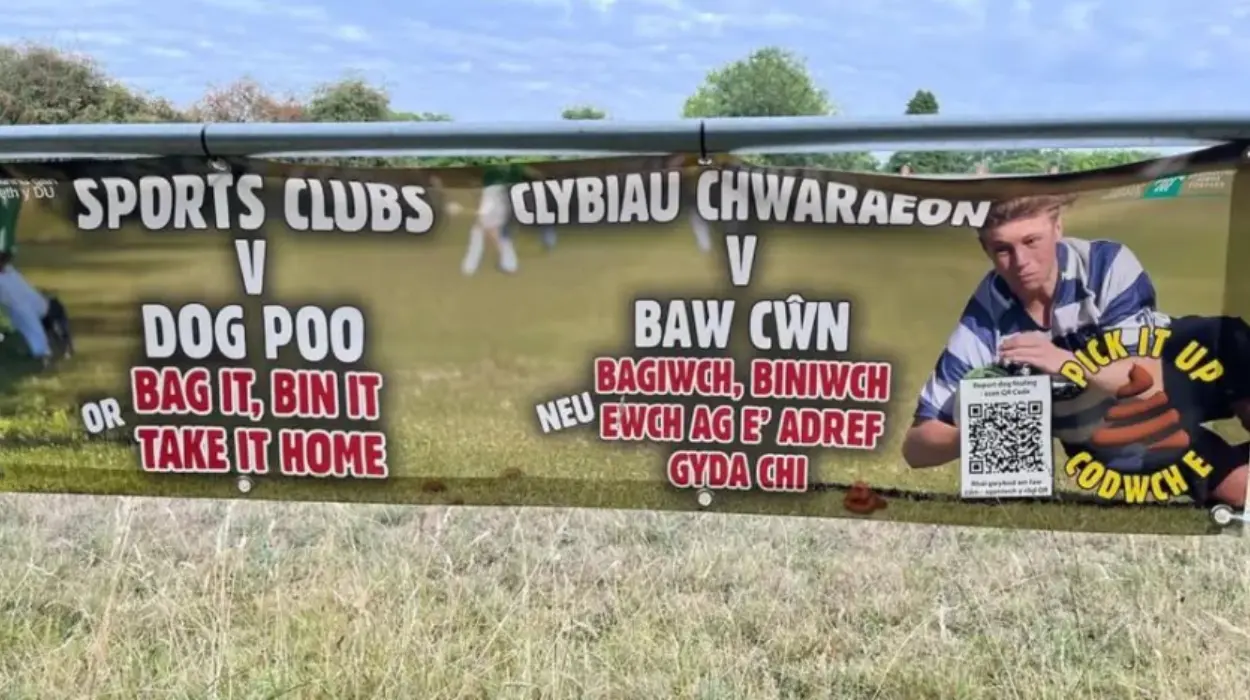
- The council has installed signs on its owned pitches and issues fixed penalty notices up to £100 for witnessed fouling or failure to carry cleanup means.
- NHS warns of toxocariasis from dog poo contact, potentially causing sight loss or breathing issues via worm eggs entering the mouth.
- Hay St Mary’s football club in Powys installed CCTV to combat similar fouling, vowing action against offenders.
- Gareth Ratcliffe, Hay-on-Wye community councillor and referee, called it a widespread issue affecting children with disease risks, noting ample bins in Y Gelli Gandryll.
- Actor and former CRCC chairman Rhys ap William blamed lazy owners, worse in winter due to wet weather and early nights, urging awareness near marked fields.
Cardiff (Cardiff Daily) January 31, 2026 – Clwb Rygbi Cymry Caerdydd (CRCC) has declared dog fouling on its pitches a “huge problem” after a match was halted last year when a dog defecated on the field, forcing play to stop for cleanup. Eurof James from CRCC revealed coaches and parents routinely clear messes before games, with young players as young as eight or nine often leaving soiled. The incident underscores growing community tensions over irresponsible dog ownership on sports grounds used by hundreds of children weekly.
What Caused the Match Stoppage?
The disruption occurred during one of CRCC’s second team’s home games last year, as captured in a video shared by the club. A dog defecated directly on the rugby pitch, compelling a player to halt proceedings and remove the waste before play could resume. Eurof James from Clwb Rygbi Cymry Caerdydd explained that such interruptions are routine, stating, “coaches and parents had to clear the pitches before every game.”
James highlighted the human cost, noting children as young as eight or nine have left matches with dog poo on their kit. He emphasised the scale, with more than 15 sports pitches in Llandaff, Cardiff, hosting hundreds of young players each week. “It can be a medical problem, if there is someone who has a cut or who is injured – it can be a serious problem,” James said.
How Serious Are the Health Risks?
Dog fouling poses genuine health hazards, particularly to children on sports fields. According to the NHS, contact with infected dog poo can lead to toxocariasis, an infection from worm eggs in faeces of dogs, cats, or foxes. Symptoms may include loss of sight and breathing difficulties if eggs enter the mouth via contaminated soil or sand.
Eurof James of CRCC warned of these dangers, linking them to injuries common in rugby. “It can be a medical problem,” he reiterated, stressing the risks amid frequent play on fouled pitches. Cardiff Council’s response acknowledges the issue but focuses on enforcement rather than prevention alone.
What Is Cardiff Council Doing About It?
Cardiff Council owns the affected pitches and has implemented measures to curb dog fouling. Park rangers work closely with the waste enforcement team, educating dog walkers where necessary. The authority stated: “If a dog fouling incident is witnessed, or a dog owner fails to carry appropriate means to pick up dog faeces, it can result in a fixed penalty notice of up to £100 being issued.”
Signs have been erected across the Llandaff fields to remind owners of responsibilities. Despite these efforts, Eurof James noted ongoing challenges, with coaches and parents still patrolling pitches pre-game. He described confronting owners who “walk in front of the dog and don’t keep an eye on it and then deny that it’s their dogs,” fuelling community friction.
Why Does This Create Community Tension?
The persistent fouling has strained relations at CRCC, with parents questioning if enough is being done. Eurof James admitted it “creates tension,” as adults shout after negligent owners and inspect fields meticulously. “I’ve found myself having to shout after the owner… It creates problems and some parents say are we not doing enough,” he said.
James portrayed it as a “big challenge” exacerbated by denial from some walkers. The club’s reliance on council pitches amplifies frustration, despite signage. This local discord mirrors wider irresponsibility, as actor and former CRCC chairman Rhys ap William observed: “It’s up to the owners… I just think some are lazy.”
Is Dog Fouling Unique to Cardiff?
No, the issue plagues sports clubs nationwide. In Powys, Hay St Mary’s football club in Hay-on-Wye installed CCTV after deeming fouling “an ongoing problem.” A social media post declared: “anyone who lets a dog foul on the fields without being cleared will be identified and there will be further action.”
Gareth Ratcliffe, a Hay-on-Wye community councillor and referee, affirmed its broad impact: “it is a problem that affects everyone within the club.” He highlighted child safety, saying, “this land is used by children, and it is a danger in terms of diseases.” Ratcliffe noted ample facilities, questioning excuses: “In Y Gelli Gandryll every bin can take dog poo, so what reason is there not to get rid of it?” He hoped cameras would deter, lamenting, “It’s sad that we have reached this point.”
Rhys ap William, known for Mr Burton, linked severity to seasons: “the issue was at its worst during the winter, when wet weather and early nights meant fewer owners are likely to pick up dog poo.” He urged vigilance: “be more aware of where you are while in the park – if you see a white line or posts, you’re on playing fields.”
What Broader Solutions Are Proposed?
Stakeholders call for heightened awareness over punishment alone. Rhys ap William advocated: “It’s all down to raising awareness of what dog fouling can do to harm a person – and to make sure that owners do the right thing.” Gareth Ratcliffe echoed community sentiment post-online post: “When this was posted online, so many people from different places were talking about how much of a problem it is.”
Cardiff Council’s fines and education persist, but clubs like CRCC and Hay St Mary’s push surveillance. Eurof James seeks collective responsibility to protect youth sports. These voices converge on accountability, from bins to behaviour, to reclaim pitches for safe play.