Key Points
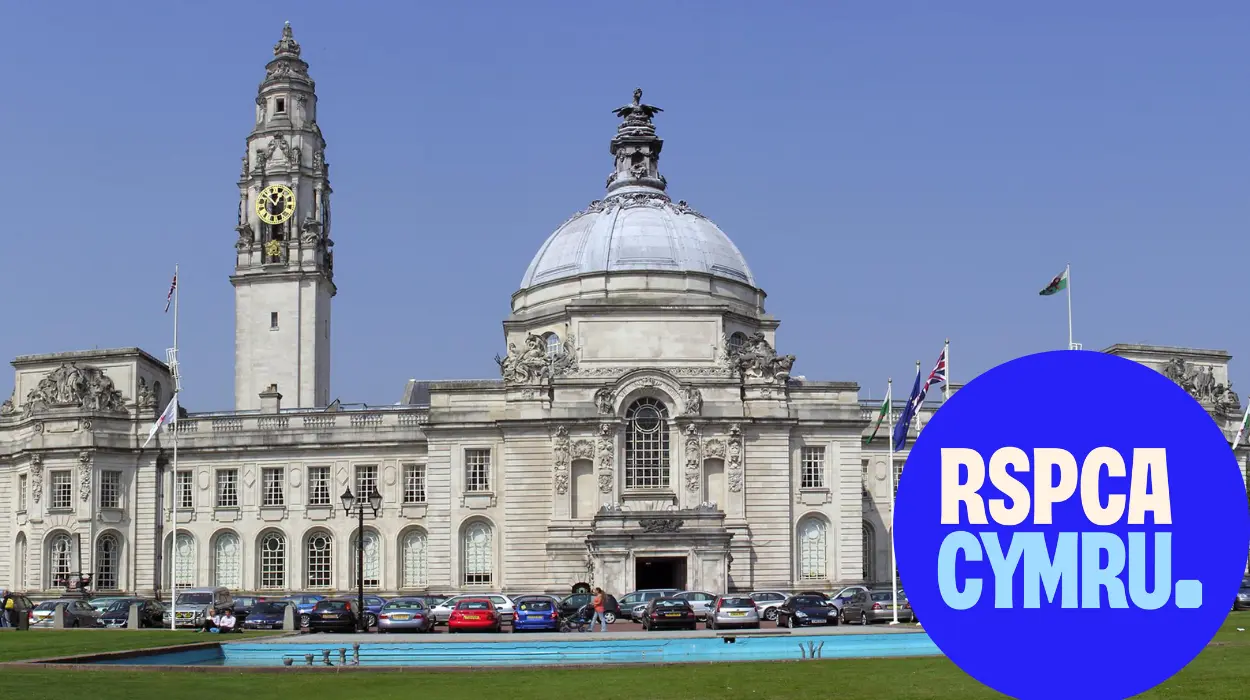
- Senedd, Tŷ Hywel, and the Wales Millennium Centre have all been successfully linked to Cardiff Council’s low carbon underground heat network.
- This important extension means that no longer will these three well-known Welsh icons depend on their conventional gas-heating systems.
- The sustainable project uses excess energy to greatly reduce the region’s carbon footprint, while protecting the local infrastructures from changes in the international energy market.
- The project as a whole is a fundamental part of the decarbonization plan.
Cardiff (Cardiff Daily) October 29, 2026 – Cardiff’s pioneering underground heat network has achieved a major milestone by expanding its reach to several of the capital’s most iconic architectural and cultural landmarks. As part of a sweeping regional decarbonisation drive, major public buildings in Cardiff Bay are transitioning away from conventional fossil-fuel heating systems toward an innovative, low-carbon subterranean energy infrastructure.
How has Cardiff’s underground heat network expanded to iconic Welsh landmarks?
As reported by Rhys Gregory of Wales 247, the Senedd, Tŷ Hywel, and the Wales Millennium Centre have now been officially connected to Cardiff Council’s low-carbon heat network. This vital infrastructural integration completely removes the necessity for these three high-profile buildings to utilize traditional gas boilers for their environmental climate control.
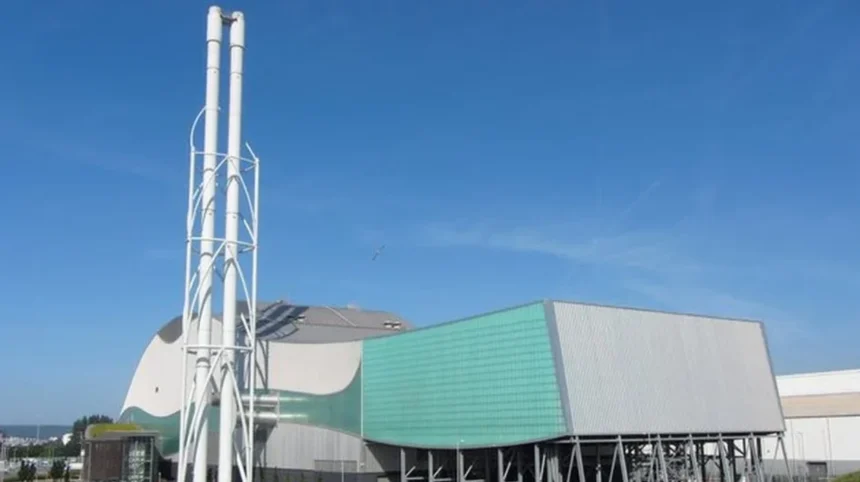
By tapping into localized waste heat and sustainable energy streams routed through the city’s extensive network of underground pipes, the scheme ensures that critical public governance and cultural centers operate with a drastically reduced carbon footprint. As detailed by project stakeholders, the network is engineered to capture surplus energy—such as heat generated from Viridor’s Trident Park Energy Recovery Facility—and channel it directly where it is needed most across the Welsh capital.
What are the environmental and economic goals of the Cardiff heat network?
The ongoing rollout of the Cardiff heat network aligns closely with overarching local authority objectives and Welsh Government ambitions to achieve comprehensive public sector decarbonisation. Heating remains one of the hardest sectors to decarbonize within modern urban planning, making localized district heating networks an essential tool for long-term climate resilience.
As highlighted in wider regional updates covered by media outlets tracking the scheme, initiatives of this scale are designed to protect civic infrastructure from the financial volatility and unpredictability inherent in global energy markets. By localizing energy production and utilizing secondary heat sources that would otherwise go to waste, Cardiff continues to cement its reputation as a leading low-carbon city in the United Kingdom. Furthermore, the system’s flexible architecture is inherently “heat source neutral,” leaving open the possibility of integrating alternative green technologies—such as deep geothermal energy or localized groundwater thermal extraction—as the network scales in future decades.
Explore more Cardiff Council News
Cardiff Council Urges Families to Claim £200 School Support in Cardiff 2026
Cardiff Castle Green Illumination Mocked Online 2026
Background of the Particular Development
The expansion of the Cardiff heat network represents the culmination of years of strategic planning, public investment, and engineering execution aimed at modernising the city’s energy grid. Conceived to tackle the challenging task of urban heat decarbonisation, the project received early momentum through collaborative funding agreements, including zero-interest loans and grants from the Welsh Government and national heat network funding schemes. Over successive phases, construction crews laid extensive underground pipe networks across Cardiff Bay and surrounding districts, linking energy recovery facilities directly to municipal and commercial anchor customers. Winning national recognition, such as the ‘Scheme of the Year’ accolade, the project has progressively evolved from a blueprint into a functional, award-winning reality that anchors Wales’ broader commitment to sustainable public infrastructure.
How This Development Affects the Local Community and Public Sector
The successful integration of landmark structures like the Senedd and the Wales Millennium Centre into the network will yield immediate, measurable drops in municipal carbon output while serving as a blueprint for commercial property developers across South Wales. For the local community and public sector workers, this transition guarantees greater long-term energy price stability, insulating public services from sudden spikes in fossil fuel costs and redirecting taxpayer funds away from utility overheads. As the network continues to scale and invite additional residential and commercial connections, residents can expect improved local air quality, a smaller urban carbon footprint, and a resilient, future-proofed local economy driven by sustainable green engineering.