Key Points
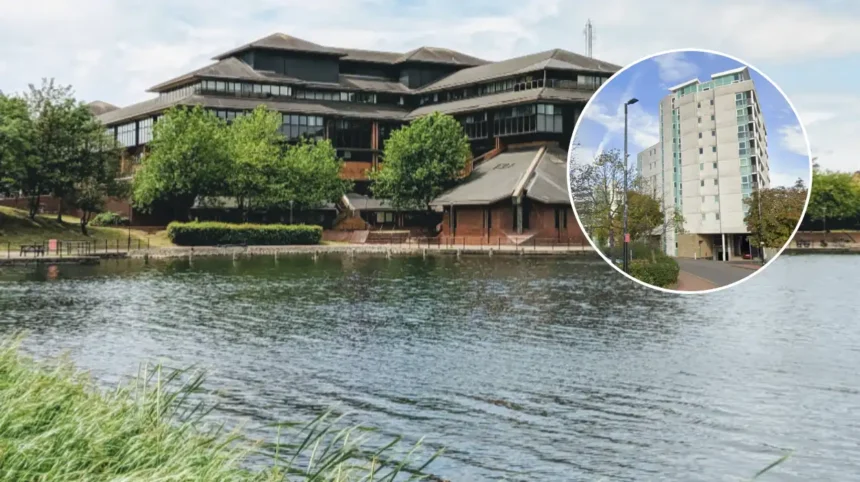
- Major works approved for remediation and replacement of external cladding at Ocean Reach, an 11-floor residential tower block in Cardiff Bay with 49 apartments and penthouses.
- A comprehensive review of the existing façade, including a Fire Risk Appraisal of External Walls (FRAEW) report, identified “several deficiencies” in the overall structure.
- Cardiff Council has sanctioned the project to address these structural issues, ensuring all new materials meet or exceed fire performance criteria while matching the building’s original aesthetic.
- Ocean Reach forms part of the revitalised docklands area south of Cardiff city centre, highlighting ongoing concerns over high-rise safety in the region.
- The officer’s report stresses that the replacement strategy preserves architectural integrity and colour scheme.
- This development follows broader cladding remediation efforts in Cardiff, including council-led schemes for other high-rises like Nelson House and Loudoun House in Butetown, amid post-Grenfell fire safety drives.
- Similar issues plague nearby buildings, such as Celestia, where Redrow has committed to repairs starting February 2025, potentially lasting up to three years due to fire barriers, cladding, and insulation defects.
- Residents across Cardiff Bay towers report stress, financial burdens, and delays in remediation, with developers like Taylor Wimpey funding some works after 2019 discoveries of defective cladding.
Cardiff Bay (Cardiff Daily) March 27, 2026 – Cardiff Council has approved major remediation works at the upscale Ocean Reach tower block after a report uncovered several deficiencies in its overall structure. The 11-floor residential building, home to 49 apartments and luxury penthouses, will undergo comprehensive replacement of its external cladding following a detailed façade review and Fire Risk Appraisal of External Walls (FRAEW). This move addresses critical safety concerns in the heart of Cardiff’s revitalised waterfront.
- Key Points
- What Are the Structural Deficiencies at Ocean Reach?
- Why Was Cardiff Council Approval Necessary?
- How Does Ocean Reach Fit into Cardiff Bay’s Cladding Crisis?
- What Safety Measures Will the Remediation Include?
- Who Is Affected and What Challenges Do Residents Face?
- When Will Works Begin and How Long Might They Take?
- What Broader Lessons Emerge from Cardiff’s High-Rise Remediations?
What Are the Structural Deficiencies at Ocean Reach?
As reported by WalesOnline journalists, a comprehensive evaluation of Ocean Reach’s façade revealed “several deficiencies” in the building’s overall structure. The assessment incorporated findings from a FRAEW report, which is standard for evaluating fire risks posed by external walls in high-rises. According to the planning application officer’s report, these issues necessitate a full replacement strategy to ensure compliance with modern safety standards.
The report emphasises that all materials in the new external wall system will “meet or surpass fire performance criteria” while aligning with the existing colour scheme to maintain the building’s architectural integrity. Ocean Reach, situated in the docklands area south of Cardiff city centre, exemplifies the premium residential developments now under scrutiny for post-construction flaws. No specific timeline or cost for the Ocean Reach works was detailed in the approval, but the focus remains on remediation to mitigate identified risks.
This approval comes amid heightened vigilance following the 2017 Grenfell Tower fire, which exposed cladding dangers across the UK. Cardiff Council has proactively removed cladding from its own high-rises since then, even where materials differed from Grenfell’s ACM type, deeming them non-compliant with current standards.
Why Was Cardiff Council Approval Necessary?
Cardiff Council’s planning committee granted permission for the cladding replacement at Ocean Reach, as outlined in the application’s supporting documents. The council’s role underscores its oversight in ensuring high-rise buildings in Cardiff Bay adhere to stringent building regulations. As noted in the officer’s report, the works prioritise fire safety without altering the building’s visual harmony.
This decision aligns with broader council initiatives, such as the £25 million recladding scheme for Nelson House and Loudoun House in nearby Butetown. According to Construction Management, Cardiff Council’s cabinet agenda for its 21 March 2024 meeting detailed phase two works including cladding removal, new installations, window replacements, roof coverings, and boiler upgrades. The council stated it had “learned some lessons” from initial post-Grenfell responses.
For Ocean Reach, the approval process highlights leaseholder and resident involvement, though specific consultations were not quoted in available reports. Cardiff Council continues to champion remediation across its portfolio, responding to national directives on building safety.
How Does Ocean Reach Fit into Cardiff Bay’s Cladding Crisis?
Ocean Reach joins a roster of Cardiff Bay high-rises grappling with fire safety defects. As covered by Nation.Cymru local democracy reporter Ted Peskett, nearby Celestia faces extended remediation timelines. Redrow, the developer, initially projected two years for works but now anticipates up to 130 weeks starting February 2025, potentially six months longer due to scaffolding disruptions.
Rhys ab Owen, Member of the Senedd for South Wales Central, raised concerns at the Senedd on 12 November 2024, noting leaseholders learned of delays—from two to two-and-a-half, then three years—without explanation. Residents at Celestia have also reported algae, loose render, and high service charges atop fire risks. A Redrow spokesperson affirmed:
“We have appointed a specialist contractor… we are committed to completing it as quickly – and with as little impact on residents – as possible”.
Reddit discussions among Cardiff locals point to persistent cladding issues at Celestia, with “very poor or non-existent” fire barriers, subpar cladding, and insulation. Redrow, via contractor Laing O’Rourke, funds timber cladding replacement and non-combustible insulation over two years from early 2025.
WalesOnline detailed resident anguish at another Bay block, where FirstPort’s representative stated:
“A remediation program is currently in progress… FirstPort continues to collaborate with the developer [and] relevant specialists”.
Taylor Wimpey pledged £245 million in 2024 for similar 2019-discovered defects. Leaseholders there lamented:
“There’s an incredible amount of stress and angst, financial burdens, people that were strong have been broken”.
What Safety Measures Will the Remediation Include?
The Ocean Reach works centre on external cladding replacement, guided by FRAEW outcomes to eliminate deficiencies. New materials must exceed fire standards, preserving the building’s upscale appearance. This mirrors wider Cardiff efforts, where Butetown towers will receive new cladding systems, windows, curtain walling, roofs, and boilers.
At Celestia, remediation tackles fire barriers and insulation, with non-combustible upgrades. FirstPort noted additional work often emerges during investigations:
“During projects of this magnitude, it’s common for additional work to be identified once thorough investigations… are conducted”.
The Fire Protection Association reported Cardiff Council’s multi-million-pound scheme approval for high-rises, prioritising resident safety.
Across cases, developers bear costs where possible, though leaseholders face service charge hikes. Cardiff Council’s post-Grenfell cladding removals from five blocks set a proactive precedent.
Who Is Affected and What Challenges Do Residents Face?
Residents of Ocean Reach’s 49 units, including penthouse owners, anticipate disruptions from scaffolding and works, though specifics remain undisclosed. In comparable Bay scenarios, leaseholders endure prolonged uncertainty and financial strain.
Victoria Wh, a resident quoted in WalesOnline, described her Cardiff Bay dream turning “nightmare” due to safety woes. Celestia dwellers complain of visual defects like algae alongside fire hazards. Reddit users highlighted developers not always covering costs, exacerbating burdens.
FirstPort assures collaboration for minimal impact. Redrow negotiates scaffolding issues with management. MS Rhys ab Owen advocated for transparency.
When Will Works Begin and How Long Might They Take?
No start date is confirmed for Ocean Reach, unlike Celestia’s February 2025 kickoff. Delays are common; Celestia’s timeline stretched from two to potentially three years. Butetown’s phase two followed 2024 approvals.
Taylor Wimpey’s 2024 funding enabled progress after years of delay. Cardiff Council’s applications log, including recent decisions up to January 2026, reflects ongoing oversight.
What Broader Lessons Emerge from Cardiff’s High-Rise Remediations?
Cardiff Bay’s issues underscore national cladding scandals post-Grenfell. Councils like Cardiff lead with investments, learning from early responses. Developers’ commitments, as with Redrow and Taylor Wimpey, are vital, yet resident stress persists.
The officer’s report for Ocean Reach prioritises holistic safety. As remediation advances, transparency and speed remain key to restoring confidence in these premium homes.