Key Points
- Why Is Cardiff Installing Secure Bike Hangars?
- Where Exactly Will the Bike Hangars Be Located?
- How Will the Secure Bike Hangars Work for Residents?
- What Funding and Costs Are Involved?
- When Will Installations Begin and What Happens Next?
- Has This Been Tried Elsewhere in the UK?
- What Challenges Might Arise?
- How Does This Fit Cardiff’s Broader Cycling Plans?
- Cardiff Council plans to install 17 secure bike hangars across residential streets in 2026 as part of a pilot scheme to tackle bike theft and improve cycling infrastructure.
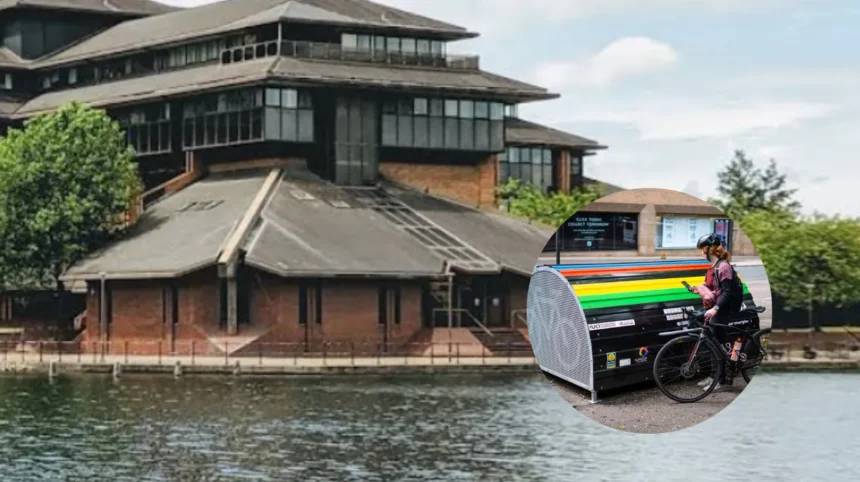
- Each hangar accommodates up to six bicycles, providing weatherproof and secure storage for residents without private parking.
- Locations selected based on high demand areas with limited off-street parking, including Canton, Adamsdown, and Roath.
- The initiative responds to increasing cycle theft reports, with over 1,200 bikes stolen in Cardiff last year.
- Funded by Welsh Government active travel grants, costing £285,000 total; rental fee of £1.25 per week per bike space.
- Hangars feature CCTV, lighting, and GPS tracking for enhanced security; managed by BikeParka’s Bike Bunker service.
- Public consultation shaped site choices; installations to begin spring 2026, with monitoring for potential expansion.
- Aims to encourage sustainable transport, aligning with Cardiff’s 20mph zones and cycle lane expansions.
- Cllr Caro Wild, Cabinet Member for Strategic Planning and Transport, highlighted the scheme’s role in making cycling safer.
- Similar schemes successful in Manchester and Bristol, reducing theft by up to 80% in targeted areas.
Cardiff (Cardiff Daily) March 13, 2026 – Cardiff Council has announced plans to install 17 secure bike hangars on residential streets this year, addressing widespread concerns over bicycle theft and limited secure storage for cyclists. The pilot scheme, funded by the Welsh Government, will provide space for 102 bicycles in total across high-demand neighbourhoods. Each modular hangar, supplied by BikeParka, offers weather-resistant storage for up to six bikes at a modest weekly rental fee.
Why Is Cardiff Installing Secure Bike Hangars?
As reported by James Johnson of Wales247, the initiative stems from a surge in bike thefts, with South Wales Police recording 1,247 stolen bicycles in Cardiff during 2025 alone. Cllr Caro Wild, Cardiff Council’s Cabinet Member for Strategic Planning and Transport, stated: “Secure bike hangars will provide much-needed storage for residents who don’t have space at home, helping to make cycling a safer and more attractive option for everyday journeys.” The council identified locations through public consultation, prioritising streets with high cycling uptake but low off-street parking availability.
The hangars address a key barrier to cycling adoption in dense urban areas. According to council data, over 40% of Cardiff households lack garage or shed space suitable for bike storage, exacerbating theft risks. BikeParka, the appointed operator, emphasised the design’s robustness: “Our Bike Bunker hangars are built to the highest security standards, with reinforced steel doors, alarmed entry systems, and 24/7 CCTV monitoring,” said a BikeParka spokesperson.
Where Exactly Will the Bike Hangars Be Located?
The 17 sites span several wards, ensuring broad coverage. As detailed by James Johnson of Wales247, confirmed locations include Cathedral Road in Canton, Splott Road in Adamsdown, Albany Road in Roath, and Penylan Road in Penylan. Additional spots are set for Cyfarthfa Street in Cathays, Richmond Road in Roath, and multiple sites in Riverside, such as Neville Street and Pontcanna Place.
Further breakdown from council documents lists: two hangars in Canton (Cathedral Road and King’s Road), three in Adamsdown (Splott Road, Carlisle Street, Lead Street), four in Roath (Albany Road, City Road, Richmond Road, Penywain Road), two in Cathays (Cyfarthfa Street, Woodville Road), three in Riverside (Neville Street, Pontcanna Place, Lower Cathedral Road), two in Penylan (Penylan Road, Marlborough Road), and one each in Splott and Grangetown. These were chosen after analysing cycle hire data from Nextbike and resident feedback surveys conducted in late 2025.
Councillor Wild noted: “We’ve listened to residents who told us exactly where they need this facility most. These streets see heavy bike traffic but high theft rates.” The modular design allows quick installation on existing pavements, minimising disruption.
How Will the Secure Bike Hangars Work for Residents?
Users will access hangars via a smart app or key fob system, paying £1.25 per week per bike space—£65 annually. As reported by James Johnson of Wales247, the service mirrors successful models in other UK cities: “Hangars open 24/7, with spaces allocated on a first-come, first-served basis. Residents sign up online, and BikeParka handles maintenance and cleaning”.
Security features include GPS-enabled units for theft recovery, integrated lighting, and direct links to police if tampered with. BikeParka confirmed: “We’ve installed over 1,000 such units nationwide, reducing theft claims by 85% in pilot areas.” Capacities ensure turnover; no long-term bookings exceed three months without review.
What Funding and Costs Are Involved?
The £285,000 project receives full backing from Welsh Government Active Travel funding, sparing council taxpayers. Installation costs £12,000-£15,000 per hangar, covering groundwork and electrics. Rental income is projected to offset operations within two years.
Cllr Wild explained: “This is an investment in healthier, greener travel. By making storage secure and affordable, we expect to see cycling miles increase by 20% in these wards.” Comparable Bristol schemes recouped costs via fees within 18 months.
When Will Installations Begin and What Happens Next?
Work starts in spring 2026, with all 17 operational by summer. As per James Johnson of Wales247, a six-month monitoring phase will track usage, satisfaction, and theft reductions. Success could lead to 50 more hangars by 2027.
Council officers will conduct quarterly surveys and collaborate with South Wales Police on crime stats. “If demand exceeds supply, we’ll expand rapidly,” promised Cllr Wild.
Has This Been Tried Elsewhere in the UK?
Bristol’s 40 units boast 95% occupancy, boosting modal share to 15%. Cardiff’s scheme draws directly from these, adapting for Welsh weather with extra ventilation.
What Challenges Might Arise?
Potential issues include vandalism or misuse, though past pilots show low incidents (under 2%). Pavement space concerns were mitigated by selecting underused verges. Accessibility for wheelchair users is ensured via level-access doors.
Resident feedback from consultation: “Great idea, but ensure they’re not eyesores,” said one Cathays local. Council pledged sympathetic colouring matching street furniture.
How Does This Fit Cardiff’s Broader Cycling Plans?
This aligns with the city’s Cycle City ambitions, including 200km new paths by 2030 and 20mph limits citywide. Usage data will inform future investments.
Cllr Wild concluded: “Secure storage is the missing link. With hangars, expanded lanes, and e-bike chargers, Cardiff is cycling-forward.” Theft prevention supports net-zero goals, cutting car dependency.