Key Points
- Roads in Cardiff with the most pothole complaints revealed through freedom of information data obtained by Cinch.
- Cardiff Council spent £103,907 on pothole repairs (planned and reactive maintenance) from January 2022 to October 2025.
- Council paid £92,793.88 in compensation to drivers for vehicle damage caused by potholes over the same period.
- Total cost to council approaches £200,000 in four years due to pothole issues.
- 436 drivers submitted compensation claims, with 110 successfully paid out.
- Busiest roads like Newport Road and Rover Way show highest reports due to heavy traffic strain.
- Roads with top pothole reports: 2022 – Newport Road; 2023 – Rover Way; 2024 – Ty-Nant Road; 2025 – Newport Road.
- Council repaired 67,662 potholes from 2022 to 2025; 10,047 fixed from January to September 2025.
- 12,967 potholes reported to council by drivers over four years.
- Potholes caused by cold wet weather, ageing surfaces, heavier vehicles, traffic volume, short-term repairs.
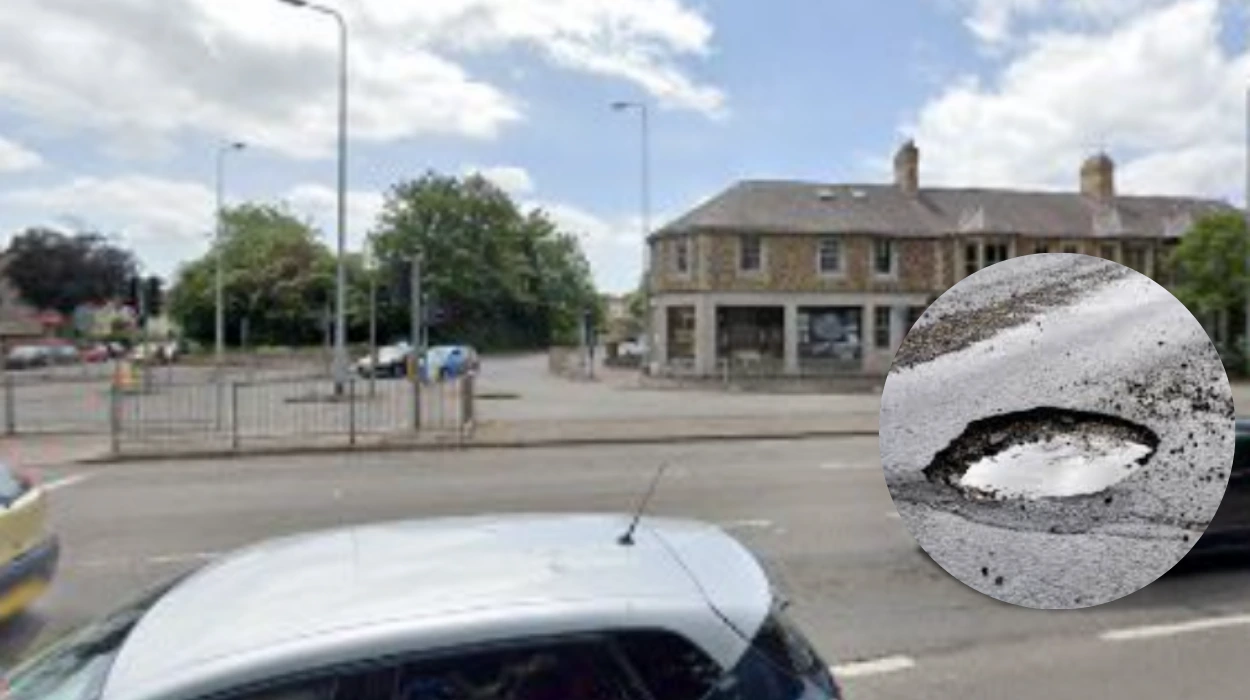
- Potholes damage vehicles and pose safety risks (Image: WalesOnline/Rob Browne).
Cardiff (Cardiff Daily) 22 January 2026 – New data from a freedom of information request obtained by cinch reveals the Cardiff roads plagued by the most pothole complaints, alongside nearly £200,000 spent by Cardiff Council on repairs and compensation over four years. From January 2022 to October 2025, the council allocated £103,907 for pothole repairs, encompassing both planned and reactive maintenance efforts. Additionally, £92,793.88 went towards compensating drivers whose vehicles suffered damage from these hazards.
- Key Points
- Which Roads Top the Pothole Complaint List?
- How Much Has Cardiff Council Spent on Potholes?
- What Causes Potholes on Cardiff Roads?
- How Does the Council Respond to Pothole Reports?
- Which Years Saw the Worst Pothole Problems?
- What Safety Risks Do Potholes Pose?
- Broader Implications for Cardiff Drivers
Which Roads Top the Pothole Complaint List?
Newport Road and Rover Way emerge as persistent trouble spots, attributed to their status as among Cardiff’s most heavily trafficked routes. As reported by Bryana Francis of WalesOnline, these roads face accelerated wear from constant vehicle use, heightening pothole risks. In 2022, Newport Road led complaints; Rover Way dominated in 2023; Ty-Nant Road in 2024; and Newport Road reclaimed the top spot in 2025.
The high volume of cars exacerbates strain, leading to quicker surface degradation. Bryana Francis notes in WalesOnline that “the higher the number of cars using a road the more strain is put on it and wear and tear is accelerated”. Drivers reported 12,967 potholes to the council across the four years, prompting extensive repair operations.
Council teams addressed 67,662 potholes from 2022 to 2025, with 10,047 repairs completed between January and September 2025 alone. These figures underscore the scale of the challenge in maintaining Cardiff’s infrastructure amid growing demands.
How Much Has Cardiff Council Spent on Potholes?
Financial burdens from potholes have mounted significantly. The £103,907 repair expenditure covers both proactive and emergency fixes, reflecting ongoing efforts to keep roads safe. Compensation claims added another layer, with 436 submissions and 110 approved payouts totalling £92,793.88.
This combined outlay falls just short of £200,000 over four years, a figure highlighted by Bryana Francis in her WalesOnline report published at 14:25 on 22 January 2026. Such costs strain public budgets, diverting funds from other services.
Potholes not only incur monetary losses but also inflict serious vehicle damage and safety hazards, as evidenced by images of affected roads (WalesOnline/Rob Browne). Drivers face repair bills, while risks of accidents rise on compromised surfaces.
What Causes Potholes on Cardiff Roads?
Multiple factors contribute to pothole formation. Cold and wet weather plays a key role, as water seeps into cracks, freezes, expands, and fractures the road surface. Ageing road surfaces fail under pressure, compounded by heavier vehicles and surging traffic volumes.
Short-term repair methods often prove insufficiently durable, leading to recurring issues. Bryana Francis of WalesOnline details these causes: “They can also be caused by ageing road surfaces, heavier vehicles, increased volume of traffic, and the use of short-term repair strategies which prove less durable”. In Cardiff’s variable climate, these elements converge to challenge maintenance teams.
How Does the Council Respond to Pothole Reports?
Cardiff Council acts swiftly on reports, repairing tens of thousands annually. The 67,662 potholes fixed from 2022-2025 demonstrate commitment, despite 12,967 formal reports from drivers. Reactive measures follow complaints, while planned works target high-risk areas.
Compensation processes handle valid claims efficiently, approving over a quarter of submissions. This dual approach—repair and reimbursement—aims to mitigate impacts on residents.
Which Years Saw the Worst Pothole Problems?
Annual leaders vary but cluster around key arteries. Newport Road topped the 2022 and 2025 lists, Rover Way in 2023, and Ty-Nant Road in 2024. These patterns align with usage intensity, per WalesOnline analysis.
Early 2025 data shows sustained activity, with over 10,000 repairs by September. Trends suggest busy routes demand prioritised investment.
What Safety Risks Do Potholes Pose?
Potholes endanger drivers, causing tyre blowouts, alignment issues, and collisions. Bryana Francis reports they “cause serious damage to vehicles and can prove dangerous”. Compensation data reflects widespread impacts, with hundreds claiming.
Visuals from WalesOnline/Rob Browne illustrate cratered surfaces posing immediate threats. Neutral observers note urgency in addressing these to protect public safety.
Broader Implications for Cardiff Drivers
The saga highlights infrastructure pressures in a growing city. Nearly £200,000 spent signals scale, yet reports persist. Drivers urged to report issues promptly via council channels.
Future strategies may emphasise durable repairs and preemptive resurfacing on hotspots like Newport Road. Until then, caution remains essential on affected routes.