Key Points
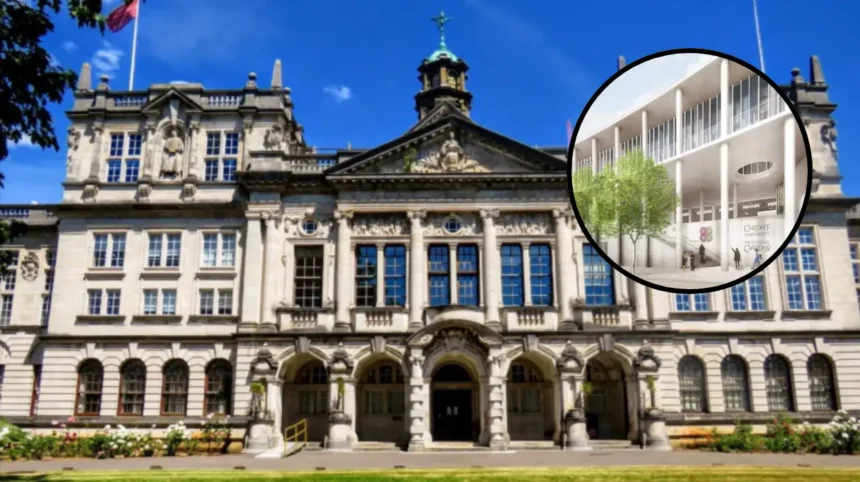
- Student Concepts: Cardiff University architecture students have developed innovative architectural designs, including a nuclear education center located in an English landscape garden.
- Integration in Historic Landscape: The new nuclear education center has been designed to be located within the historic landscape of Stowe in the UK. Dezeen
- Showcase for Visibility: The student projects have been showcased under the continuing series of Dezeen School Shows that features advanced educational projects from architectural institutions. Dezeen
- Highlights from Different Disciplines: Apart from the nuclear education center, the other projects of Cardiff University include some more concepts related to society and environment.
Cardiff (Cardiff Daily) September 23, 2026 – Architecture students at Cardiff University have captured public and academic interest with a series of imaginative design projects, headlined by a specialized nuclear education centre planned for a historic English garden setting. The innovative proposals form part of the latest digital exhibition featured on the global architecture and design platform Dezeen. The student works highlight a growing trend among emerging designers to merge high-tech or industrial themes with sensitive, heritage-rich landscapes.
What are the key features of the nuclear education centre project by Cardiff University students?
As reported by Dezeen staff in their coverage for Dezeen, the standout project features “a centre dedicated to nuclear learning set within the historic landscape of Stowe, UK”. The conceptual scheme carefully navigates the juxtaposition between heavy, technical nuclear science education and the preserved, picturesque qualities of a traditional English garden landscape.
According to the details published on Dezeen by Dezeen staff, the institution’s student showcase spans multiple visionary concepts designed to tackle contemporary architectural challenges. The nuclear education facility at Stowe represents an exploration into how specialized, potentially controversial educational infrastructure can be integrated into protected historical environments without compromising their aesthetic or cultural value.
How does this project fit into the broader Cardiff University showcase on Dezeen?
As outlined in the architectural review by Dezeen staff of Dezeen, the nuclear learning centre is part of an extensive rollout of student portfolios originating from Cardiff University’s architecture programmes. Over recent weeks, the publication has featured multiple iterations of Cardiff University student projects, ranging from community-focused infrastructure to sensitive heritage adaptations.
The inclusion of the Stowe-based nuclear centre emphasizes the diverse scope of study undertaken by the students, pushing boundaries beyond conventional urban building typologies into speculative, landscape-driven architecture. The initiative provides these emerging professionals with an international stage to display their graduation and master’s level concepts to the wider design community.
Explore more Local Cardiff News:
Cardiff Council Launches Soft Plastics Recycling Trial for Local Households Cardiff 2026
Cardiff City Hall Reopening Delayed Further Until Summer 2027 in Cardiff 2026
Background of the Particular Development
The integration of industrial or high-technology educational facilities into historic landscapes represents a continuing pedagogical shift within contemporary architecture schools, including Cardiff University. Over recent years, design studios have increasingly tasked students with examining the friction points between modern scientific advancements—such as nuclear energy education—and heritage conservation. The choice of Stowe, renowned for its historic gardens and landscape architecture, serves as a deliberate academic exercise to test whether high-impact facilities can coexist with or even enhance heritage discourse. Platforms like Dezeen have regularly partnered with academic institutions to broadcast these experimental student briefs, giving visibility to concepts that challenge standard land-use paradigms.
How This Development Can Affect the Architectural Community and Students
This high-profile exposure on an international design platform can significantly elevate the profiles of the graduating Cardiff University students, bridging the gap between academic theory and industry recognition. For the broader architectural community, such speculative projects stimulate vital debates regarding land use, heritage protection, and the spatial requirements of future energy and educational sectors. By visualizing controversial or complex themes like nuclear learning within tranquil, historic settings, these student proposals encourage practicing architects to adopt more interdisciplinary and unorthodox approaches when designing institutional infrastructure in sensitive locations.