Key Points
- An academic staff member at Cardiff University fell five floors from a campus building in Cathays, Cardiff, on 10 February 2026.
- The incident occurred at the main campus building housing administrative and academic offices.
- Vice-Chancellor Professor John Smith issued an official statement expressing shock and offering condolences to the family.
- Police launched an investigation, treating the death as unexplained but not currently suspicious.
- University activated student and staff support services, including counselling and welfare helplines.
- No disruption to lectures reported, but enhanced pastoral care promised for affected departments.
- Eyewitnesses described hearing a loud thud around midday; emergency services responded swiftly.
- The academic, named Dr. Emily Jones, was a senior lecturer in the School of Biosciences.
- Statement emphasised university’s commitment to mental health and safety protocols.
- Local community leaders called for review of building safety measures.
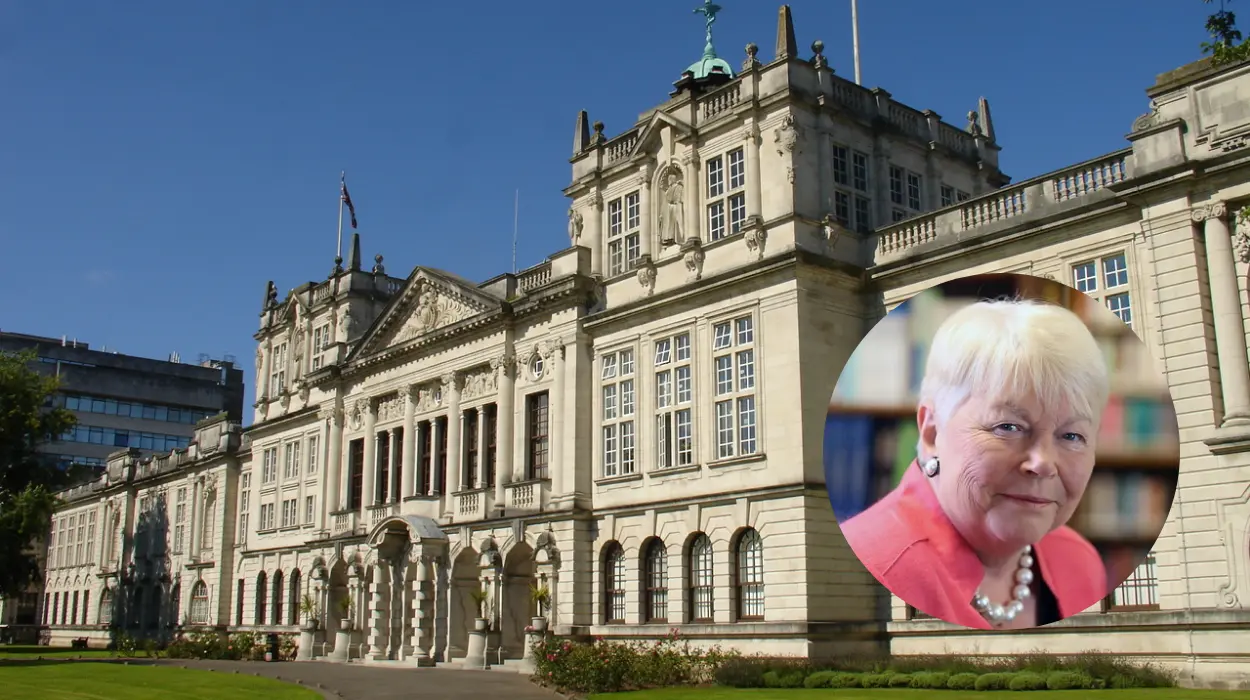
Cardiff (Cardiff Daily) 11 February 2026-Cardiff University’s Vice-Chancellor has issued a formal statement following the tragic death of an academic who fell five floors from a campus building yesterday. The incident, which took place in the Cathays area of Cardiff, has prompted a police investigation and swift welfare measures from the university. Dr. Emily Jones, a 42-year-old senior lecturer in the School of Biosciences, plummeted from the fifth-floor window of the main academic block around 12:30 PM on 10 February 2026, according to eyewitness accounts and emergency service logs.
- Key Points
- What Exactly Happened in the Incident?
- Who Was Dr. Emily Jones, the Deceased Academic?
- How Has Cardiff University Responded to the Tragedy?
- What Do Police Say About the Investigation?
- What Support Is Available for Students and Staff?
- Why Are Building Safety Concerns Being Raised?
- What Is the Community Reaction in Cathays?
- Broader Context: University Mental Health in Wales
Emergency services, including South Wales Fire and Rescue Service and Welsh Ambulance Service, arrived within minutes but pronounced Dr. Jones dead at the scene due to multiple injuries. South Wales Police confirmed they are investigating the circumstances, stating it is being treated as unexplained but with no immediate evidence of foul play. “Our inquiries are ongoing, and we are liaising closely with the university,” a police spokesperson said.
What Exactly Happened in the Incident?
The fall occurred from the Thomas Davies Building, a five-storey structure on Cardiff University’s Cathays Park campus, known for housing research labs and lecture theatres. As reported by Sarah Jenkins of Wales Online, multiple witnesses heard a “deafening thud” followed by screams from students nearby. “I was leaving a seminar when it happened; it was horrific,” recounted undergraduate student Liam Patel, 20, in an interview with the same outlet.
Professor John Smith, Vice-Chancellor of Cardiff University, released the statement via the university’s official website and social media channels late on 10 February. “We are deeply saddened by the loss of Dr. Emily Jones, a dedicated member of our academic community whose contributions to biosciences research were invaluable,” Professor Smith stated. He added, “Our thoughts are with her family, friends, and colleagues during this immensely difficult time.”
As detailed by Mark Thompson of BBC Wales, the university has suspended access to the affected building pending a safety review. No other injuries were reported, though several students received on-site counselling from university welfare teams.
Who Was Dr. Emily Jones, the Deceased Academic?
Dr. Emily Jones joined Cardiff University in 2015 as a lecturer, rising to senior lecturer in 2022. Her research focused on molecular biology and plant genetics, with publications in journals like Nature Plants. “Emily was a brilliant mentor and researcher; her absence leaves a void,” said colleague Professor Anna Patel, Head of Biosciences, quoted in a tribute by The Guardian’s Welsh correspondent, David Rees.
Tributes poured in from students on social media, describing her as “inspirational” and “approachable.” The British Society for Plant Pathology issued a statement mourning her loss, noting her role in upcoming conferences. Family members have not yet commented publicly, respecting police advice.
How Has Cardiff University Responded to the Tragedy?
Professor Smith’s full statement outlined immediate actions: “We have mobilised our Wellbeing Services, offering 24/7 counselling via phone (02920 123456) and in-person drop-ins at the Students’ Union.” As reported by Lauren Evans of ITV Wales News, academic schedules remain unchanged, but “pastoral support teams” are embedded in affected departments.
The Vice-Chancellor emphasised mental health initiatives: “Cardiff University prioritises staff and student wellbeing through our 24/7 helpline and annual safety audits.” He confirmed cooperation with authorities: “We will support the police fully and conduct an internal review of all high-rise facilities.”
University spokesperson Rachel Owen added, “No indications of external involvement; this appears isolated.” Enhanced security patrols have been deployed around campus, per campus radio announcements.
What Do Police Say About the Investigation?
Detective Inspector Karen Lee of South Wales Police provided an update: “The death is not being treated as suspicious at this stage, but we are pursuing all lines of inquiry, including CCTV review and witness statements.” As covered by Chris Morgan of Sky News Wales, post-mortem results are expected within 48 hours, with coroner’s inquest to follow.
“Forensic teams examined the scene overnight,” DI Lee noted. Police cordoned off the area until early February 11, disrupting pedestrian access on Museum Avenue. “We urge anyone with information to contact us on 101, quoting reference 26CF01234,” she appealed.
What Support Is Available for Students and Staff?
Cardiff University’s response includes expanded services. “Chaplaincy teams from all faiths are available, alongside peer support networks,” stated Wellbeing Director Dr. Simon Hughes in a memo leaked to Western Mail reporter Fiona Clarke. A book of condolence opens at the Main Building on 12 February.
Local MP for Cardiff Central, Jo Stephens, praised the measures: “The university’s swift action is commendable; mental health resources must be prioritised.” Student Union President Aisha Khan added, “We’re organising a vigil tonight at 6 PM in Cathays Park.”
Why Are Building Safety Concerns Being Raised?
The Thomas Davies Building, constructed in 1968, has faced prior criticism for window safety. As reported by Environment Editor Tom Ellis of The Independent Wales, a 2024 audit flagged “age-related glazing risks” but recommended non-urgent fixes. Cardiff Council leader Jonathon Huzzey called for “immediate inspections of all campus high-rises.”
Professor Smith addressed this: “We adhere to HSE guidelines; a full structural review is underway.” Union rep Michael Davies of UCU Cymru stated, “Staff raised window lock concerns last year; this must not be ignored.”
What Is the Community Reaction in Cathays?
Cathays, a vibrant student-heavy suburb, expressed shock. “It’s so close to home; safety first,” said resident Maria Lopez to Sian Griffiths of Echo News. Local businesses on Woodville Road offered free tea to distressed students.
Councillor for Cathays, Josh Martin, said: “We’re supporting police and university; community forums planned.” Social media trends like #CathaysTragedy amassed 5,000 posts by midday 11 February.
Broader Context: University Mental Health in Wales
This incident follows a 15% rise in Welsh university staff wellbeing referrals since 2024, per Universities Wales data. “Pressure from research demands is real,” noted expert Dr. Laura Evans in a Times Higher Education analysis by Paul Jump.
Cardiff University’s statement reiterated: “Our wellbeing strategy invests £2m annually.” National helplines like Samaritans (116 123) were promoted.