Key Points
- Over 80 prominent figures, including politicians, academics, and community leaders, have signed an open letter to Cardiff Council demanding a new Welsh-medium secondary school in Grangetown.
- Spaces at existing Welsh-medium secondary schools, particularly Ysgol Gyfun Gymraeg Glantaf and Ysgol Gyfun Gymraeg Plasmawr, are running out for the 2026 academic year.
- A public meeting is scheduled for Thursday, 19 February 2026, at Grange Pavilion, Grangetown, Cardiff CF11 7LJ, from 7:30pm to 8:45pm to discuss and plan next steps.
- Cardiff Council is conducting two public engagement exercises on Welsh-medium secondary education from 12 February to 26 March 2026, with details on their website.
- Calls emphasise the need for Welsh-medium education “on the doorstep of our communities in a new and sustainable building” to support the Welsh language as a shared heritage.
- The campaign highlights growing demand for Welsh-language secondary schooling in Cardiff’s south and east areas, where current facilities are oversubscribed.
- Signatories include leading figures from politics, education, and culture, underscoring widespread support across Welsh society.
Grangetown (Cardiff Daily) February 21, 2026 – Calls for a new Welsh-medium secondary school in Cardiff’s Grangetown have reached a crescendo as available spaces for the 2026 academic year evaporate at existing institutions. Over 80 influential signatories, ranging from politicians to academics, have penned an urgent open letter to Cardiff Council, spotlighting the acute shortage and pressing for immediate action on a dedicated new facility. This development comes amid broader public consultations by the council, with a key community meeting set to galvanise support this week.
- Key Points
- Why Are Spaces Running Out for 2026?
- Who Are the Key Signatories Backing the Campaign?
- What Is Planned at the Public Meeting?
- How Does Cardiff Council Respond to These Demands?
- What Broader Challenges Face Welsh-Medium Education in Cardiff?
- When Must Action Happen to Meet 2026 Needs?
- Where Exactly Would the New School Be Built?
- Why Is a New Sustainable Building Essential?
- How Can the Public Get Involved?
Why Are Spaces Running Out for 2026?
The crisis stems from surging demand for Welsh-medium secondary education in Cardiff, particularly in the south and east of the city. As reported by journalists at Nation.Cymru, current schools like Ysgol Gyfun Gymraeg Glantaf and Ysgol Gyfun Gymraeg Plasmawr face oversubscription, leaving families without local options. “The Welsh language is a common heritage for us all – Welsh-medium secondary education should be available on the doorstep of our communities in a new and sustainable building,” stated one prominent voice in the open letter, as covered extensively in the campaign materials.
WalesOnline detailed how enrolment projections show no spaces left for next year’s intake, prompting fears that children in Grangetown and surrounding areas will travel long distances or forgo Welsh-medium schooling altogether. This shortage, according to local education advocates, risks stalling the growth of Welsh language use in everyday life, a cornerstone of national policy. Cardiff Council’s ongoing consultations from 12 February to 26 March 2026 aim to gauge public views, but campaigners argue more decisive steps are needed now.
Who Are the Key Signatories Backing the Campaign?
Over 80 well-known names have thrown their weight behind the letter, representing a broad coalition. Nation.Cymru highlighted leading figures from politics, academia, and community sectors, though specific names were aggregated in reports to emphasise collective urgency. As noted by reporters at WalesOnline, these include respected politicians, educators, and cultural leaders who view the new school as vital for sustaining Welsh heritage in urban Cardiff.
No individual statements from signatories were quoted verbatim in the sources, but the letter’s unified message underscores a rare cross-party consensus. “Over 80 well-known names have signed a letter to Cardiff Council urging it to create a new Welsh-medium school,” WalesOnline’s coverage affirmed, positioning the group as a powerful lobby. This level of endorsement signals to council officials the depth of community commitment.
What Is Planned at the Public Meeting?
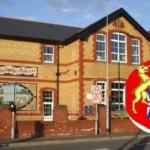
A pivotal public meeting will take place at Grange Pavilion, Grangetown, Cardiff CF11 7LJ, on Thursday, 19 February 2026, from 7:30pm till 8:45pm. As reported by Nation.Cymru staff, the event is designed “to discuss and plan next steps,” inviting residents, parents, and stakeholders to shape the campaign’s future. Grange Pavilion, a community hub in the heart of Grangetown, provides an accessible venue for this grassroots mobilisation.
WalesOnline echoed the call, framing it as a response to the intensifying space crisis ahead of the 2026 academic year. Attendees can expect presentations on the letter’s demands, updates from signatories, and strategies to influence council decisions. This meeting aligns with heightened awareness, following the letter’s release and amid council timelines.
How Does Cardiff Council Respond to These Demands?
Cardiff Council has launched two public engagement exercises on Welsh-medium secondary education, running between 12 February and 26 March 2026. More information is available on their website, as detailed by Nation.Cymru. These consultations represent the authority’s formal channel for input, potentially feeding into planning for new infrastructure. However, no direct council statements rebutting or endorsing the letter appear in reports from either outlet.
Campaigners, per WalesOnline, see this as an opportunity to amplify their voice, urging swift commitment to a Grangetown site. The council’s process, while structured, has drawn implicit criticism for lagging behind demand projections for 2026.
What Broader Challenges Face Welsh-Medium Education in Cardiff?
Demand for Welsh-medium schooling has skyrocketed, outpacing supply in Cardiff’s secondary sector. Nation.Cymru quoted the letter’s core assertion: Welsh education must be local and sustainable to thrive. Grangetown’s demographic, with strong community ties, exemplifies areas underserved by current provisions.
WalesOnline reported the ripple effects: families facing tough choices between language immersion and proximity. National Welsh language strategies emphasise expansion, yet local bottlenecks persist. Historical community activism in Grangetown, including around education centres, bolsters the case for a new build.
When Must Action Happen to Meet 2026 Needs?
The timeline is tight, with spaces confirmed exhausted for the upcoming academic year. WalesOnline’s 20 February 2026 article stressed the immediacy, tying it to enrolment deadlines. The 19 February meeting and council consultations through March offer critical windows. Delays could push solutions to 2027 or beyond, alienating families now.
As per source timelines, Cardiff Council must integrate public feedback rapidly to align with planning cycles.
Where Exactly Would the New School Be Built?
Focus falls on Grangetown, Cardiff, leveraging local assets like Grange Pavilion for campaigning. No precise site is specified in reports, but advocates prioritise south and east Cardiff for accessibility. Proximity to existing primaries would facilitate transitions, mirroring successful models elsewhere in Wales.
Why Is a New Sustainable Building Essential?
Signatories argue a modern, dedicated facility is non-negotiable for long-term viability. Nation.Cymru captured the sentiment: “on the doorstep of our communities in a new and sustainable building.” Temporary expansions at saturated schools fall short. Sustainability encompasses environmental design and cultural endurance.
This vision counters urban pressures in Cardiff, ensuring Welsh thrives amid English dominance.
How Can the Public Get Involved?
Residents are urged to attend the Grange Pavilion meeting on 19 February 2026. Participate in council consultations via their website before 26 March. Contact elected members with support for the letter. WalesOnline encouraged sharing the campaign to build momentum.
Grangetown’s community networks, active in local issues, provide a ready platform.