Key Points
- More than £60,000 spent on resurfacing Station Road in Llandaff North, Cardiff, over the past decade: £20,458 in 2013, £18,575 in 2021, and £21,400 in 2023.
- Potholes have re-emerged after a harsh winter, prompting calls from local businesses for immediate repairs.
- Cardiff Council attributes the surge in potholes to significant rainfall, sub-zero temperatures, and third-party highway works creating surface weaknesses.
- Local business owners, including Saul Johnstone of Cafe Artiste, George Deane of Party Central Cardiff, Samantha Johnstone of Salon Artiste, and John Cruise of Hapus Wales, report increased pothole issues affecting customer conversations and vehicle wear.
- Council uses a mix of temporary and long-term repairs; recently awarded £10m extra from Welsh Government for road resurfacing over two years.
- National UK road repair backlog exceeds £12bn; council complies with Highways Act 1980 and maintenance codes.
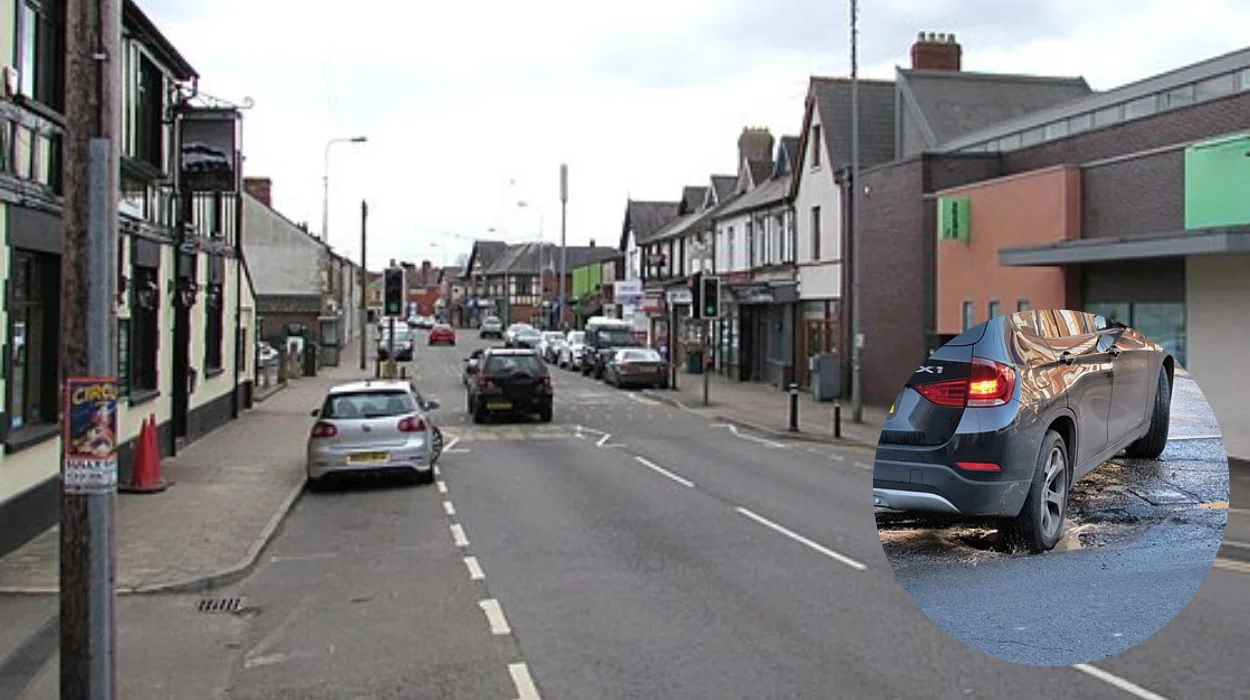
Llandaff North (Cardiff Daily) February 03, 2026 – Station Road in Llandaff North has become a hotspot for potholes despite over £60,000 in council repairs across three phases in the last decade, leaving local businesses frustrated and calling for urgent action amid a particularly harsh winter.
Why Are Potholes Returning So Quickly on Station Road?
As reported by Kieran Molloy, Local Democracy Reporter for Reach PLC, dated Feb 03, 2026, more than £20,000 was spent fixing a stretch of Cardiff road less than three years ago, yet now there are calls for it to be done all over again. It is the third time in just over 10 years that works have been needed on the busy road, at a time when Cardiff Council admits the number of potholes appearing on roads across the capital is significantly higher than previous years. In 2013, Cardiff Council carried out resurfacing work on Station Road, Llandaff North, at a cost of £20,458; localised surfacing work took place in 2021, costing £18,575; and more recently, resurfacing work occurred in 2023 as part of a localised improvement works programme, costing £21,400.
However, after a harsh winter, the potholes have begun to open back up again, much to the dismay of local businesses. The issue extends beyond Station Road, with other roads like Fairoak Road also badly affected across Cardiff.
What Is Cardiff Council Saying About the Pothole Surge?
A spokesperson for Cardiff Council said: “There is no doubt that it has been a very difficult winter for council staff fixing Cardiff’s highway network.” They added: “Due to the significant amount of rain and sub-zero temperatures, the number of potholes appearing on the road network is significantly higher than previous years.” “This isn’t helped by third parties carrying out work on the highway, although the work may be deemed as essential, it can unfortunately create a weakness in the road surface, which can allow water to enter the structure of the road.”
The spokesperson further explained: “The council uses the resources available to best effect by carrying out a variety of roadworks across the highway network including reconstruction, re-surfacing, surface patching and treatments as well as temporary make-safe repairs to potholes.” “Recently, the Welsh Government has awarded Cardiff an additional £10m to resurface roads which the council will be spending over the next two years.” “Potholes may be repaired temporarily to make the locality safe until a long-term solution can be provided which requires more extensive patching or resurfacing of the road.” The spokesperson added: “In the UK, there is a national backlog of road repairs greater than £12bn. The council inspects the highway network in line with all legislation – The Code of Practice for Highway Maintenance Management and the requirements of the Highways Act 1980.”
How Are Local Businesses Affected by Station Road Potholes?
Saul Johnstone, 35, of Cafe Artiste on Station Road, said: “I think we’ve definitely noticed an increase over the winter, which I suppose is fairly typical, given the bad weather.” He added: “I’ve never really had cause to bring it up in conversation before, but I think more recently, people are coming in [Cafe Artiste] and mentioning them.” “It is a bit of a feature of conversations in here.” As the roads opened up recently, he hopes the council will get around to addressing them in “the next few weeks”.
George Deane, 26, of Party Central Cardiff, also on Station Road, said: “I would love if the council could do a little bit more about our road situation.” He added: “I understand it’s not an easy task, but it is a major issue in our area and the surrounding areas of Cardiff.” When asked if he was aware of the resurfacing done three years ago, Mr Deane said that he was, but claimed the council had done a “terrible job”. He said road conditions have “100 per cent gotten worse” in recent months.
A similar sentiment was shared by Samantha Johnstone, 40, of Salon Artiste, who said that since the partial resurfacing in 2023, the potholes have “got worse now”. She added the council “need to get someone out” to Station Road due to the “wear and tear” the potholes were causing on people’s cars.
John Cruise, 72, of Hapus Wales, said: “Everything is opening back up now, so any repairs they do, which tend to be temporary, [the roads] just open back up again.”
What Broader Challenges Face Cardiff’s Roads?
The pothole problem on Station Road exemplifies wider issues across Cardiff, where harsh weather has exacerbated surface deterioration. Localised repairs, while necessary, appear insufficient against repeated cycles of damage from rain and frost, compounded by utility works from third parties. Businesses along the road highlight not just inconvenience but tangible impacts, such as damaged vehicles and frequent customer complaints turning into a “feature of conversations”.
Cardiff Council’s multi-faceted approach prioritises safety with temporary fixes while planning extensive resurfacing, bolstered by the Welsh Government’s £10m allocation. Yet, the national context looms large: a £12bn repair backlog underscores systemic underfunding affecting local authorities nationwide. Compliance with legal standards like the Highways Act 1980 ensures inspections, but residents and traders question the longevity of interventions.
This story, drawn comprehensively from Kieran Molloy’s reporting, captures the frustration of repeated investments yielding short-term gains on Station Road. As winter recedes, anticipation builds for council action, with businesses like Cafe Artiste, Party Central, Salon Artiste, and Hapus Wales voicing hopes for durable solutions amid ongoing wear.