Key Points
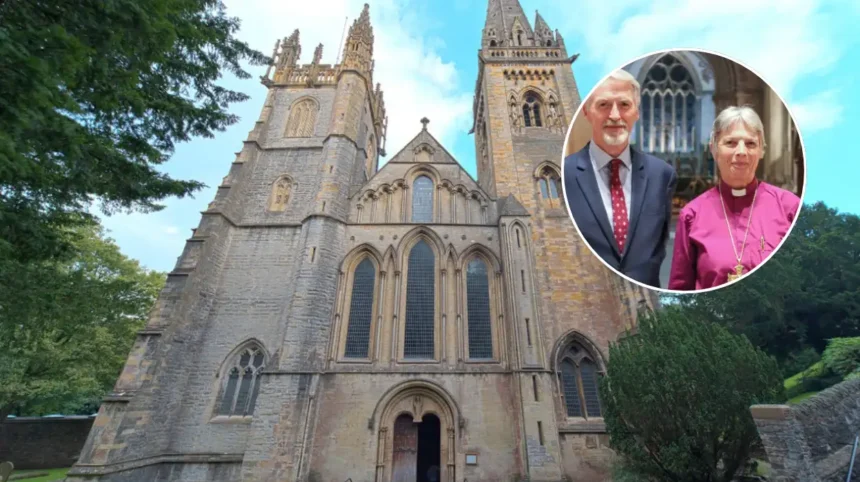
- Elected officials and church leaders met on Tuesday at Llandaff Cathedral for an ecumenical service in which the work of the Welsh Senedd will be blessed as it begins its new session.
- All Senedd Members (MSs) of whatever political party attended the service that was organized to offer support in prayer for public service.
- It is worth noting that this is the first Senedd opening after Plaid Cymru became the dominant party of the Welsh Parliament.
- Officially opening the new parliamentary session on Thursday was King Charles and Queen Camilla.
- The Most Rev Cherry Vann, Archbishop of Wales, delivered a sermon during the service with a focus on the duties placed upon those who serve the people of Wales.
- Extra prayers and readings were provided by high-profile religious leaders, including the Bishop of Llandaff, the Roman Catholic Archbishop of Cardiff-Menevia, and the Bishop of St Davids together with other leaders of Senedd presiding and members of the interfaith.
- Cynan Llwyd, general secretary of Cytûn (Churches Together in Wales), underscored the significance of this service for the sake of wisdom, compassion, and community well-being.
Cardiff (Cardiff Daily) October 24, 2026 — Political and religious leaders assembled at Llandaff Cathedral on Tuesday for an ecumenical service dedicating the upcoming term of the Welsh Senedd to public service, community welfare, and collaborative governance, preceding the official parliamentary opening by the British monarch.
Why Did Political and Religious Leaders Gather at Llandaff Cathedral?
As reported by James Lewis of Premier Christian News, leading figures in politics and the church gathered at Llandaff Cathedral to pray for and support individuals involved in public service, with Members of the Senedd from all political parties invited to the service. This significant gathering took place immediately prior to the ceremonial opening of the Welsh parliament’s new term, which marks the first parliamentary opening since Plaid Cymru became the largest party in the Senedd.
Following the ecumenical service, King Charles and Queen Camilla officially started the parliament’s term during a high-profile ceremony on Thursday. The convergence of spiritual blessings and royal patronage underscored the constitutional and civic importance of the Welsh legislature as it commenced its fresh mandate.
What Did the Archbishop of Wales Say During the Ecumenical Service?
Addressing the congregation of politicians, faith leaders, and community representatives, the Most Rev Cherry Vann, Archbishop of Wales, preached on the moral weight of governance. As reported by James Lewis of Premier Christian News, Archbishop Cherry Vann stated that:
“It is right that we come together in prayer, reflecting on the responsibilities entrusted to those who serve the people of Wales.”
Expanding upon the themes of public duty and integrity, Archbishop Cherry Vann added that the service was
“an opportunity to pray for all Members of the Senedd, that they may be guided by wisdom, integrity and compassion in their work, and that they will always keep in view the dignity of every person and the common good of our society.”
Furthermore, looking toward the parliamentary horizon, Archbishop Cherry Vann concluded with the following sentiment, as reported by James Lewis of Premier Christian News:
“I pray that this new Senedd term will be marked by a spirit of service, constructive dialogue and renewed hope for the people of Wales.”
Explore more Llandaff News
Waungron Road Council Homes and Transport Hub Milestone in Llandaff 2026
Major Roadworks Disrupt Llandaff Station Road in Cardiff 2026
Who Participated in the Prayers and Readings at Llandaff Cathedral?
The ecumenical nature of the service was reflected in the diverse array of religious leaders and parliamentary officials who took part in the proceedings. According to reporting by James Lewis of Premier Christian News, prayers were offered by the Rt Rev Mary Stallard, Bishop of Llandaff; the Most Rev Mark O’Toole, Roman Catholic Archbishop of Cardiff-Menevia; and the Rt Rev Dorrien Davies, Dean of the Royal Chaplaincy for Wales and Bishop of St Davids.
In addition to the episcopal prayers, scriptural readings and institutional addresses were delivered by prominent members of the Welsh legislature. Huw Irranca-Davies MS, serving as the Senedd presiding officer, and Sam Rowlands MS, chair of the Cross-Party Group on Faith, both delivered formal readings during the service. Interfaith representatives were also present to mark the inclusive nature of the gathering.
How Did Interfaith and Ecumenical Organizations Respond to the Event?
The broader religious community in Wales expressed strong support for the initiative and the ongoing work of elected officials. As reported by James Lewis of Premier Christian News, Cynan Llwyd, general secretary of Cytûn (Churches Together in Wales), shared her perspective on the significance of the occasion, stating that it represented
“a moment of shared commitment to wisdom, compassion and the good of every community in Wales.”
Llwyd further elaborated on the relationship between faith communities and the legislature, noting:
“Serving the people of Wales is a responsibility worthy of gratitude, encouragement and prayer so we hope that the Senedd members will feel encouraged and supported by this service. We look forward to further engagement with the Senedd as we all strive to serve every community in Wales.”
In support of these sentiments, the Church in Wales released a formal prayer, encouraging members of the public to join in offering blessings for the Senedd and the nation as a whole.
Background
The tradition of holding ecumenical services and offering civic prayers ahead of parliamentary terms forms part of the constitutional fabric of the United Kingdom, aligning spiritual reflection with legislative responsibility. Llandaff Cathedral, situated in Cardiff, has long served as a prominent venue for national services involving both church leaders and government officials. This particular gathering holds added political significance as it accompanies the opening of a newly configured Senedd following shifts in political representation, highlighted by Plaid Cymru becoming the largest party in the Welsh parliament. The combination of interfaith participation, ecumenical cooperation, and royal involvement by King Charles and Queen Camilla illustrates the ongoing integration of traditional civic ceremonies with modern Welsh democracy.
This spiritual and civic alignment at the start of the parliamentary term is anticipated to foster an atmosphere of cross-party collaboration among Members of the Senedd. For the Welsh electorate and local communities, the emphasis on constructive dialogue, integrity, and the common good may translate into more cohesive policymaking and a renewed focus on constituent welfare. While political divisions naturally remain robust within the legislature, the shared public commitment to compassion and public service can influence how contentious bills and regional development strategies are debated and resolved throughout the new Senedd term.