Key Points
- The Welsh Rugby Union (WRU) says only two concerts at Principality Stadium in 2026 are a temporary “blip”.
- WRU chief operating officer Gavin Marshall admits this year is “a bit disappointing” but stresses the concert calendar is “cyclical”.
- Take That return to Cardiff on Tuesday to recreate their 2009 “Circus Live” tour, 17 years after their original Wales show.
- Metallica will play the stadium’s second and final confirmed 2026 concert on 28 June at the 70,000-seat venue.
- WRU highlights bumper years in 2024 and 2025, with Taylor Swift, Pink, Bruce Springsteen, Oasis, Lana Del Rey, Kendrick Lamar, SZA, and Chris Brown all performing.
- The stadium now has 3,296 solar panels on its roof, the UK’s largest rooftop solar installation at a sports venue, costing around £1m and expected to save £300,000–£400,000 annually.
- Solar panels cover 6,000 m², generate ~1.25 million kWh per year, and reduce carbon output by about 219,791 kg yearly.
- WRU says it is focused on other events such as Hyrox and promises an “exciting” pipeline of events over the next three years.
- A major “Land of Song Festival” is planned for May 2027 at Principality Stadium, featuring Young Voices and Kilimanjaro Live.
- Marshall states the WRU is “excited about the future” despite the quieter concert year.
Cardiff (Cardiff Daily) June 16, 2026 – The Welsh Rugby Union (WRU) has described having only two concerts this year at the Principality Stadium as a “blip” and promised an “exciting” pipeline of events over the next three years, even as Take That fans flock to the Cardiff landmark to recreate their Circus Live tour, 17 years after the band originally performed it in Wales in 2009.
- Key Points
- Why are concert dates at Principality Stadium described as cyclical?
- How major is the WRU’s solar panel project at Principality Stadium?
- What other events are planned for Principality Stadium beyond 2026?
- How will fewer concerts and new sustainability measures affect Cardiff fans, local businesses, and WRU supporters?
- For concert fans and music attendees
- For local businesses and the Cardiff economy
- For WRU supporters and rugby fans
- For environmentally conscious audiences
- Background of the Development: Principality Stadium, WRU, and the Role of Concerts in Cardiff
- Prediction: How This Development Can affect Cardiff Fans, Local Businesses, and WRU Supporters
As reported by the BBC, the gig will be followed by the stadium’s second and last concert of the year later this month, with Metallica set to take to stage at the 70,000-seat venue on 28 June. Gavin Marshall, WRU’s chief operating officer, said while this year had been “a bit disappointing”, the WRU had focused on hosting other events including Hyrox.
Marshall said the lack of concerts in 2026 followed “bumper” years in 2024 and 2025. In 2025, acts at the Principality included Oasis, Chris Brown, Lana Del Rey, Kendrick Lamar and SZA, while 2024 saw Taylor Swift, Pink and Bruce Springsteen all take to the stage.
Why are concert dates at Principality Stadium described as cyclical?
While speaking about the Principality’s 3,000 solar panels which have been installed on the stadium roof, Marshall admitted the stadium was “lighter” on concerts this year. Describing the nature of concert dates as “cyclical”, Marshall said the WRU was
Nation.Cymru reported that questions have been raised about the lack of concerts announced for the Principality Stadium for 2026, but the WRU has said there is no cause for concern. A sports industry insider wrote to Nation.Cymru asking:
“Have you noticed that the stadium only has two concert dates currently scheduled for 2026? This compares to [much higher numbers in previous years]”.
How major is the WRU’s solar panel project at Principality Stadium?
The WRU has invested approximately £1 million to install over 3,000 solar panels on the roof of the Principality Stadium in Cardiff, labeling the initiative a “win-win” for supporters.
As reported by the BBC, the WRU announced that this installation, which stands as the largest of its type at any sports venue in the UK, is expected to reduce energy expenses by £300,000 to £400,000 annually.
The installation of the 3,296 panels involved transporting them through a large access tunnel known as the Dragon’s Mouth, placing them on the covered pitch, and then hoisting them onto the roof with a massive crane—a task that spanned several months.
Evoenergy, the firm responsible for the project, reported that the solar panels would produce enough electricity to sustain the equivalent of 50 match days. Spanning 6,000 square meters, the panels have been operational since February.
SolarQuarter reported that the system is expected to generate around 1.25 million kWh of clean electricity annually, supplying a significant portion of the stadium’s energy requirements while reducing its dependence on grid power.
MONDOstadia noted that the panels are expected to reduce Principality Stadium’s carbon output by 219,791 kg every single year, providing a substantial source of low-cost energy for the Welsh Rugby Union.
What other events are planned for Principality Stadium beyond 2026?
The WRU has promised an “exciting” pipeline of events over the next three years, even as the concert calendar is quieter in 2026.
Nation.Cymru reported that a huge “Land of Song Festival” celebrating Wales and its rich culture is to be staged at Principality Stadium in May 2027, with Young Voices in partnership with Kilimanjaro Live launching one of the world’s largest ever shared singing events.
The WRU has also been focusing on non-concert events such as Hyrox, a fitness competition, to maintain venue activity during the quieter concert year.
Gavin Marshall, as reported by the BBC, said the WRU was “excited about the future” despite the current dip in concert numbers.
How will fewer concerts and new sustainability measures affect Cardiff fans, local businesses, and WRU supporters?
The combination of fewer high-profile concerts in 2026 and the introduction of a major solar panel project at Principality Stadium will have several distinct effects on different audiences in Cardiff and beyond.
For concert fans and music attendees
- Short-term impact: With only two confirmed major concerts in 2026 (Take That and Metallica), fans seeking big-name live music in Cardiff will have fewer options at the stadium this year.
- Long-term outlook: The WRU’s promise of an “exciting” pipeline over the next three years suggests that 2027 and beyond could see a return to bumper concert years similar to 2024 and 2025.
- Upcoming large event: The “Land of Song Festival” in May 2027 offers a major shared singing event for those who enjoy community music experiences, even if it is not a traditional rock/pop gig.
For local businesses and the Cardiff economy
- Reduced concert revenue: Fewer concerts mean fewer large spikes in tourism-related spending for hotels, restaurants, pubs, and transport services around the stadium on concert nights.
- Cyclical pattern: Because concert dates are described as “cyclical”, the economic impact is likely to be temporary, with bigger concert years expected to return and generate higher visitor numbers.
- Sustainability branding: The solar panel project, as the UK’s largest stadium rooftop solar installation, strengthens the stadium’s environmental reputation, which could attract eco-conscious events and partners in the long run.
For WRU supporters and rugby fans
- Energy cost savings: The solar panels are expected to reduce energy expenses by £300,000–£400,000 annually, which could help the WRU manage its finances and potentially support rugby operations.
- Carbon reduction: The project will cut the stadium’s carbon output by about 219,791 kg per year, aligning the WRU with broader sustainability goals and potentially improving its image among environmentally aware supporters.
- Matchday experience: The panels generate enough electricity for around 50 match days, contributing to more sustainable matchday operations without necessarily changing the on-field rugby experience.
For environmentally conscious audiences
- Clear sustainability signal: The installation of 3,296 panels across 6,000 m² positions Principality Stadium as a leader in UK sports venue sustainability.
- Long-term energy independence: By generating 1.25 million kWh annually, the stadium reduces its reliance on grid power, which may insulate it from future energy price volatility.
Overall, the immediate effect of fewer concerts is a temporary reduction in major music events and associated economic activity, but the WRU’s emphasis on cyclical concert patterns and future event plans suggests this is not a long-term decline. At the same time, the solar panel project delivers tangible financial and environmental benefits that will support the WRU and the stadium’s operations for years.
Background of the Development: Principality Stadium, WRU, and the Role of Concerts in Cardiff
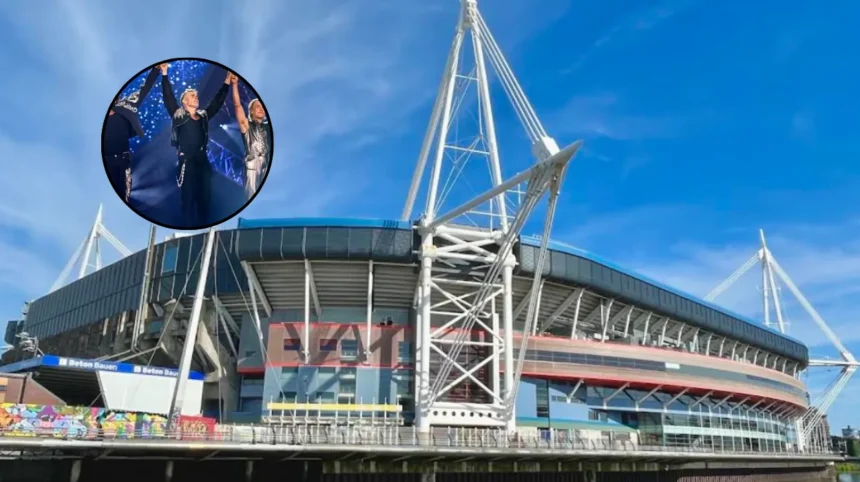
The Principality Stadium, located in Cardiff, is the home of Welsh rugby and a major multi-purpose venue operated by the Welsh Rugby Union (WRU).
With a capacity of around 70,000, it is one of the largest stadiums in the UK and a key location for major sporting and cultural events in Wales.
Over recent years, the stadium has become a regular destination for top international music acts. In 2024, Taylor Swift, Pink, and Bruce Springsteen performed at the venue, while 2025 saw Oasis, Chris Brown, Lana Del Rey, Kendrick Lamar, SZA, and others take to the stage. These “bumper” years established an expectation of frequent high-profile concerts in Cardiff.
The WRU has used concert revenue as part of its broader financial strategy, while also hosting rugby matches and other events such as fitness competitions like Hyrox.
The 2026 season, with only two major concerts (Take That and Metallica), has prompted questions about whether the stadium is failing to attract the number of concerts it needs, as highlighted by Nation.Cymru.
In parallel, the WRU has pursued a significant sustainability initiative. In June 2026, it was announced that the stadium now has 3,296 solar panels on its roof, the UK’s largest rooftop solar project at a sports venue. The project cost around £1 million and is expected to save £300,000–£400,000 annually while reducing carbon emissions.
The WRU’s chief operating officer, Gavin Marshall, has described the concert calendar as “cyclical”, noting that 2026 is quieter after strong years in 2024 and 2025, but that the union is “excited about the future”.
The upcoming “Land of Song Festival” in May 2027 further indicates that the WRU is planning major cultural events beyond traditional rock and pop concerts.
Prediction: How This Development Can affect Cardiff Fans, Local Businesses, and WRU Supporters
In the short term, Cardiff fans looking for major concert experiences at the Principality Stadium will face fewer opportunities in 2026, with only Take That and Metallica confirmed.
This may lead some fans to travel to other UK cities for big-name gigs or to focus on alternative venues and events in Wales.
For local businesses, the reduced number of concerts means fewer large spikes in tourism-related revenue from concert nights.
Hotels, restaurants, and transport providers may see a temporary dip in demand compared to 2024 and 2025, but the WRU’s emphasis on cyclical patterns suggests that bigger concert years are likely to return, restoring those revenue peaks.
For WRU supporters and rugby fans, the solar panel project is a positive development. The expected annual savings of £300,000–£400,000 and the reduction in carbon emissions by around 219,791 kg per year can help the WRU manage its finances more sustainably and align the organisation with environmental priorities. This may improve the union’s long-term resilience and reputation, even if it does not directly change the on-field rugby experience.
Looking ahead, the announced “Land of Song Festival” in May 2027 and the WRU’s promise of an “exciting” pipeline of events over the next three years suggest that the stadium will continue to be a major cultural hub in Cardiff. If the WRU successfully delivers on these plans, the 2026 “blip” in concert numbers may be viewed as a temporary dip rather than a long-term trend, with Cardiff fans, local businesses, and WRU supporters benefiting from a return to frequent high-profile events in the near future.